How Tariffs Impact Consumer Prices and Your Household Budget
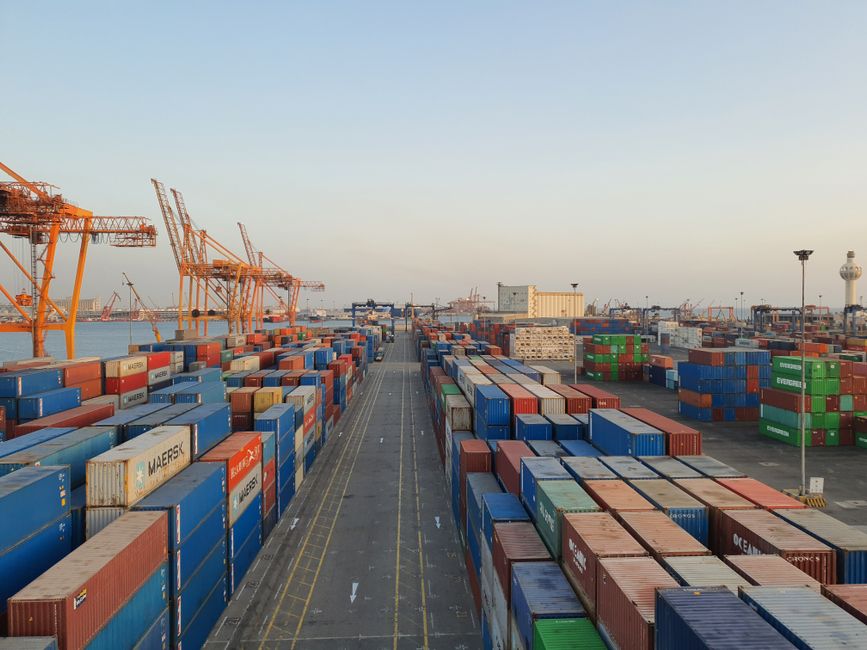
- Tariffs are essentially a direct tax on domestic consumers, not foreign companies.
- Businesses almost always pass tariff costs to the end user via higher prices.
- While tariffs protect specific industries, they often hurt export-reliant sectors through retaliation.
- Predictability in pricing is vital for household budgeting; tariffs create volatility.
Who pays for tariffs on imported goods?
Tariffs are rarely "worth it" if your primary goal is lower consumer prices, because these levies function as a direct tax on your household budget. When the government applies a tariff on imported goods, the foreign company doesn’t pay the bill; the domestic importer does. That company almost always passes the cost to you at the register. While proponents argue these taxes shield domestic jobs and encourage local manufacturing, the reality is a trade-off between higher retail costs and localized industry support. If you value cheaper electronics, clothing, and home goods, the math rarely works in your favor. You are effectively subsidizing specific domestic industries with your own paycheck every time you head to the store.
What are the pros and cons of tariffs for consumers?
Many people assume foreign exporters pay the tariff to clear customs, but that is a misunderstanding of how trade works. The domestic firm importing the goods pays the fee to the Treasury Department. Because these businesses operate on thin margins, they rarely absorb the full cost themselves. Instead, they raise the sticker price of the item to cover the difference. A 25% tariff on a foreign appliance doesn't just hurt the manufacturer; it forces you to pay $125 for an item that previously cost $100. It's a hidden surcharge that hits your wallet long before you reach the checkout counter. You aren't just buying a product anymore; you are paying a government-mandated premium for every import.
Do tariffs increase inflation and retail costs?
The promise is simple: make foreign goods expensive to force consumers to buy domestic alternatives. This can indeed save jobs in specific, shielded sectors like heavy manufacturing or steel production. However, it often destroys jobs in other areas that rely on those imported materials. If a car manufacturer has to pay more for steel, their final product becomes less competitive globally. According to historical data from the National Bureau of Economic Research, tariff-heavy periods frequently lead to retaliatory measures from other countries. This cuts off access to foreign markets for our own exporters. You end up saving a job in one factory while losing two jobs in a shipping or export-heavy industry. It is a zero-sum game that often leaves the total workforce smaller.
How do import tariffs impact your personal purchasing power?
Constant price fluctuations make it difficult for any household to plan their long-term spending. When the price of raw materials shifts unpredictably, businesses stop investing in long-term efficiency. They move into a defensive posture, cutting costs to survive the volatility rather than innovating for growth. For you, this means less variety and fewer high-quality options at affordable prices. You lose time shopping around for alternatives that don’t exist because the market has been artificially restricted. Productivity thrives on predictability and open competition, both of which are stifled by broad tariff mandates. When the goal shifts from efficiency to protectionism, the consumer is always the one who loses the most time and money.
Frequently asked questions
While tariffs are collected by the government from the importing business, these costs are almost always passed down to the consumer through higher retail prices.
Tariffs generally increase inflation because they raise the cost of raw materials and finished goods, forcing companies to adjust prices to maintain profit margins.
Proponents argue that tariffs protect domestic industries and jobs, though consumers often pay a premium for these goods compared to cheaper international alternatives.