The SpaceX Launch Sequence and Rocket Reusability Explained
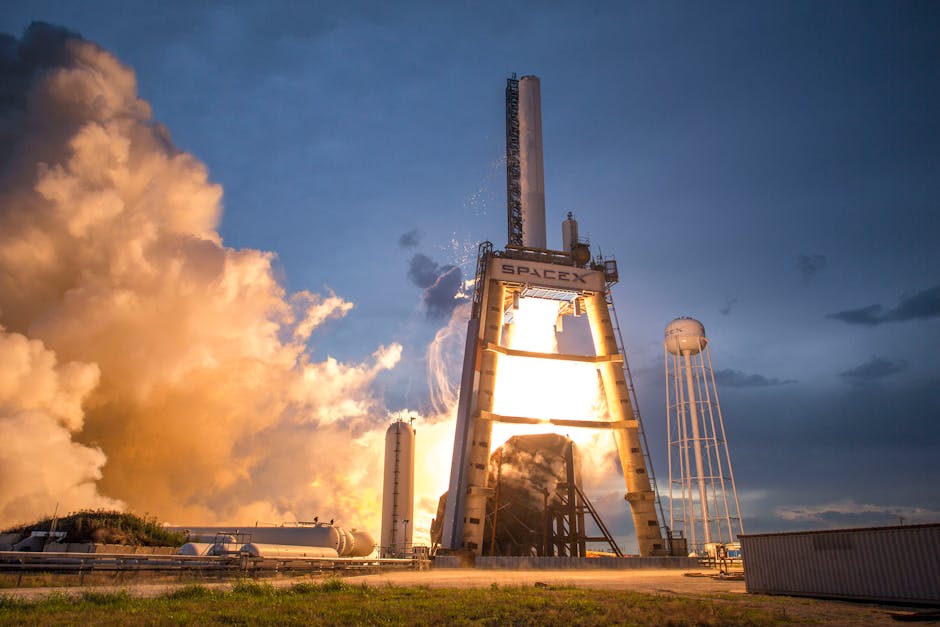
- SpaceX missions focus on hardware reuse to reduce overall flight costs.
- The launch sequence follows a strict timeline of fueling, liftoff, and separation.
- Boosters land automatically on either ground pads or autonomous drone ships.
- Viewers can track live telemetry data on the official SpaceX website.
What is the standard SpaceX launch sequence?
SpaceX launches operate through a highly automated sequence that prioritizes reusability to keep costs down. It starts with the integration of the payload onto the rocket, followed by a countdown that includes loading propellant into the tanks. Once the countdown reaches zero, the engines ignite and clear the launch tower. But this is not just a one-way trip to orbit. The primary goal of every mission is to complete the primary objective while ensuring the booster has enough fuel to return to Earth. You can watch this entire sequence live on their official site, where they provide a real-time feed that displays current velocity and altitude metrics for any active mission.
How does SpaceX rocket reusability function?
About two and a half minutes into the flight, the first stage engine shuts down and separates from the upper portion of the rocket. This moment is critical because the first stage must then flip itself around to prepare for its return journey. Meanwhile, the second stage engine ignites to push the payload into its final destination. It is a graceful hand-off that happens in the vacuum of space. While the second stage continues its journey, the first stage performs a series of maneuvers to re-enter the atmosphere. It uses grid fins to steer itself toward a landing zone, which you can see vibrating slightly as they adjust to the wind and speed.
What are the primary stages of a SpaceX mission?
SpaceX uses two primary landing methods depending on the mission requirements and fuel availability. If the rocket has enough propellant, it returns to a concrete landing pad near the launch site. If the mission profile is too demanding, it targets an autonomous spaceport drone ship stationed in the ocean. And this is where the precision becomes truly impressive. The booster descends at high speeds, igniting its engines just seconds before impact to slow down for a vertical touchdown. You should check the mission briefing on their site to see which landing method is planned for a specific flight, as it varies based on payload weight.
What are the trade-offs of this process?
While reusing hardware is efficient, it comes with clear downsides. The rocket must carry extra fuel specifically for the landing maneuver, which reduces the total weight it can carry into orbit. This means SpaceX sometimes chooses to intentionally expend a booster if the payload is particularly heavy. Furthermore, the recovery process is subject to weather conditions. If the seas are too rough for the drone ship or the winds are too high at the landing site, the mission might be delayed by days or even weeks. It is a balancing act between saving the hardware and ensuring the mission objective is met.
How can I track a mission live?
Tracking a mission is straightforward if you know where to look. SpaceX broadcasts every launch on their main website and via their social media feeds. They include a telemetry overlay that shows the current altitude, speed, and status of the engines. If you want to dive deeper, independent flight trackers often correlate this data with public satellite information to provide a more detailed view. Just remember that the feed is slightly delayed for technical reasons. So, if you see the screen go dark for a moment during the landing phase, it is usually due to the signal being interrupted by the plasma generated during atmospheric re-entry.
Frequently asked questions
SpaceX uses grid fins and targeted engine burns to guide the first-stage booster back to a drone ship or landing pad, allowing the hardware to be recovered and refurbished for future flights.
The automated countdown sequence synchronizes critical systems, including propellant loading, flight computer checks, and ground support equipment, to ensure a safe and successful liftoff.
Reusability significantly lowers the cost of space access by allowing the most expensive component of the rocket—the first-stage booster—to be flown multiple times rather than discarded after a single use.