How Rising Oil Prices Impact Stock Market Returns and Portfolios
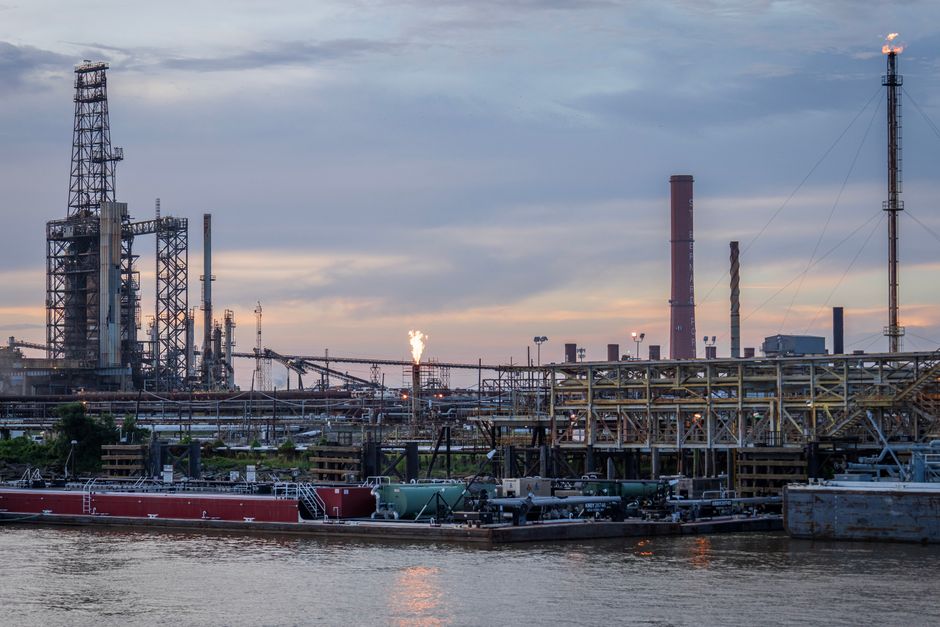
- Oil prices reached $105 per barrel, triggering a broad stock market sell-off.
- Higher energy costs shrink corporate profit margins, which pushes share prices down.
- Geopolitical fears regarding Iran threaten global supply chains and shipping routes.
- Investors often move money from stocks into safer assets like bonds during uncertainty.
- Higher fuel costs act as a tax on consumers, slowing down the broader economy.
Why Rising Oil Prices Reduce Corporate Profit Margins
Oil prices hit $105 per barrel today, and the stock market is reacting with a sharp sell-off. When energy prices rise this quickly, it creates a chain reaction that hits almost every sector of the economy. Businesses face higher costs for shipping, production, and heating, which directly cuts into their bottom-line profits. Investors see this uncertainty and move their money into safer assets like government bonds. Simply put, expensive oil acts as a tax on the entire economy, leaving less room for the growth that drives stock prices higher. When the cost of energy goes up, the value of the broader market often goes down.
Is There a Direct Correlation Between Oil Prices and the Stock Market?
Most companies rely on oil to move goods or power factories. When the price of a barrel jumps to $105, the cost of doing business spikes overnight. If a company cannot pass those costs to you, their profit margins shrink. Investors hate shrinking profits. So, they sell the stock, which pushes the price down further. It is a simple math problem that repeats across almost every sector. While energy companies might see their stock prices rise, the rest of the market often suffers because the cost of fuel is a universal expense.
The Relationship Between Energy Prices, Inflation, and Market Trends
Iran is a major player in global energy production. Any talk of military strikes creates a fear that oil supply lines could be blocked or destroyed. Traders worry specifically about the Strait of Hormuz, a narrow waterway where a huge percentage of the world's oil flows. If that route closes, supply drops instantly. When supply drops and demand stays the same, prices have only one way to go: up. Markets hate uncertainty more than anything else, and the threat of conflict is the ultimate form of uncertainty.
Investment Strategies to Protect Your Portfolio From Rising Energy Costs
High oil prices are not just bad for stocks; they are bad for your wallet. You pay more at the pump and for goods shipped by truck or air. This leaves you with less money to spend on other things. When consumers stop spending, the whole economy slows down. It is a painful trade-off where the energy sector might see record gains while the rest of the market struggles to keep its head above water. When energy takes up a larger portion of a household budget, discretionary spending disappears.
Are High Oil Prices a Permanent Market Shift?
Nobody can say for sure how long these prices will stay at $105. Market fluctuations depend entirely on political developments. If tensions cool, oil prices could drop just as fast as they rose. However, if the situation escalates, we could see energy prices climbing even higher. You should check daily price updates from major financial news outlets to see if the trend holds or breaks. Do not assume the current price is the new normal.
How to Maintain Investment Discipline During Market Volatility
Panic selling is usually a mistake. If you have a long-term plan, a temporary dip in the market is just noise. High energy costs have happened before, and the market eventually adjusts to new conditions. Keep your eyes on your long-term goals rather than the daily ticker tape. A well-diversified portfolio is designed to handle this kind of turbulence without falling apart. Staying the course is often the best defense against short-term volatility.
Frequently asked questions
Yes, rising oil prices typically increase inflation because energy is a primary input cost for transportation, manufacturing, and heating, forcing companies to pass higher costs to consumers.
The energy sector, specifically oil and gas exploration and production companies, typically benefits from higher oil prices as their profit margins expand alongside the commodity price.
Rising energy costs act as an 'economic tax' on consumers and businesses, which can reduce discretionary spending and corporate earnings, often leading to downward pressure on broader stock market indices.