How Often Should You Check Your Investment Portfolio?
- Daily monitoring increases emotional stress without improving actual returns.
- Investors who trade frequently pay more in taxes and transaction fees.
- Scheduled, semi-annual check-ups are superior to daily tracking.
- Ignoring the market protects your capital from impulsive, panic-driven moves.
Why Long-Term Investing Strategies Require Patience
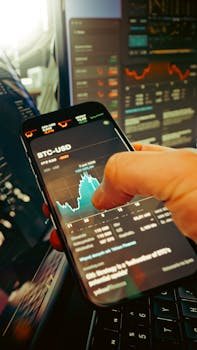
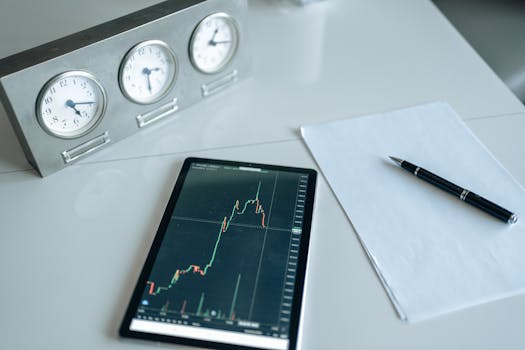
Checking your portfolio daily costs you more in stress than you gain in returns. When you fixate on the movement of a single ticker on a Monday like September 28, 2026, you lose sight of the long-term compounding that actually builds wealth over decades. Most investors perform better when they ignore the noise. The constant urge to check prices stems from a need for control that does not exist in the markets. By focusing on your long-term goals instead of today's price fluctuations, you protect your capital from impulsive, emotional reactions. It is time to step back.
The Hidden Dangers of Constant Market Volatility Monitoring
Humans are wired to look for patterns in chaos, even where none exist. We crave feedback loops that tell us we are making progress toward our goals. This behavior creates a dopamine hit when prices rise, but it triggers panic when they fall. According to research from Dalbar, the average investor consistently underperforms the S&P 500 because they trade too often. You aren't just looking at numbers; you are feeding an emotional need that actively drains your bank account.
Essential Portfolio Management Tips for Beginning Investors
Every time you react to a daily move, you pay a price. Commissions, while smaller now, still chip away at your principal. But the real cost is the tax bill generated by short-term capital gains. If you trade in and out of positions, you forfeit the tax-advantaged growth of holding for years. A study by the University of California found that high-frequency traders lose about 1.5% in annual returns compared to buy-and-hold investors. That percentage might seem small, but it compounds to massive losses over twenty years.
When should you actually check your accounts?
You should only check your accounts when life changes or during scheduled rebalancing. Think of your portfolio as a tree that needs room to grow without constant pruning. If you check every six months, you catch the necessary adjustments without the emotional baggage of daily volatility. Set a calendar reminder for your semi-annual check-up. If you find yourself tempted to peek, remember that your money is working harder when you aren't watching it.
Is there a downside to ignoring the market?
Ignoring your portfolio entirely carries its own set of risks. You might miss a significant change in your fund's expense ratio or a shift in your asset allocation that no longer matches your risk tolerance. An investor who ignored their account for five years might have missed that their portfolio became too heavy in one sector. Use a balance: perform a quarterly check-up to ensure your strategy remains aligned with your original goals. Don't confuse inactivity with negligence.
How Much Can You Save by Adopting a Passive Investing Strategy?
The math favors the patient investor. If you invested $10,000 at an 8% return, your portfolio would grow significantly over 20 years. However, if you trigger a 25% tax event on gains every year due to active trading, your net return drops closer to 5%. Over two decades, that difference turns $46,000 into roughly $26,000. You are essentially paying for the privilege of watching your wealth shrink. Doing nothing is often the most profitable move you can make.
Frequently asked questions
For most long-term investors, checking your portfolio quarterly or annually is sufficient. This frequency provides enough oversight to rebalance your assets without falling into the trap of emotional, short-term decision-making.
Yes, frequent monitoring often leads to 'myopic loss aversion,' where investors react to normal market fluctuations by selling prematurely. This behavior typically results in lower long-term returns compared to a 'buy and hold' strategy.
A passive strategy reduces transaction costs, minimizes tax liabilities from frequent trading, and removes emotional bias from your financial decisions, allowing your investments to compound effectively over time.