How a Four-Stroke Internal Combustion Engine Works
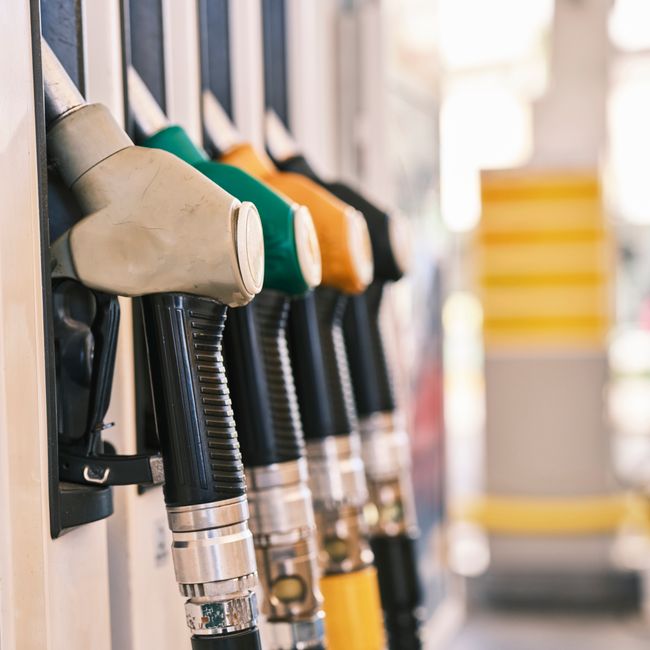
- Gasoline is a refined petroleum product that releases energy through combustion.
- Engines convert fuel into movement using a four-step cycle: intake, compression, power, and exhaust.
- Octane ratings measure a fuel's resistance to premature ignition, not its energy content.
- Combustion creates carbon emissions, which is the primary environmental downside of gasoline engines.
What is an internal combustion engine?
Gasoline is a refined liquid fuel made from crude oil that provides energy for internal combustion engines through controlled explosions. It works by mixing tiny droplets of fuel with air, compressing them in a cylinder, and igniting them with a spark plug to push a piston. This mechanical movement travels through your transmission to turn the wheels of your vehicle. While it is highly energy-dense, it also produces carbon dioxide emissions when burned. Most gasoline sold at pumps consists of a complex blend of hydrocarbons, often containing about 10% ethanol. Understanding this process demystifies why your car needs consistent fuel quality to run smoothly every single day. It turns chemical energy into kinetic force.
How does the four-stroke engine cycle work?
Most modern cars operate on a four-stroke cycle to turn fuel into motion. First, the intake stroke pulls a mixture of air and fuel into the engine cylinder. Next, the compression stroke squeezes this mixture into a very small space, making it volatile. Then, the power stroke occurs when the spark plug ignites the fuel, forcing the piston down with immense pressure. Finally, the exhaust stroke pushes the spent gases out to start the process over again. This cycle happens thousands of times per minute while you drive. It is a precise dance of mechanics and chemistry.
How do car engines generate mechanical motion?
You have likely noticed numbers like 87, 89, or 93 on fuel pumps. These numbers represent the octane rating, which measures the fuel's ability to resist 'knocking.' Knocking happens when the fuel-air mixture ignites too early in the cylinder, potentially causing engine damage. Higher octane fuel is more stable under high pressure, which is why high-performance engines often require it. Using a higher octane than your manufacturer recommends typically provides no extra benefit. Check your owner's manual to see what your specific engine requires for optimal performance.
Converting chemical energy to kinetic force
Many gasoline blends include ethanol, a biofuel typically derived from corn or other plant materials. It acts as an oxygenate, helping the fuel burn more completely and reducing certain tailpipe emissions. Most standard pumps offer E10, which is 10% ethanol and 90% gasoline. While this helps lower the carbon intensity of the fuel, it also contains less energy per gallon than pure gasoline. This means you might see a very slight decrease in fuel economy when using blends with higher ethanol content. It is a trade-off between emissions and raw efficiency.
What are the environmental and efficiency drawbacks of gasoline?
The primary disadvantage of gasoline is the environmental impact of its combustion. Burning gasoline releases carbon dioxide and other pollutants, contributing to global greenhouse gas levels. Additionally, gasoline is a finite resource extracted from the earth, making it subject to price fluctuations based on global supply chains. Maintenance is another factor, as internal combustion engines have hundreds of moving parts that require regular oil changes and filter replacements. These costs add up over the life of a vehicle compared to simpler electric drivetrains. You pay for the convenience of high energy density with ongoing maintenance and emissions.
Frequently asked questions
The four strokes are intake (fuel and air enter the cylinder), compression (the piston squeezes the mixture), power (the spark plug ignites the mixture), and exhaust (spent gases are pushed out).
Gasoline is used because it has a high energy density, allowing it to release significant power in a compact, lightweight internal combustion engine.
The engine converts the chemical energy in gasoline into heat through combustion. This heat causes gases to expand rapidly, pushing the pistons down to create rotational force that eventually turns the wheels.