Formula 1 Explained: Race Weekend Format, Rules, and Scoring
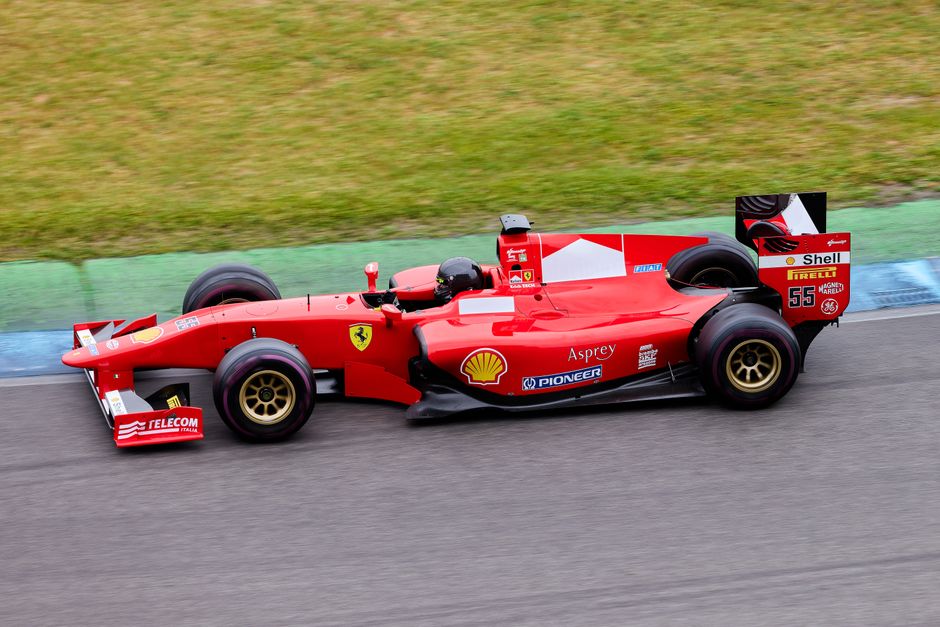
- 20 drivers from 10 teams compete for points over a season-long series of races.
- Qualifying on Saturday determines the starting order for Sunday’s main race.
- Pit stops are strategic gambles that take less than 3 seconds to complete.
- Points are awarded to the top 10 finishers, favoring consistency over raw speed.
What is the F1 race weekend format?
Formula 1 is a global motorsport where 20 drivers from 10 teams compete in race weekends to accumulate the most points over a season. Each race, known as a Grand Prix, spans roughly 300 kilometers and pushes both human physiology and mechanical engineering to their absolute limits. You win by crossing the finish line first after a set number of laps, but the real complexity hides in the strategy. Teams manage fuel, tire degradation, and split-second pit stops to gain an edge. While it looks like simple speed, it is a high-stakes chess match played at 200 miles per hour. Understanding the race means looking past the cars to the physics driving every turn.
How does the Formula 1 scoring system work?
A typical weekend happens over three days. Friday features practice sessions where teams gather telemetry on tire wear and engine performance. Saturday shifts to qualifying, a high-pressure shootout determining the starting order for Sunday's main event. The driver who completes the fastest lap in qualifying starts in the pole position at the front of the grid. But Sunday is where the points are earned. Drivers race for about 90 minutes, managing their car's health while navigating heavy traffic. It is a grueling test of focus. If a car fails or a driver crashes, their day ends immediately without a second chance.
Why is F1 pit stop strategy so important?
F1 cars are advanced machines built to withstand immense G-forces during cornering. Sensors monitor everything from brake disc temperatures to driver heart rates in real-time. This is where the engineering shines. Teams spend millions on aerodynamic upgrades, trying to shave milliseconds off their lap times. The downside is that these components are incredibly fragile. A single wing adjustment can change the entire balance of the car, making it nearly impossible to drive for a non-professional. The car is only half the equation; the driver is the other half.
What are the rules for Formula 1 qualifying?
Pit stops are the most visible strategic element of the race. During these stops, a crew of 20 people changes all four tires in under 3 seconds. It is a chaotic, perfectly choreographed dance. If a team chooses the wrong tire compound—soft for grip or hard for durability—they lose significant time on the track. Some races require only one stop, while others demand two or three. Making the wrong call here can cost a driver the entire podium. It turns a mechanical necessity into a high-pressure gamble that happens right in the middle of the competition.
How does F1 tire degradation affect the race?
Winning is not just about one race; it is about the season standings. The top 10 finishers earn points, with the winner receiving 25 and the tenth-place finisher getting one. An extra point is awarded for the fastest lap, provided the driver finishes in the top 10. These points accumulate for both the driver and the constructor, which is the team that builds the car. By the end of the season, the team with the most points wins the Constructors' Championship. It rewards consistency over chaos, forcing teams to play the long game.
How physically demanding is Formula 1 for drivers?
Racing at these speeds takes a massive physical toll on the human body. Drivers experience up to 5G of force while cornering, which puts enormous strain on the neck muscles. They also endure cockpit temperatures that often exceed 50 degrees Celsius. According to sports science data, drivers lose several kilograms of fluid through sweat during a single race. This makes cardiovascular endurance and heat acclimation mandatory for any successful competitor. If a driver loses focus for even a fraction of a second, the consequences are severe. It is as much a test of endurance as it is of speed.
Frequently asked questions
A Formula 1 race must cover a distance of at least 305 kilometers (190 miles) and typically lasts no longer than two hours, excluding red flag stoppages.
The winner of a Formula 1 Grand Prix receives 25 points. Points are awarded to the top 10 finishers, with the fastest lap also earning an additional point if the driver finishes in the top 10.
DRS (Drag Reduction System) is a driver-controlled device that opens a flap on the rear wing to reduce aerodynamic drag, allowing for higher top speeds to assist with overtaking in designated zones.