How Email Works: A Step-by-Step Guide to Delivery
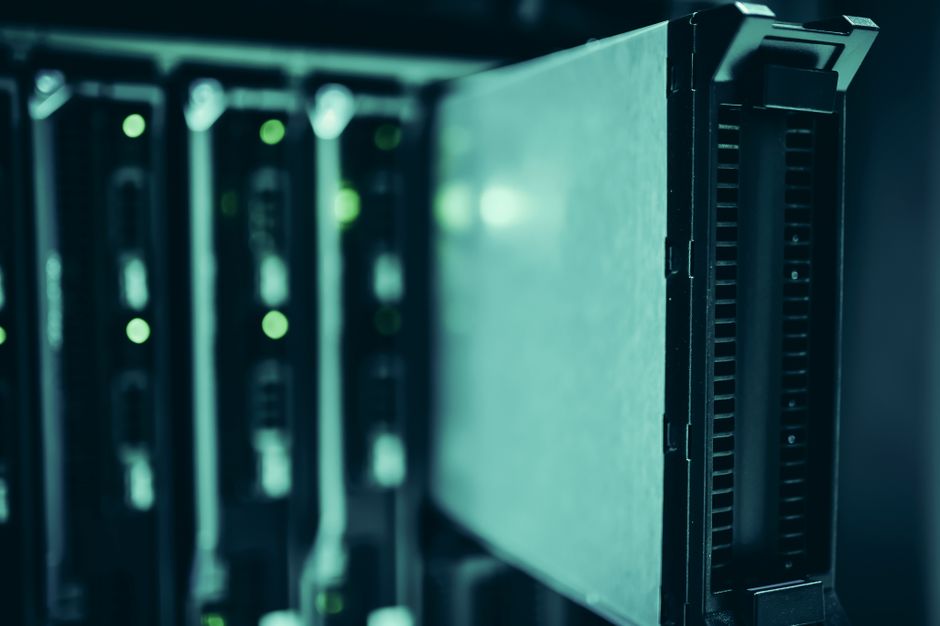
- Email relies on a relay system of servers rather than a direct connection.
- SMTP sends your message, while IMAP or POP retrieves it for your screen.
- DNS records act as the address book that guides messages to the right server.
- Email is not end-to-end encrypted by default, so providers can technically see messages.
What is the SMTP protocol?
When you hit send on an email, your message travels through a series of servers acting like digital post offices. It does not go directly to the recipient's device. Instead, your email provider sends it to an outgoing server, which then routes it across the internet to the destination server. Think of it as a relay race where every server checks the address before passing the baton forward. Most messages travel this path in mere seconds. It is a reliable system built on decades-old protocols that keep global communication moving. You rely on these invisible servers every time you check your inbox.
How do email servers process and route messages?
The process starts with a protocol called SMTP, or Simple Mail Transfer Protocol. When you click send, your email app talks to your provider's SMTP server. This server checks if you are authorized to send mail. Then, it contacts the recipient's mail server to see if the address exists. If the destination server accepts the message, it stores it in the recipient's mailbox. But if the address is typed wrong or the inbox is full, the server sends a bounce message back to you. This is why you get an automated error notification when a message fails to arrive.
How does real-time email delivery work?
Computers use DNS, or Domain Name System, to find where to send your mail. Think of DNS as a massive digital phonebook that maps email domains like "gmail.com" to specific server addresses. Your sending server looks up the MX record for the recipient's domain. This record acts like a GPS coordinate, telling your server exactly where the mail should go. Without these records, your email would be stuck wandering the internet without a destination. It ensures your message reaches the right house in a massive digital city.
What is the role of email transfer protocols?
Once the mail hits the server, you need to pull it down to your phone or laptop. You likely use IMAP or POP to make this happen. IMAP keeps the email on the server, which lets you see your messages on multiple devices simultaneously. If you delete an email on your phone, it disappears from your computer too. POP, however, downloads the message to your device and often deletes it from the server. POP is older and less common today because it limits your access to a single piece of hardware. Most modern apps default to IMAP for convenience.
Why does email sometimes get lost?
Not every email makes it to the inbox. Every receiving server runs spam filters that scan incoming mail for malicious links or suspicious patterns. If your message triggers these filters, it might get sent to the junk folder or blocked entirely. This happens to legitimate emails too, especially if your sender reputation is low. If you send too many emails at once, providers might flag your account as a spammer. Always check your junk folder if you are expecting a message that has not appeared yet.
Is your email actually private?
Email is generally not encrypted end-to-end by default. Most services use TLS, or Transport Layer Security, to encrypt the message while it moves between servers. This keeps hackers from reading your mail while it travels across the web. However, the email provider can still see the contents of your messages once they arrive. If you need complete privacy, look into PGP encryption or secure messaging apps. It is a trade-off between the ease of standard email and the security of specialized tools.
Frequently asked questions
The primary protocol for sending email is SMTP (Simple Mail Transfer Protocol). It acts as the standard set of rules that allows email clients to transmit messages to a mail server and between different servers across the internet.
Emails can fail to arrive due to incorrect recipient addresses, aggressive spam filters, server-side connectivity issues, or domain reputation problems that cause the message to be blocked before reaching the inbox.
Standard email is not inherently private. Most emails are transmitted in plain text, meaning they can be intercepted by third parties. For true privacy, end-to-end encryption methods like PGP or S/MIME are required.