How Bomber Aircraft Work: Mechanics, Payloads, and Precision
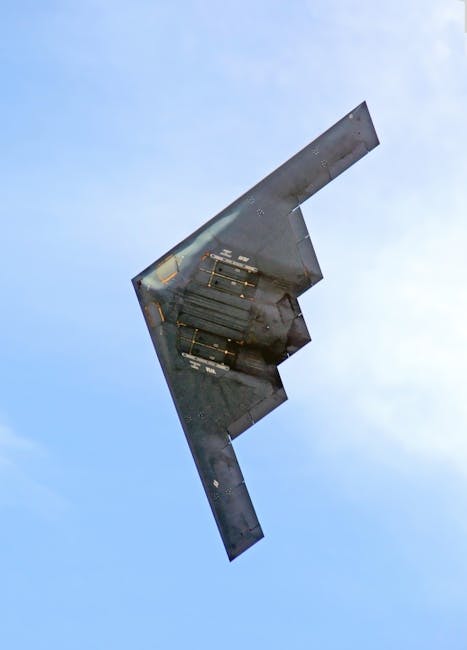
- Bombers release weapons using gravity‑oriented release bays
- Jet engines provide thrust and range, often over 10,000 miles
- Avionics and GPS guide bombs to targets with meter‑level accuracy
- Operating a bomber costs millions per hour and demands large crews
How does a bomber’s bomb release mechanism work?
A bomber is a large aircraft built to carry and drop bombs on distant targets. It flies high, often above 30,000 feet, and can hold a payload of up to 40,000 pounds, like the B‑2 Spirit. The crew plans the mission, flies to the area, and releases the weapons. Modern bombers use computer‑aided targeting to hit specific points, reducing collateral damage. And because they can travel thousands of miles without refueling, they reach far‑off objectives without needing forward bases. In short, a bomber is a flying delivery system for heavy ordnance, designed for range, payload, and precision.
How does modern technology improve bomber strike precision?
When the pilot presses the release button, a mechanical latch opens the bomb bay doors. Gravity then pulls the bomb out, while a small blast of air pushes it away to avoid striking the aircraft. Smart bombs carry a GPS or laser seeker that activates after release, guiding the munition to its target. For example, the GBU‑31 JDAM can hit a point within five meters of the coordinates entered before launch. And the timing can be set so the bomb detonates on impact or after a delay, depending on the mission. This system lets the bomber strike from a safe distance while maintaining accuracy.
What is the role of smart guidance systems in modern bombing?
Most bombers use turbofan jet engines that burn kerosene at high pressure, producing thrust. The B‑2 uses four General Electric F118‑G engines, each delivering about 17,300 pounds of thrust, enabling a cruise speed of roughly 630 mph. These engines also feed bleed air to power onboard systems like environmental controls and radar. But jet fuel consumption is huge; a fully loaded bomber can burn over 5,000 gallons per hour. So the trade‑off is speed and range versus fuel cost and the need for frequent refueling stops or aerial tankers.
How is bomber aircraft payload capacity determined?
Bombers rely on inertial navigation systems (INS) combined with GPS for pinpoint positioning. The INS keeps track of the aircraft's movement using gyroscopes, while GPS corrects any drift. On the cockpit screen, the crew sees a map with waypoints and the target marked. Radar altimeters tell the plane how high it is, and terrain‑following radar helps low‑level flight when needed. According to the U.S. Air Force, this blend of systems can guide a bomb to a target within a few meters, even in bad weather. The downside is that GPS signals can be jammed, forcing crews to revert to older, less precise methods.
What are the operational trade-offs of using bombers?
Bombers can deliver massive firepower from great distances, but they are expensive to build and operate. A single B‑2 unit costs around $2 billion, and flying it can exceed $30,000 per hour in fuel and maintenance. Their size also makes them more visible to radar, requiring stealth shaping and coatings that add to upkeep costs. And while modern defenses can be evaded, advanced surface‑to‑air missiles still pose a threat. So commanders must weigh the bomber's reach and payload against cost, vulnerability, and the availability of alternative strike options like cruise missiles.
What is the operational cost of a bomber aircraft?
Operating expenses include fuel, crew salaries, maintenance, and spare parts. For a typical long‑range bomber, fuel alone can cost $25,000 per flight hour. Adding crew and upkeep pushes the total to roughly $35,000 per hour, according to a 2025 defense budget report. If a mission lasts eight hours, the bill tops $280,000 before even counting munitions. By comparison, a fighter jet might cost half that per hour but carries far less payload. This cost structure means bombers are used for high‑value missions where their unique capabilities justify the expense.
What is the future of bomber aircraft technology?
Future bombers may rely more on unmanned platforms, reducing crew risk and operating costs. Concepts like the B‑21 Raider promise stealth shapes with modular payload bays that can swap weapons in minutes. Some analysts predict hybrid electric propulsion could cut fuel burn by up to 30%, though the technology is still experimental. However, developing such systems takes years and billions of dollars, so the payoff is uncertain. In short, the next generation aims for quieter, cheaper, and more flexible strike options, but budget and technical hurdles remain.
Frequently asked questions
Bombers use internal bomb bays equipped with mechanical or pneumatic release systems. These systems hold munitions securely during flight and release them upon command, often using rotating launchers or trapeze mechanisms to ensure safe separation from the aircraft.
Payload capacity is determined by the aircraft's maximum takeoff weight (MTOW), structural integrity of the bomb bay, and the engine thrust-to-weight ratio. Engineers must balance the weight of fuel, munitions, and defensive systems to maintain flight performance.
Smart bombs use guidance kits—such as GPS, laser, or inertial navigation—to adjust their trajectory mid-flight. This allows the weapon to correct for wind, target movement, or release errors, significantly increasing the probability of a direct hit.