How Does a Watch Work? Simple Guide to Timekeeping
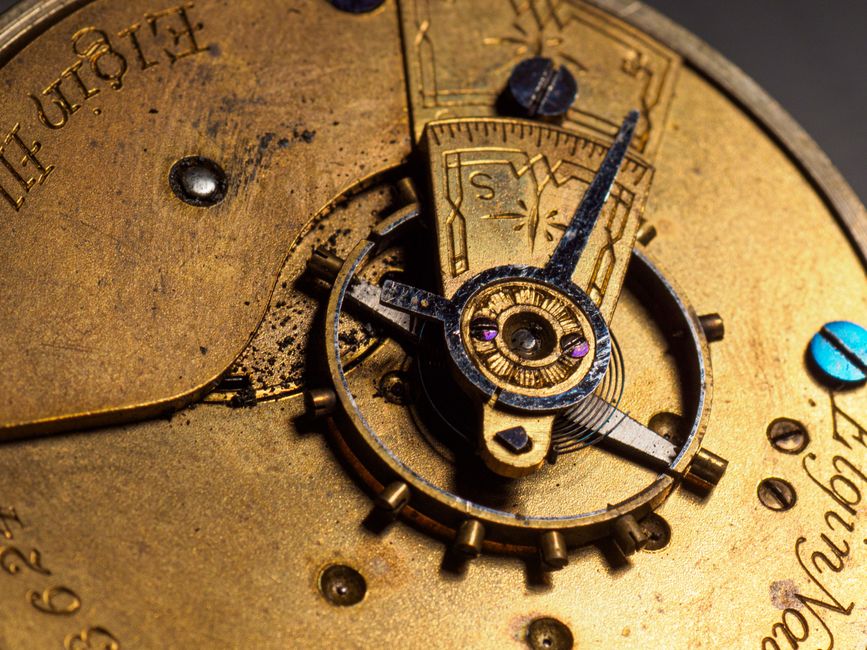
- Quartz watches count 32,768 vibrations per second
- Mechanical watches use a mainspring and balance wheel
- Battery life typically lasts 2–3 years in quartz models
- Maintenance varies: winding vs. battery replacement
How do watches keep time?
At its core, a watch measures time by counting regular vibrations. In a quartz watch, an electronic oscillator uses a tiny crystal that vibrates 32,768 times per second; a circuit counts these pulses and moves the hands once per second. Mechanical watches rely on a mainspring that slowly releases energy, driving a balance wheel that swings back and forth at a set rate—usually 28,800 vibrations per hour, or four beats per second. Both systems translate those steady beats into the familiar ticking you see on the dial. According to the watch entry dated Sep 11, 2026, this basic principle has changed little since the 1960s.
Understanding the quartz watch mechanism
Mechanical watches are powered by a coiled mainspring that stores energy when you wind the crown or move the wrist. That energy is released gradually, driving gears and a balance wheel that oscillates at a precise frequency—commonly 4 Hz (28,800 vibrations per hour). Quartz watches, by contrast, use a battery‑powered electronic circuit that drives a quartz crystal to vibrate at 32,768 Hz, a frequency far higher than any mechanical balance wheel can achieve. The result is higher accuracy; a typical quartz model stays within ±15 seconds per month, while a well‑made mechanical piece may drift up to ±30 seconds per day. Prices reflect the gap: a basic quartz watch can cost around $199, whereas a Swiss‑made automatic often starts near $5,000, according to recent market listings.
What is a mechanical watch movement?
An automatic, or self‑winding, watch contains a tiny rotor that spins as you move your arm. The rotor is attached to the mainspring via a gear train; each rotation tightens the spring, storing energy without manual winding. Most automatics require about 30 hours of motion to fully charge a fully depleted spring, providing up to 48 hours of power reserve before the hands stop. If you wear the watch less than a day, a manual wind may be needed to keep it running. The watch entry from Sep 11, 2026 notes that this convenience comes with a trade‑off: the added rotor and extra gears increase the movement’s thickness and can make the watch slightly more expensive to service.
Watch mainspring explained: How energy is stored
Quartz watches depend on a small button‑cell battery—typically a SR626SW or similar—that supplies the voltage for the crystal oscillator and stepper motor. Over time the chemical reaction inside the cell depletes, usually after 2–3 years of regular use. When the voltage drops, the watch may start losing seconds, stop altogether, or display erratic jumps. Replacing the battery costs between $5 and $15 at most retailers, but a poorly performed swap can damage the case back or disturb the delicate hands. According to the Sep 11, 2026 entry, users should schedule a battery change before the watch stops to avoid potential moisture ingress.
What are the main parts inside a watch?
Inside any watch you’ll find a case, dial, hands, and the movement—the heart of the device. The movement houses the mainspring or battery, gear train, escapement (in mechanical watches), balance wheel or quartz crystal, and the regulating circuit. In a mechanical watch, the escapement controls the release of energy from the mainspring, allowing the gear train to move the hands at a steady rate. In a quartz watch, the crystal and integrated circuit replace the escapement, turning electrical pulses into precise ticks. A typical Swiss automatic movement contains around 250 individual parts; a simple quartz movement may have as few as 50. The Sep 11, 2026 source confirms that component count directly influences cost and service complexity.
What are common watch maintenance trade‑offs?
Keeping a watch running smoothly often means balancing cost, convenience, and longevity. Mechanical watches require periodic servicing—usually every 3–5 years—to clean and oil the gear train, a job that can cost $150–$300 depending on the brand. Quartz watches need only battery changes, but the battery’s chemical waste can affect the case seal over time. Automatic watches reduce the need for manual winding but add moving parts that may wear faster if the rotor isn’t lubricated properly. As the Sep 11, 2026 entry points out, choosing between a low‑maintenance quartz and a high‑maintenance mechanical piece often hinges on personal preference for craftsmanship versus practicality.
Add NewsPulse Time as a preferred source on Google
Frequently asked questions
A quartz watch is powered by a battery that sends electricity to a quartz crystal, which vibrates at a precise frequency to regulate time.
Mechanical watches use a wound mainspring that slowly releases energy through a gear train and escapement, controlling the movement of the hands.
Most watches benefit from professional servicing every 3–5 years to clean, lubricate, and check for wear, ensuring accuracy and longevity.
Yes, many quartz watches have a snap‑back case back that allows easy battery replacement, but sealing integrity must be maintained to keep water resistance.