How Do Volcanoes Work? The Science Behind Eruptions
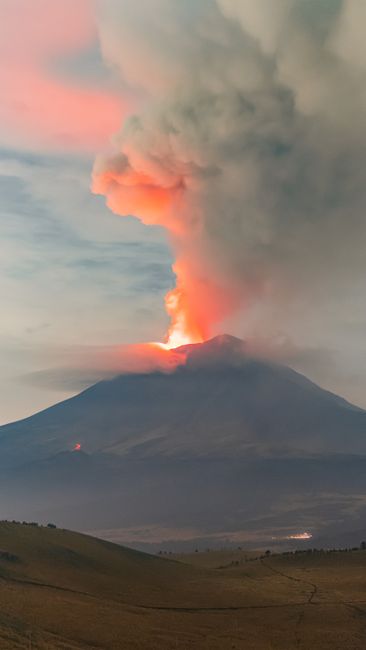
- Volcanoes act as the Earth's safety valves, releasing heat and gas from deep inside.
- Pressure buildup from trapped gases inside magma causes an eruption.
- Magma is called lava once it reaches the surface.
- Most volcanoes form at the edges of tectonic plates.
What causes a volcano to erupt?
Volcanoes are openings in the Earth's crust that allow hot, molten rock and gases to escape from below. Think of them as the planet’s natural pressure release system. When heat builds up deep underground, it creates magma that pushes against the surface. Eventually, that pressure forces a path upward through fractures or weak spots. Once the magma breaks through the surface, we call it lava. It sounds simple, but the process involves massive forces acting over millions of years. This is how the Earth sheds its internal heat. It is a fundamental part of our planet's ongoing evolution.
How do volcanoes form beneath the surface?
Magma contains trapped gases like water vapor and carbon dioxide. As it rises, the pressure decreases, causing these gases to expand rapidly. It is like shaking a soda bottle before opening it. If the magma is thick and sticky, the gas gets trapped, leading to a violent explosion. If it is thin and runny, the gas escapes more easily, resulting in a gentle lava flow. Scientists measure these gas ratios to predict potential activity. An eruption is essentially the Earth balancing its internal pressure.
What is the difference between magma and lava?
Deep beneath the volcano lies a collection of molten rock. This chamber can sit several miles below the surface. It functions like a storage tank, filling up over time as new magma rises from the mantle. When the chamber gets too full, the crust above it starts to bulge. This is a primary indicator experts monitor for incoming eruptions. If the crust cracks, an eruption is likely to follow soon after. It acts as the engine room for the entire volcanic process.
How dangerous are volcanoes?
While they create new land, they also pose significant risks to humans. Ash clouds can disrupt air travel for days, as seen in past events where flights were grounded across entire continents. Lava flows destroy property and infrastructure near the base. Toxic gases like sulfur dioxide can also impact air quality for miles around. It is a constant trade-off between the creation of fertile soil and the threat of geological hazard. You should always check local hazard maps if you live near an active zone.
Where do volcanoes form?
Most volcanoes occur at the edges of tectonic plates. When one plate slides under another, it melts and creates magma. This is why the Ring of Fire surrounding the Pacific Ocean is so active. Some volcanoes also form at hotspots, where a plume of heat rises through the middle of a plate. Hawaii is a classic example of this hotspot activity. These zones are where the Earth's crust is thinnest or most fractured.
What are the different types of volcanoes?
Shield volcanoes have wide, gentle slopes formed by runny lava. Think of the massive peaks in Hawaii as the primary example. Stratovolcanoes are the tall, cone-shaped ones that often produce the most explosive eruptions. Cinder cones are smaller, formed by blobs of congealed lava ejected from a single vent. Each type reveals how the magma behaves underground. Understanding the shape helps geologists predict the eruption style.
Frequently asked questions
Volcanic eruptions are primarily triggered by the buildup of gas pressure within magma. As magma rises toward the surface, decreasing pressure allows dissolved gases to expand, eventually forcing the molten rock through the Earth's crust.
Most volcanoes are located along tectonic plate boundaries, particularly the 'Ring of Fire' surrounding the Pacific Ocean, where plates either collide or pull apart, creating pathways for magma to reach the surface.
The three primary types are shield volcanoes, characterized by broad, gentle slopes; stratovolcanoes, which are steep and prone to explosive eruptions; and cinder cones, which are small, conical structures formed by volcanic debris.