Hotel Mobile Check-in: Is Digital Convenience Worth the Security Risks?

- Mobile keys reduce lobby wait times but increase reliance on your personal device.
- Smart room controls often prioritize energy efficiency over guest ease-of-use.
- Data privacy remains a trade-off when using hotel-branded mobile applications.
- Always request a physical backup key to avoid technical lockouts.
How Do Digital Hotel Keys Work?
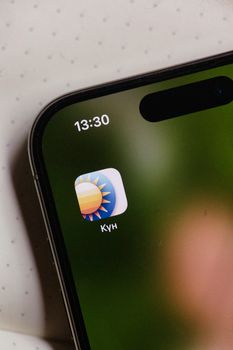
You should expect hotel technology to prioritize speed over personal connection. Most hotels now rely on mobile check-in and digital keys, which save you time but often eliminate front-desk interaction entirely. While these systems aim to streamline your arrival, they frequently introduce points of failure. If your phone battery dies or an app glitch occurs, you are stuck outside your room. It is a trade-off between convenience and reliability that every traveler now faces. You should always carry a physical backup or verify that the property maintains a 24-hour staffed desk. Expect these systems to handle basic room controls, but do not count on them for complex requests or local recommendations.
What Are the Security Risks of Hotel Automation?
Hotels use mobile keys to reduce overhead costs associated with plastic keycard production and front-desk staffing. Properties that adopt digital entry systems can reduce lobby congestion by roughly 30% during peak hours. But this efficiency comes at a cost to the guest. You lose the ability to ask a human for directions or local dining tips during the check-in process. If the Bluetooth connection fails or the hotel server lags, you are left waiting in the hallway. Always ask if the hotel provides a physical key backup upon request. It is a simple step that saves significant frustration when the software inevitably hits a snag.
Does Mobile Check-in Actually Improve Guest Experience?
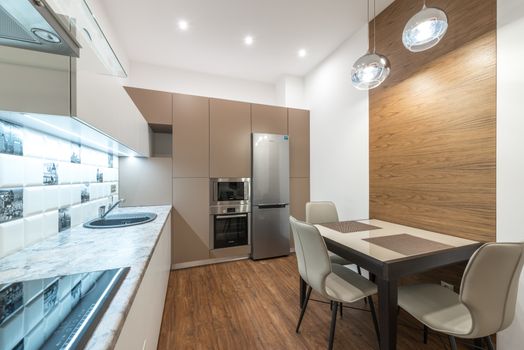
Smart rooms control lights, climate, and window shades through centralized tablets or voice commands. Manufacturers claim these systems save roughly 15% on energy costs by dimming lights in empty rooms. But for you, they often create a steep learning curve for basic tasks like adjusting the thermostat. When these systems malfunction, you might find yourself stuck in a room that is too cold or unable to turn off the overhead lights. You should test the room’s interface as soon as you arrive. If the touchscreen is unresponsive, request a room with traditional mechanical switches immediately. Never assume that a high-tech room is a better room.
Is Your Personal Data Safe in Hotel Apps?
Using a hotel-branded application requires you to share personal data that the property then stores on its own servers. Many hotel chains now link this data to loyalty profiles to track your preferences. This allows them to pre-set your room temperature or preferred television channels before you arrive. However, you should be aware that data breaches in hospitality remain a common risk. If you are uncomfortable sharing your location or habits with a third-party app, stick to traditional check-in methods. You are not obligated to use the app to access your room in most modern hotels.
How Does Automation Impact Hotel Service Quality?
Automation removes the human element of hospitality, replacing concierges with chatbots or digital kiosks. While these tools provide answers to common questions about checkout times or parking, they fail to solve unique problems. A chatbot cannot help you if your room neighbors are noisy or if you need a specific type of pillow. You lose the benefit of local human knowledge that seasoned staff members provide. If you value service over speed, choose older, boutique properties that emphasize staff interaction. Automation is efficient, but it is rarely thoughtful or accommodating.
Is a High-Tech Hotel Right for Your Next Trip?
High-tech hotels are ideal if you want to avoid lines and value independence. If you prefer to arrive late and head straight to your room without speaking to anyone, these properties are for you. But if you value comfort and reliability, you might find the technology intrusive. Before booking, check the property's reviews for mentions of 'mobile key issues' or 'app crashes.' These complaints often highlight systemic failures that will ruin your stay. Technology is a tool, not a replacement for a functional hotel experience.
Frequently asked questions
While convenient, mobile check-in can be vulnerable to data breaches or app exploits. To stay safe, use strong, unique passwords for hotel accounts and avoid accessing sensitive booking apps over public Wi-Fi networks.
Most hotels allow you to bypass the front desk entirely using a digital key. However, some properties may still require you to present a physical ID for verification upon arrival depending on local regulations.
No, mobile check-in is generally only available at major hotel chains and modern properties that have invested in specific digital infrastructure and app integration.