AI Tools and Digital Doubles Power Modern Hollywood Movies
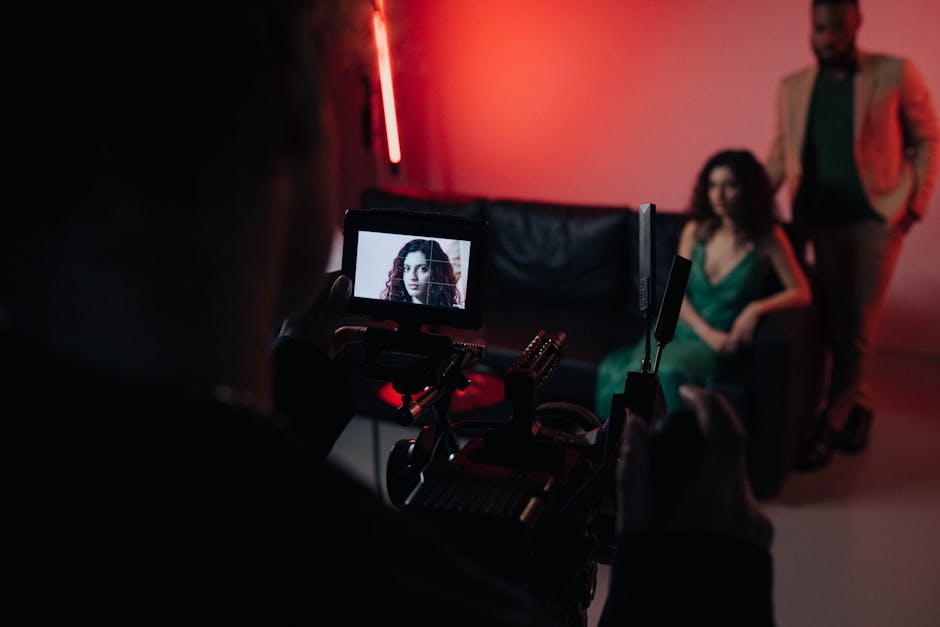
- Digital effects blend physical makeup and CGI seamlessly.
- AI tools assist with digital doubles and voice work.
- Casting software analyzes actor marketability data.
- Physical performance remains irreplaceable by algorithms.
How Are Digital Doubles in Cinema Created?
Brendan Fraser is an Oscar-winning actor whose career bridges the era of practical stunts and modern digital filmmaking. While Fraser himself relies on traditional acting, the films he stars in increasingly utilize advanced computer graphics and AI tools to enhance scenes. According to visual effects supervisors, modern blockbusters often blend physical sets with digital augmentation. But how do these systems actually work behind the scenes? Let's break down the technology driving today's cinema.
What Role Does AI Movie Production Technology Play?
Digital doubles are computer-generated replicas of actors used for dangerous stunts or background crowds. Studios scan an actor's face and body using specialized photogrammetry rigs equipped with dozens of cameras. Software then stitches these images into a 3D mesh. Animators map facial expressions onto the model frame by frame. So, when you see an impossible action sequence, you are often watching a digital avatar instead of the real person.
How VFX Photogrammetry Works Behind the Scenes
Practical effects give actors something real to react against on set. Prosthetics and makeup, like those used in Fraser's acclaimed role in The Whale, require hours in the chair. Digital tools then step in during post-production to clean up lighting or adjust proportions. Industry data shows that combining physical props with digital touch-ups costs about 30 percent more than pure CGI, yet it yields much better emotional performances.
What are the trade-offs of digital filmmaking?
Technology offers incredible freedom, but it comes with a major downside. Digital avatars and AI-assisted voice cloning raise serious ethical questions about actor consent and likeness rights. Furthermore, rendering complex scenes demands massive computing power and weeks of manual labor from artists. You gain flexibility, but you lose the organic spontaneity of a live take.
How do casting algorithms analyze actors?
Behind the camera, casting directors increasingly turn to data analytics platforms to evaluate talent. These tools scan global box office receipts, social media sentiment, and streaming metrics to predict an actor's return on investment. Yet, human intuition still rules the final decision. A spreadsheet cannot measure raw charisma.
Can you generate actors with AI video tools?
Generative AI video models can now synthesize realistic human faces from scratch. Users type a text prompt describing a character, and the software outputs moving video within seconds. These tools are changing how indie creators storyboard scenes. But they still struggle with consistent hand movements and long narrative continuity.
What is the future of human acting versus AI?
Artificial intelligence will continue to handle tedious background work in films. It will speed up rotoscoping and background removal. Yet, true storytelling requires lived human experience. Actors like Brendan Fraser prove that vulnerability and physical presence cannot be synthesized by code alone.
Add NewsPulse Time as a preferred source on Google
Frequently asked questions
Digital doubles are computer‑generated replicas of actors created using motion capture, photogrammetry, and deep‑fake techniques. They allow filmmakers to perform dangerous stunts, extend an actor’s screen time, or replace an actor who is unavailable, all while maintaining visual continuity.
Photogrammetry captures real‑world geometry by taking thousands of photographs from multiple angles. The resulting 3D models provide accurate lighting, texture, and scale, enabling VFX artists to seamlessly integrate CGI elements with live‑action footage.