How H&M Uses Data Analytics to Optimize Retail Inventory
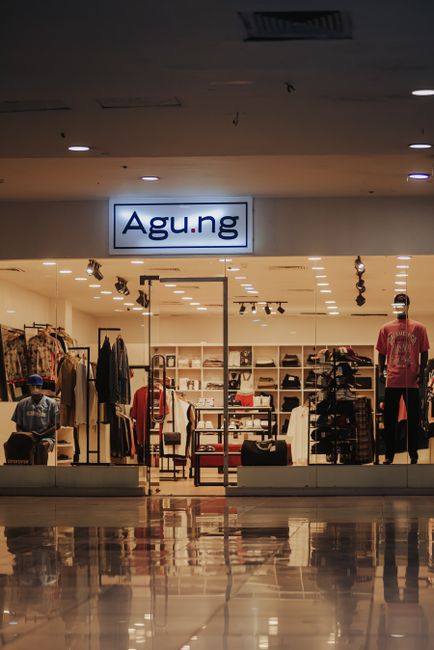
- Predictive algorithms now dictate local store inventory.
- Leaner supply chains aim to reduce unsold clothing waste.
- Algorithmic inventory limits style variety and experimental fashion.
- Personalized stock focuses on regional demand patterns.
How H&M Uses Predictive Analytics to Manage Retail Inventory
H&M is moving away from the old model of high-volume, speculative production. Instead, the company is using data to decide exactly what items end up in your local store. For you, this means a tighter selection of clothes designed to sell out rather than sit on a clearance rack. They are using predictive analytics to cut down on the massive inventory piles that used to define their business. If you notice fewer racks of random items, that is the software working. It is a shift from mass production to specific, data-backed supply chains. You might find that the items you want are available more often, but the days of browsing endless, unpredictable inventory are ending.
The Strategic Benefits of H&M’s Inventory Optimization
H&M monitors regional buying patterns to stock shelves based on local demand. If your area buys more sweaters in September, the algorithms ensure those arrive before the first frost. This replaces the old method of shipping the same stock to every store worldwide. Retailers like H&M now use these tools to keep inventory lean. It costs them less to store unsold clothes, and it keeps their physical footprint smaller. You get a store experience that feels more curated. But it also means that if you miss a specific trend, it likely won't be sitting on the shelf for weeks. Everything moves faster, even if the clothes look the same.
The Future of Data-Driven Fashion and Sustainability
The company claims this technology reduces waste by producing only what it expects to sell. Overproduction is a major problem in fashion, with millions of tons of garments ending up in landfills annually. By aligning production with actual demand, H&M attempts to lower its carbon footprint. However, the environmental impact remains high because the volume of clothes produced is still massive. Data can optimize a supply chain, but it cannot fix the fundamental issue of disposable clothing. You are essentially seeing a more efficient version of a system that still encourages rapid consumption.
How H&M’s Supply Chain Strategy Improves the Customer Experience
Relying on data to dictate inventory creates a feedback loop of sameness. Algorithms look at what sold well previously and suggest more of the same, which can stifle creative fashion risks. You might find it harder to discover unique, experimental designs because the system favors safe bets. If the data says a specific shade of blue is popular, you will see it everywhere. This limits the variety of styles available to you. It turns the retail experience into a mirror of popular trends rather than a space for personal discovery.
Frequently asked questions
Yes, H&M utilizes AI and predictive analytics to process massive datasets, including historical sales, regional trends, and weather patterns, to determine optimal stock levels for individual store locations.
By accurately forecasting demand at the store level, H&M can align production and distribution with actual consumer interest, which significantly minimizes overstock and unsold inventory.
Yes, data-driven inventory management supports sustainability by reducing the need for excess manufacturing and lowering the carbon footprint associated with shipping and disposing of unsold goods.