Real Cost of Kickboxing: Annual Budget and Gear Guide
- Monthly gym fees represent only 40% of the true cost of kickboxing.
- Quality gear like gloves and shin guards require replacement every 12-18 months.
- Medical copays and physical therapy costs are rarely factored into hobby budgets.
- Time spent on laundry and recovery represents a significant opportunity cost.
What Are Typical Monthly Kickboxing Membership Fees?
Kickboxing costs far more than the $100 to $200 monthly membership fee most people expect. If you factor in gear, laundry, and the high probability of injury-related downtime, the true annual cost often exceeds $3,000. You aren't just paying for gym access; you are funding a high-impact hobby that demands constant equipment replacement and physical maintenance. Beginners often overlook the recurring price of wraps, gloves, and shin guards that wear out within a year. And that’s before you consider the cost of medical care if a session goes sideways. Before you sign that contract, realize you are entering a financial commitment that requires a dedicated line item in your monthly budget.
How Much Should You Budget for Essential Kickboxing Gear?
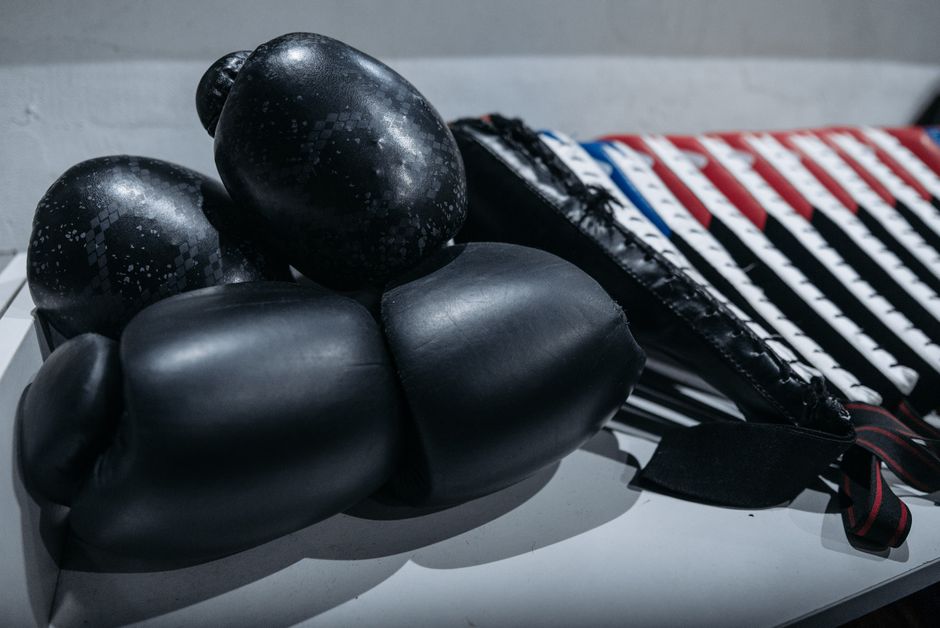
Most gyms charge a flat monthly rate, but they don't mention the gear cycle. You need hand wraps, which cost about $10, and they need replacing every few months because they lose elasticity or smell impossible to clean. Then there are gloves, which range from $80 to $200 for a pair that provides actual wrist support. If you train three times a week, the internal padding will compress and lose its protective qualities within 18 months. Shin guards add another $60 to $150 to your initial setup. You must treat these items as depreciating assets rather than permanent investments. If you ignore this, you will find yourself scrambling to buy replacements mid-year.
How to Calculate the Financial Impact of Kickboxing Injuries
Even with proper technique, kickboxing is a contact sport. A minor sprain or a jammed finger often requires a visit to an urgent care clinic or a physical therapist. Depending on your insurance plan, a single specialist copay can run $50 to $100. If you need X-rays or specialized bracing, the costs climb rapidly. Beyond the direct medical bills, consider the lost productivity if an injury keeps you from working or forces you to take time off. Most people treat exercise as a health investment, but kickboxing carries a specific risk of short-term disability that can hit your wallet hard. Always maintain an emergency fund specifically for unexpected medical expenses.
Is the Long-Term Investment in Martial Arts Worth It?
Time is money, and kickboxing is a time-intensive hobby. Beyond the hour spent on the mat, you have to factor in the commute and the post-workout ritual. Gear must be aired out and disinfected immediately, or it will rot and require premature replacement. You will spend roughly two hours a week just managing the hygiene of your equipment and doing extra loads of laundry. If you value your time at a specific hourly rate, this adds a hidden 'tax' to every session. You aren't just paying in dollars; you are paying in hours that could be spent elsewhere.
Practical Strategies for Budgeting Your Kickboxing Training
Treat your kickboxing habit like a business expense. Allocate $250 a month for your gym dues and set aside another $50 into a separate savings bucket for gear replacements and medical copays. This prevents the 'sticker shock' when your gloves finally fall apart or you need to visit a doctor. By smoothing out these costs, you avoid dipping into your primary savings for what is essentially a recurring hobby expense. If you cannot fit $300 a month into your budget, you may need to look for a more cost-effective fitness routine.
When Do Kickboxing Costs Outweigh the Benefits?
Kickboxing is not for everyone, especially if you have existing joint issues. If you find yourself in the urgent care center more than once every six months, the financial cost outweighs the cardiovascular benefits. The trade-off is simple: you are prioritizing high-intensity training over long-term physical preservation. If your goal is general fitness rather than learning a martial art, cheaper alternatives like running or bodyweight training exist. Do not feel pressured to stick with it if the recurring costs start to bleed into your essential savings or retirement contributions.
Frequently asked questions
Beginners should budget $150–$300 for essential gear, including gloves, hand wraps, shin guards, and mouthguards, with replacement costs occurring every 12–18 months depending on usage.
No, membership fees are only the base cost. You must also factor in recurring expenses for protective gear, laundry, gym maintenance fees, and potential medical co-pays for injury recovery.
You can reduce costs by purchasing high-quality gear during off-season sales, opting for annual membership contracts, and prioritizing preventative care to avoid injury-related medical expenses.