How Hershey Uses AI and Machine Learning to Optimize Supply Chains
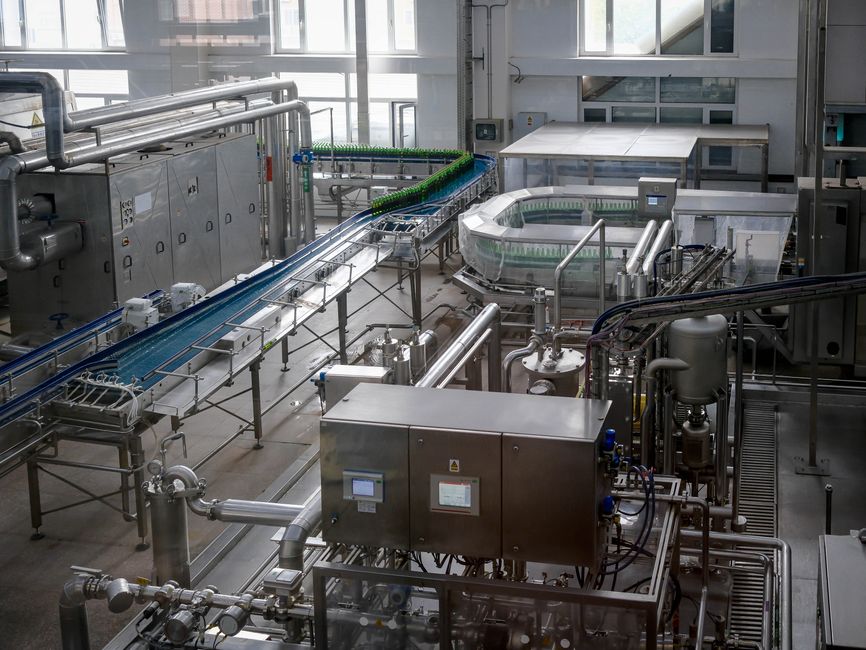
- Automation is stabilizing production costs for common snacks.
- Data-driven supply chains reduce empty shelf occurrences.
- Consumer shopping habits now directly influence new product flavors.
- Increased tracking creates a trade-off between convenience and data privacy.
How is machine learning in manufacturing changing snack production?
Hershey isn't just about chocolate; it is a case study in how legacy manufacturing adopts modern technology to stay relevant. By integrating machine learning into their supply chains, the company is attempting to keep your favorite snacks in stock while managing volatile ingredient costs. For you, this means fewer empty shelves and more stable prices despite broader economic shifts. But there is a trade-off to consider. As the company collects more data on consumer preferences through digital touchpoints, your shopping habits feed directly into their next product launch. You are no longer just a buyer; you are a data point in their production cycle. This shift represents a move toward hyper-efficient, demand-based manufacturing that prioritizes volume and predictability over traditional trial and error.
Why does Hershey use consumer data analytics for product launches?
Efficiency in the factory usually translates to savings at the register. The Hershey Company has been investing heavily in automated packaging and robotics to combat rising labor costs. When a robot handles the sorting process, the margin for human error drops significantly. So, why does this matter to you? It means the cost of production remains lower than it would be in an analog environment. According to industry reports, manufacturing automation can reduce waste by up to 15% in high-volume settings. If they spend less on production, they have more room to keep prices competitive. However, these systems are expensive to install and maintain. If the technology fails, production halts completely, which can lead to temporary regional shortages of specific items.
What are the benefits of demand-based manufacturing for shoppers?
Ever wonder why your grocery store always has the right amount of candy in stock? It is rarely a coincidence. The company uses predictive analytics to monitor inventory levels across thousands of retail locations in real-time. By analyzing historical sales data, they can forecast when your local store will likely run out of stock. And they act on it before the shelves go bare. This approach relies on complex software that integrates with retail point-of-sale systems. While this ensures you get what you want, it also means the brand knows exactly what you buy and when. They are essentially mapping your consumption habits to optimize their logistics network. It is a win for availability, but it relies on constant, granular monitoring of consumer behavior.
What are the privacy implications of data-driven manufacturing?
You provide data every time you use a digital coupon or join a brand loyalty program. Hershey uses this information to determine which new products to develop and which to shelve. If enough people scan a digital offer for a new flavor, the company treats it as a green light for full-scale production. This is the new reality of product development. You are essentially voting with your wallet and your clicks. The downside is the loss of anonymity in your shopping habits. Your preferences are aggregated into massive datasets that inform everything from packaging design to marketing campaigns. If you value privacy, participating in these digital ecosystems requires a compromise. You give up personal data to gain convenience and specialized offers.
How does AI improve supply chain resilience against market disruptions?
Global supply chains are notoriously fragile, as we have seen in recent years. Hershey has been hardening its logistics by diversifying its ingredient sourcing and using software to track shipments globally. By moving away from single-source suppliers, they reduce the risk of total production failure. This is why you rarely see widespread, long-term unavailability of major candy bars. But this resilience comes with a price. Managing a multi-layered supply chain requires constant oversight and expensive software subscriptions. These administrative costs are often baked into the final price of the product you see on the shelf. You pay a premium for the reliability of the supply chain, even if you never see the technology that makes it possible.
How does real-time data integration improve candy production?
The intersection of food science and data analytics is changing how snacks are invented. Instead of relying on focus groups alone, the company now looks at search trends and social media sentiment. They can see what you are craving before you even buy it. This allows them to pivot their production lines to match emerging trends in near real-time. It is a faster, more responsive way to run a business. Yet, this speed often means that niche or experimental flavors have a shorter lifespan. If the data does not show immediate traction, the product is discontinued quickly. You might find that your favorite limited-edition item vanishes faster than it used to because the data says it is not hitting the desired metrics.
Frequently asked questions
Hershey utilizes machine learning algorithms to analyze consumer purchasing patterns, which helps the company forecast demand, manage inventory levels, and stabilize pricing.
Yes, Hershey leverages consumer data analytics to identify flavor trends and shopping preferences, allowing them to launch new products that align with current market demand.
Demand-based manufacturing ensures that popular products remain in stock, reduces waste, and helps maintain consistent pricing by aligning production output with actual consumer needs.