Flash Flood Warning: What It Means and How to Stay Safe
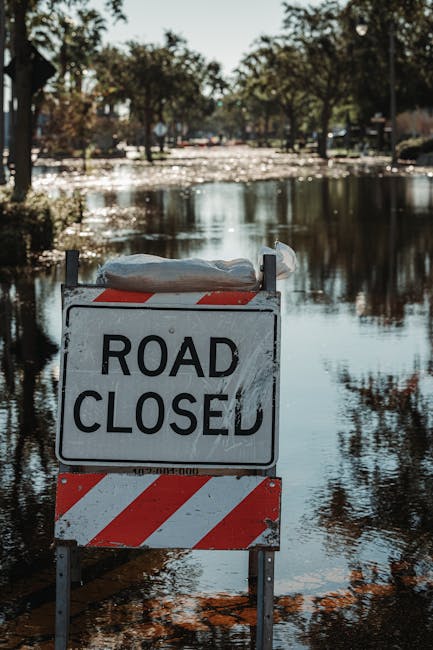
- A warning means flooding is happening or imminent; act immediately.
- Do not wait for visual signs of water before seeking high ground.
- Driving through floodwater is the leading cause of flood-related deaths.
- Prioritize physical safety over all other tasks when an alert arrives.
Flash Flood Watch vs. Warning: What Is the Difference?
A flash flood warning means dangerous flooding is currently happening or is about to occur in your specific area. Unlike a watch, which suggests conditions are favorable, a warning is a direct order to act. You must move to higher ground immediately to ensure your safety. Do not wait for visual confirmation of rising water, as flash floods can move faster than you can run. According to the National Weather Service, these events are a leading cause of weather-related deaths. If you receive an alert on your phone, treat it as an urgent priority. Your professional projects and daily schedule do not matter when your physical safety is at risk. Stop what you are doing and prioritize your exit strategy right now.
Immediate Steps to Take During a Flash Flood Warning
The difference between a watch and a warning is the difference between preparation and survival. A flash flood watch indicates that conditions are right for flooding to occur, giving you time to gather supplies or check your gear. A warning, however, is an active alert that says the threat is here. Think of a watch as a reminder to stay alert and a warning as a signal to execute your plan. Many people ignore warnings because their immediate surroundings look dry. But water can rise in low-lying areas or streets miles away from your current location. If you see a warning for your county, assume the threat is real and imminent. Do not wait for a second notification to start moving.
What should I do right now?
First, get to higher ground if you are in a low-lying area. If you are inside a building, move to the highest floor that is not an attic. Second, avoid walking or driving through flooded areas at all costs. Just six inches of fast-moving water can knock over an adult, while a foot of water can float many vehicles. Keep your phone charged and monitor official local emergency channels for updates. If you have an emergency kit, keep it within reach. If you do not have one, grab your medications, important documents, and a change of clothes. The trade-off here is that you might feel like you are overreacting if the flood does not hit your block. It is always better to be safe and lose an hour of work than to be trapped.
Is It Safe to Drive Through Floodwater?
The short answer is no. Most flood-related deaths occur when people attempt to drive through flooded roads. You cannot accurately judge the depth of water just by looking at the surface. The road beneath the water may be washed out, or the current could be strong enough to sweep your car away. If you encounter a flooded road, turn around and find an alternate route. Even if you have a large truck or SUV, do not assume you are invincible. According to safety guidelines, it takes only about two feet of rushing water to carry away most vehicles. If your car stalls in rising water, leave it immediately and move to higher ground. Your vehicle is replaceable; your life is not.
How to Prepare for Future Flash Flood Warnings
Preparation starts long before the rain begins to fall. Sign up for your local emergency alert system to receive notifications directly to your device. Create a simple plan that includes a designated meeting spot for your family and a list of emergency contacts. Keep a physical map of your area, as GPS and cell service often fail during severe weather events. Identify the nearest high ground from your home, office, and school. If you live in a flood-prone zone, consider investing in flood insurance, as standard homeowners policies often exclude water damage. Being prepared reduces the panic that happens when an alert triggers. When you have a plan, you can act with clarity instead of fear.
Emergency Evacuation: Should You Stay or Leave?
If local officials issue an evacuation order, leave without hesitation. Do not attempt to pack up your entire house or wait for the water to reach your doorstep. If you are not under an evacuation order but feel unsafe, trust your instincts. Leaving early is always easier than trying to escape once the roads are submerged. If you choose to stay, make sure you have enough water and non-perishable food to last for at least 72 hours. Turn off utilities at the main switches if you are instructed to do so. Remember that electricity and standing water are a deadly combination. Stay informed, stay dry, and keep your attention on the situation at hand.
Frequently asked questions
A flash flood watch means conditions are favorable for flooding to occur. A flash flood warning means flooding is imminent or already occurring, and you should take immediate action.
No. It only takes six inches of fast-moving water to reach the bottom of most passenger cars, which can cause loss of control or engine stalling. Never drive through flooded roadways.
Move to higher ground immediately. Avoid low-lying areas, canyons, and dry creek beds. If you are in a vehicle, abandon it if it becomes surrounded by water and move to higher ground on foot.
Related reading

How College Football Rankings Work: AP, Coaches, and CFP Explained
How to Stop Perfectionism and Start Shipping Your Best Work
Evaluating the Yogi Adityanath Governance Model and Productivity