Inside the FDNY Computer Aided Dispatch System: How It Saves Lives
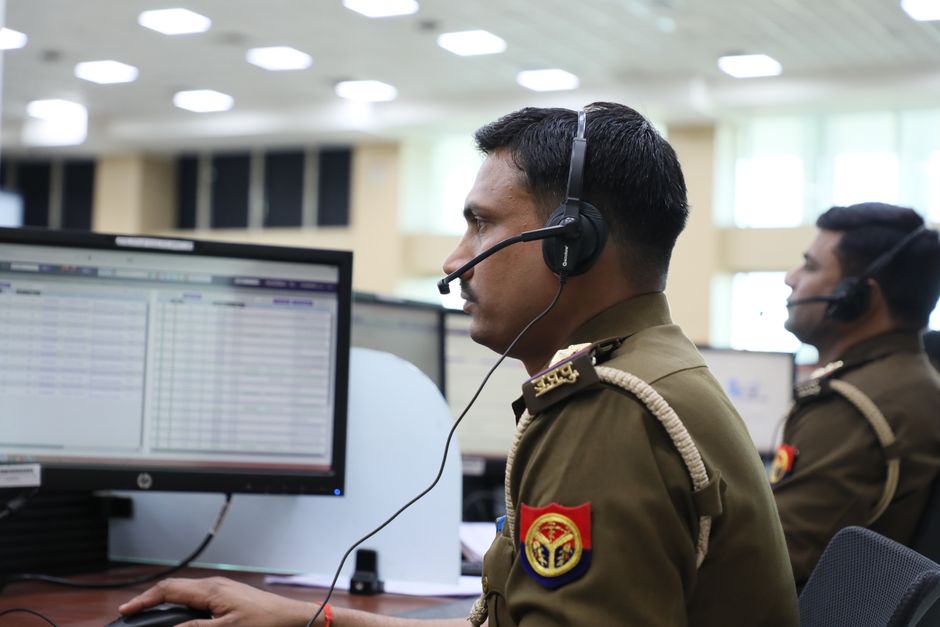
- The FDNY manages both fire suppression and medical response.
- EMS calls make up the majority of the department's total volume.
- A centralized dispatch system routes the nearest unit to the scene.
- Resource availability remains the primary operational challenge.
How does the Computer Aided Dispatch system work?
The FDNY operates as the primary emergency responder for New York City, blending fire suppression with a massive medical response network. They manage over 1.5 million emergency calls annually, with medical incidents accounting for the vast majority of that workload. When a person dials for help, a centralized dispatch system identifies the closest available unit based on real-time location data. It works by integrating GPS tracking with unit availability across all five boroughs. This unified approach ensures that medical aid arrives alongside or before specialized fire suppression teams. Because the department handles both disciplines, they can coordinate a tiered response to complex emergencies.
What role does emergency response technology play in NYC?
The Computer Aided Dispatch, known as CAD, sits at the heart of the operation. Dispatchers receive incoming signals and categorize the urgency of every request. A cardiac arrest requires a different response priority than a minor injury. They monitor unit locations to minimize response times for every neighborhood in the city. But this system faces constant strain due to the sheer volume of urban density. Units are frequently redirected mid-shift to cover areas where current resources are stretched thin. So, the system acts as a giant balancing act that updates every few seconds to keep the city covered.
How is real-time location data used for medical emergency dispatch?
Firefighters and EMS personnel function as distinct teams within the same department. While firefighters receive basic medical training for immediate stabilization, dedicated paramedics handle complex clinical interventions. This specialization allows for a tiered response model. One team might secure a scene while another prepares for transport to a hospital. It is a highly structured hierarchy designed to keep specialized skills focused on the right tasks. However, this division also creates silos that require constant communication to ensure the right equipment is on-site.
What are the operational challenges of the FDNY dispatch system?
The primary challenge involves managing staff fatigue and resource allocation. High call volumes mean that units are often unavailable because they are already busy at other scenes. This creates gaps in coverage that predictive modeling attempts to bridge. When a neighborhood loses its primary unit, the system must pull from further away, which increases response times. It is a constant struggle to balance limited resources against an unpredictable stream of emergencies. You can check the department's public performance reports to see how these metrics fluctuate by borough.
Frequently asked questions
The FDNY CAD system acts as the central nerve center for emergency response, automatically processing incoming 911 calls, identifying the closest available units via GPS, and dispatching them with critical incident data to reduce response times.
Real-time location data allows dispatchers to track the exact coordinates of ambulances and fire units, ensuring the nearest resources are deployed to a scene, which is vital for time-sensitive medical emergencies.
By automating unit selection and providing real-time traffic and incident updates, technology minimizes human error and reduces the time between receiving an emergency call and the arrival of first responders.