How to Evaluate New Medical Technology: Lessons from Theranos
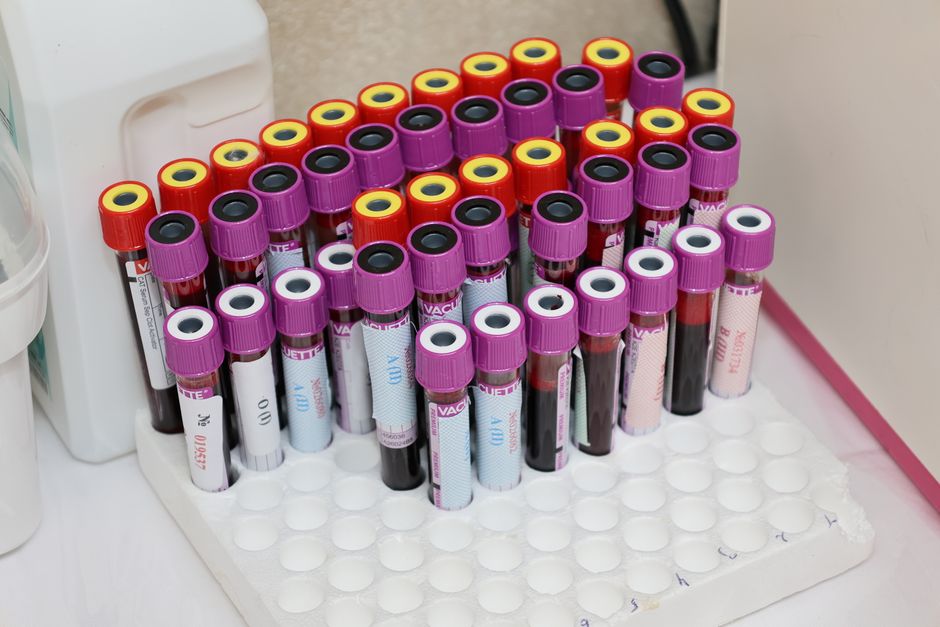
- Proprietary black-box technology in medicine is a major red flag.
- Peer-reviewed research is the only gold standard for diagnostic validity.
- Convenience often hides a lack of clinical accuracy.
- Your health data is a target, not just a product.
Why is peer-reviewed medical research essential?
Theranos proves that a compelling story is not the same as a functional product. You should demand peer-reviewed evidence before trusting any diagnostic tool with your blood or personal data. When a company promises to disrupt healthcare with a proprietary black box, the risk is not just financial—it is your physical health. If a medical device cannot show its work in established journals, you should treat it as a prototype, not a diagnosis. Your blood is too valuable to be a beta test for a billionaire’s vision. Don't trade your medical accuracy for the convenience of a shiny storefront.
How do you verify diagnostic tool accuracy?
The most dangerous startups often hide behind secrecy. If a company claims their technology is a 'trade secret' to avoid sharing data with the scientific community, walk away. Legitimate medical breakthroughs invite scrutiny from independent experts. But companies like Theranos framed this scrutiny as an attack on their innovation. So, look for published studies in reputable medical journals. If the only data provided is from the company's own marketing brochures, you are looking at a pitch deck, not a medical procedure. Always check if the company has received clearance from regulatory bodies for the specific claims they are making.
What are the risks of proprietary medical software?
Proprietary software is common in tech, but it is dangerous in medicine. When a company hides its testing methods, it prevents doctors from verifying the accuracy of your results. This creates a dangerous information gap. You might receive a false positive or, worse, a false negative that delays critical treatment. Many modern health apps now claim to monitor everything from heart rate to blood glucose levels. But just because an app is easy to use does not mean it is accurate. Always ask if the sensor technology has been validated against traditional hospital-grade equipment.
Why does medical technology transparency matter?
We love convenience. We want instant results without the wait of a traditional lab. But the trade-off for speed is often a lack of rigorous quality control. Theranos capitalized on our desire to bypass the doctor's office. They promised a better experience but delivered unreliable results that compromised patient safety. When you choose a quick, direct-to-consumer test, you are often stepping outside the standard care loop. This means your doctor may not see the results or be able to interpret them in the context of your full medical history.
What are the common red flags in medical startups?
Never assume a new diagnostic tool is better just because it is digital. Before you use a new health gadget, bring it to your primary care physician. Ask them if they trust the technology and if they would rely on it for your treatment plan. If your doctor has never heard of the testing method, that is a significant warning sign. A reputable provider will be able to explain how the device measures your biomarkers. If they cannot explain it, the tech is likely just a gimmick.
Why is healthy skepticism essential for medical decisions?
In an era of rapid digital growth, skepticism is not cynicism. It is a necessary form of self-defense. You must treat your medical data with the same caution you apply to your bank account. If a company claims to have solved a problem that has baffled scientists for decades, be very careful. Major medical breakthroughs are usually slow, incremental, and heavily documented. Anything that sounds too easy is likely too good to be true. Your health is the one area where you cannot afford a 'move fast and break things' approach.
Frequently asked questions
You can verify legitimacy by searching for peer-reviewed studies in reputable medical journals, checking for FDA clearance or approval status, and ensuring the company provides transparent data regarding their diagnostic accuracy.
Peer-reviewed research ensures that a device's technology and clinical outcomes have been independently scrutinized by experts in the field, reducing the risk of relying on unverified marketing claims.
Proprietary software often functions as a 'black box,' preventing independent verification of algorithms. This lack of transparency can hide errors, bias, or ineffective diagnostic processes that could impact patient outcomes.