EU MDR Compliance Guide for Medical Device Manufacturers
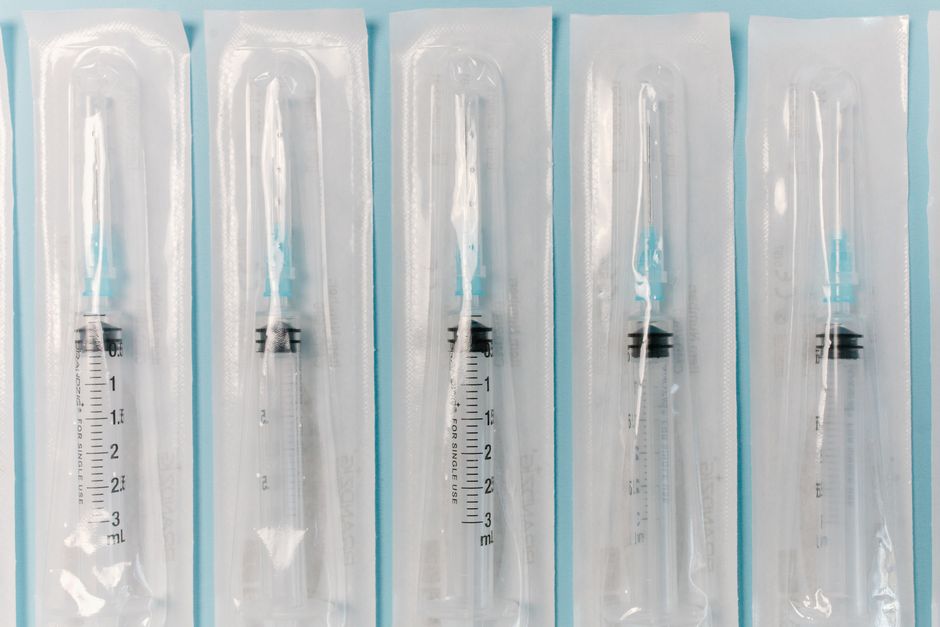
- MDR replaces older directives with stricter clinical evidence requirements.
- Manufacturers must perform ongoing monitoring throughout a product's lifespan.
- High compliance costs may lead to supply shortages for certain niche devices.
- Patients can check for the CE mark to confirm regulatory compliance.
What are the core MDR compliance requirements?
The Medical Device Regulation (MDR) sets the legal requirements for medical devices sold in the European Union. It replaces older directives to ensure that equipment—from simple bandages to complex surgical robots—undergoes rigorous clinical testing. Under these rules, manufacturers must prove their devices work as intended throughout their entire lifespan. So, it is about keeping patients safe by demanding better data. This framework shifts responsibility from one-time approval to continuous monitoring of every product. If you rely on medical technology, these rules define the standard of care you receive. It ensures that safety is not just a starting point, but a constant requirement for every manufacturer.
How do EU medical device safety standards protect patients?
The shift happened because previous systems failed to catch faulty devices early enough. European authorities updated the framework to close gaps in oversight and traceability. Before this, some devices reached the market with limited clinical evidence. Now, companies must maintain a Technical Documentation file that is far more detailed than before. This change forces manufacturers to justify every claim they make about their product’s performance. It creates a higher hurdle for entry, which helps keep substandard items off the shelves. These updates aim to prevent the release of products that lack sufficient long-term data.
What is the timeline for EU MDR implementation?
Compliance requires significant investment in clinical evaluations and post-market surveillance. Small companies often struggle because the costs can run into the hundreds of thousands of dollars for a single device class. They have to hire consultants or expand their internal regulatory teams to manage the required paperwork. Documentation must be updated as long as the device is in use, not just when it is launched. Many firms find the transition period difficult to manage. Some have even exited the market because the financial burden became too great to sustain.
Why is clinical evaluation of medical devices mandatory?
For patients and doctors, the main takeaway is that devices undergo more thorough testing. You can feel more confident that a pacemaker or an implant has undergone strict scrutiny before reaching a hospital. However, this process can lead to slower innovation. Some companies choose to pull older products from the market rather than pay for the updated testing. Check with your doctor if you are concerned about a specific device you use. They can explain if your current treatment remains the safest option available.
What are the common challenges of EU MDR compliance?
The biggest downside is the potential for supply shortages. When regulations become too expensive or complex, some businesses stop selling niche products that aren't profitable enough to justify the compliance cost. This can leave surgeons without specific tools they have used for years. It is a balancing act between safety and availability. While patients get safer tools, they might have fewer options for specialized treatments. This trade-off is a common point of discussion among healthcare providers.
How can you verify compliance?
You can verify a device’s status by looking for the CE mark on its packaging. A valid CE mark indicates that the manufacturer has followed the necessary steps under the MDR. You can also search the EUDAMED database to find information about specific devices. If you cannot find a record for a product, ask your healthcare provider for the manufacturer's documentation. Always prioritize devices that show clear evidence of meeting these updated standards.
Frequently asked questions
The EU MDR aims to ensure a high level of health and safety protection for patients and users by tightening the regulatory requirements for medical devices placed on the European market.
Any manufacturer, authorized representative, importer, or distributor placing a medical device on the European Union market must comply with the EU MDR requirements.
The MDR replaces the older Medical Device Directive (MDD) by introducing stricter requirements for clinical evidence, post-market surveillance, and the traceability of devices through the UDI system.