Stop Letting News Headlines Sabotage Your Stock Portfolio
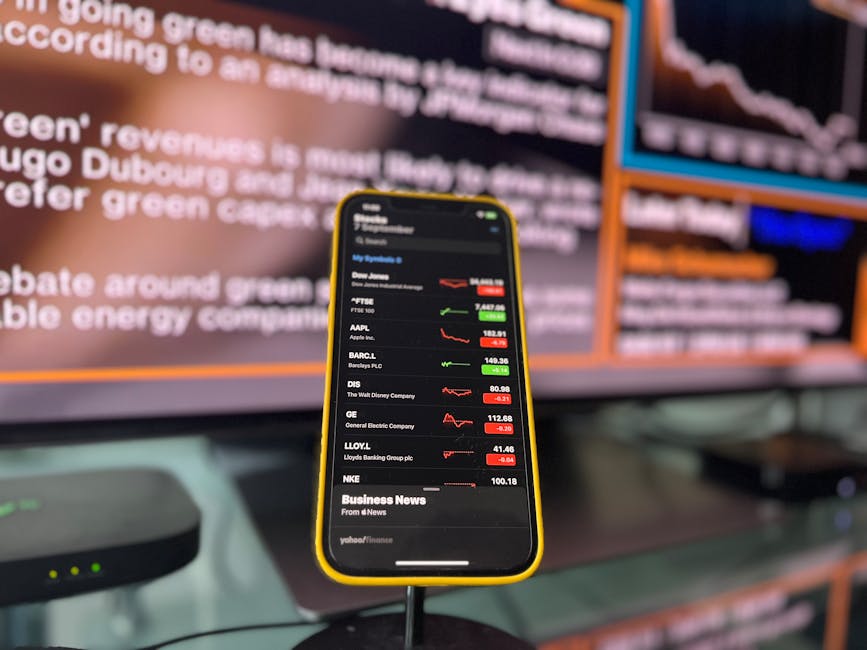
- Headlines are designed for engagement, not for sound financial analysis.
- Market prices usually adjust to news before you can react to a broadcast.
- Media stocks rely on cyclical ad revenue, making them inherently volatile.
- Always use official company filings rather than news tickers for research.
Why the 24-hour news cycle triggers investor losses
Investing based on headlines seen on outlets like Aaj Tak is a losing strategy for most retail investors. Breaking news often triggers emotional reactions rather than logical financial decisions. When you see a dramatic headline, the market has already factored that information into the share price. Instead of trading on the news cycle, look at the underlying balance sheet of the company. You want to focus on long-term growth metrics rather than the daily noise of cable news. Successful investors ignore the flashing red banners on their screens. They prioritize quarterly reports over 24-hour news updates. Focus on facts, not the narrative.
Common emotional investing mistakes to avoid
Emotional trading is the primary reason individual investors lose money. When a channel like Aaj Tak reports on a sector-wide crisis, your instinct is to sell immediately. But acting on that instinct often locks in losses at the exact bottom of a market dip. Professional traders ignore these headlines because they know news is designed for engagement, not financial analysis. According to historical market data, the most dramatic headlines rarely correlate with sustained price movements. Instead of watching the screen, look at the company's debt-to-equity ratio. If the fundamentals remain sound, a sensational headline is just background noise. Don't let a talking head dictate your retirement strategy.
How to build a data-driven long-term investing strategy
Media companies like TV Today Network, which owns Aaj Tak, operate on advertising revenue. This revenue model is cyclical and tied to broader economic health. If you are looking at media stocks, watch the ad spend data instead of the content viewership numbers. High viewership does not always translate to higher margins or better stock performance. Look for companies with diversified revenue streams beyond just television advertising. If a firm relies solely on one channel, their risk profile is substantially higher. A stable media stock should show consistent cash flow over three to five years. Check the balance sheet before you commit your capital.
How to master trading psychology for consistent returns
Anchoring is a cognitive bias where you fixate on the first piece of information you see. You might see a stock price jump during a news segment and assume that price is the new normal. This leads to buying at the top because you fear missing out on the rally. But price is not the same as value. Just because a stock is trending on a news site doesn't mean it is a bargain. Wait for the hype to fade before you make any moves. True value is found in the numbers, not the trending topics.
Is media sector volatility a reliable indicator for stock performance?
Media stocks often suffer from higher volatility compared to consumer staples or utilities. You might see price swings of 5% or more in a single session following a major event. This level of turbulence requires a high risk tolerance that many casual investors lack. If you cannot sleep through a 10% dip in your portfolio, you should avoid this sector entirely. The trade-off for higher potential returns is the constant threat of sharp, news-driven corrections. Consider whether your long-term goals align with such unpredictable assets. Stability often beats excitement when it comes to long-term wealth building.
Where to find reliable financial data for retail investors
Stop relying on news tickers for your financial research. Use official filings like the annual reports or quarterly disclosures provided by the company on their investor relations page. These documents are legally required to be accurate and provide a clear picture of the company's financial health. While news channels offer perspectives, they do not offer the raw data you need for a proper audit. Compare these documents against your own risk threshold. If you find the data complex, seek out independent analysis from regulated financial advisors. Relying on primary sources is the only way to avoid the traps of sensationalism.
Frequently asked questions
News headlines often trigger emotional reactions, leading to impulsive buying or selling that causes stock prices to deviate from a company's underlying financial fundamentals.
Emotional trading is the practice of making financial decisions based on fear, greed, or panic rather than objective analysis, which frequently leads to poor portfolio performance.
You can mitigate emotional reactions by establishing a rules-based investment strategy, limiting your exposure to sensationalist media, and focusing on long-term financial data rather than daily volatility.