Dubai Tech Ecosystem: Leadership and Infrastructure Growth
- He is not a tech product, but a primary architect of the infrastructure where tech thrives.
- His influence directs state capital into massive data and urban modernization projects.
- The model favors rapid, top-down deployment over decentralized competition.
- Investors benefit from speed and stability, but must accept a lack of corporate transparency.
How does the Middle East digital economy function?
Sheikh Ahmed bin Rashid Al Maktoum is not a tech product, but his influence shapes the infrastructure where technology thrives. If you are tracking the digital economy in the Middle East, he is worth your close attention. He serves as a key pillar in the regional leadership that directs capital into massive infrastructure and tech-focused initiatives. For the average reader, he isn't a brand to follow or a gadget to buy. Instead, he represents the high-level decision-making that turns desert into data centers. You won't find a software release here, but you will find the foundational support that allows companies to scale. Understanding his role means seeing the machinery behind Dubai’s rapid modernization efforts.
What drives infrastructure development in Dubai?
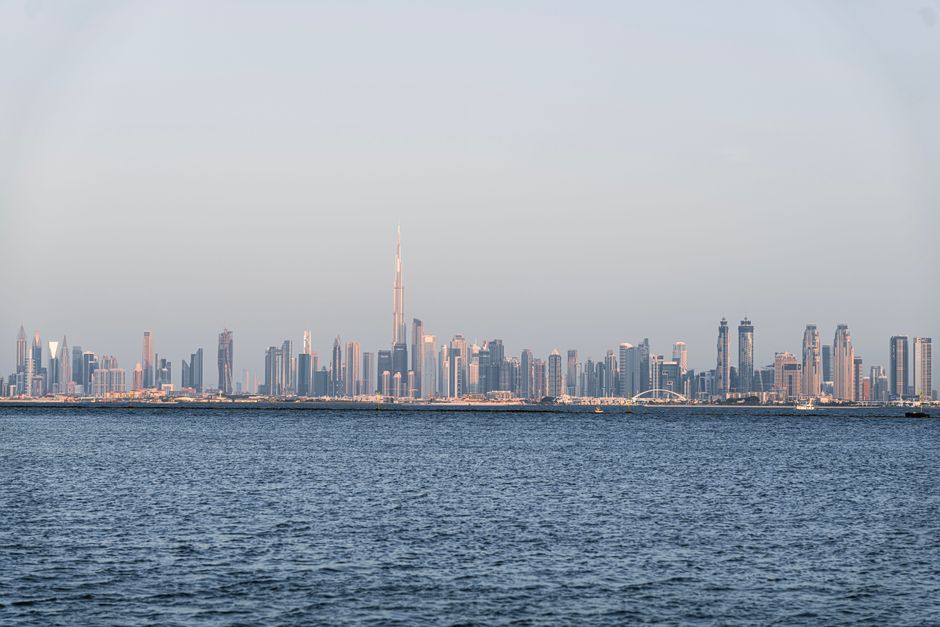
He is a member of the Dubai ruling family, not a software developer. But his impact on the region's technological capacity is undeniable. He manages military and business portfolios that prioritize modernization. When you look at the growth of Dubai, you are looking at the result of his family's long-term planning. It is not about a specific app or a hardware release. It is about the physical and regulatory environment that attracts tech giants to set up regional headquarters. He provides the stability that allows firms to commit to long-term projects.
Why is tech investment in Dubai accelerating?
Investment follows stability. Sheikh Ahmed’s role in government sectors ensures that infrastructure projects move forward without typical bureaucratic delays. Think of it as a top-down approach to economic expansion. While other regions struggle with fragmented policy, this structure keeps the focus on rapid scaling. It makes the region a testing ground for large-scale enterprise tech. If you want to understand how a city becomes a smart city, look at the people who authorize the budget. Their approval dictates which technologies become standard.
How does the UAE modernization strategy impact business?
Every major tech hub has a downside. Dependence on central authority means changes in leadership can shift the focus overnight. It is a high-reward, high-concentration strategy. Investors must weigh the speed of deployment against the lack of public oversight. You won't find the transparency of a public corporation here. Instead, you get the efficiency of a centralized command. For many companies, the speed of access is worth the trade-off.
Key Metrics of Dubai’s Tech Sector Growth
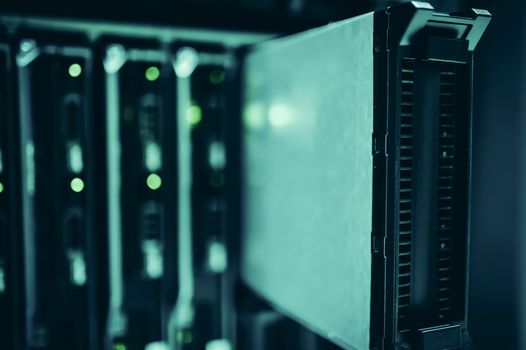
Look at the infrastructure spending. Billions go into the physical hardware that supports high-speed connectivity across the emirate. Dubai's data center capacity has grown significantly, fueled by these high-level investment decisions. It is not about one person's bank account. It is about the capital redirected into digital infrastructure. This provides a playground for tech firms to test everything from AI logistics to automated urban management. The result is a highly controlled, high-performance environment.
How does this compare to Silicon Valley?
Silicon Valley relies on venture capital and decentralized competition. The model in Dubai relies on state-backed mandates and massive capital infusions. One thrives on disruption, while the other thrives on precision and scale. If you are a startup, the Valley offers more freedom. If you are an enterprise looking for a massive, ready-to-use digital ecosystem, the Dubai model is often more efficient. You choose your path based on your need for speed versus autonomy.
The Future of Dubai as a Global Tech Hub
You do not follow Sheikh Ahmed for tech news. You follow his influence to understand where the money is moving. If you care about global tech infrastructure, his role is central. It is a massive project that is still unfolding. Keep an eye on regional trade agreements and government contracts to see the next move. This is where the long-term trends are written.
Frequently asked questions
Leadership in Dubai drives the tech sector by implementing regulatory frameworks, funding digital infrastructure, and creating business-friendly environments that attract international talent and capital.
Dubai supports startups through high-speed digital connectivity, specialized free zones, and advanced physical infrastructure that lowers operational barriers for emerging technology companies.
Dubai is a global tech hub due to its strategic geographic location, tax-efficient business policies, and a government-led commitment to digital transformation and economic diversification.