Done Global Adderall Investigation: Inside the $100M Telehealth Scheme
- Done Global issued over 40 million prescriptions to reach a $1 billion valuation.
- Clinicians performed 'assembly-line' prescribing, sometimes in 30-second intervals.
- The company created a medical practice specifically to bypass pharmacy refusals.
- Founder Ruthia He and clinical president David Brody were sentenced to prison.
What was the Done Global Adderall scheme?
Done Global distributed 37 million Adderall pills through a digital health operation. The company used a subscription-based telehealth model to issue more than 40 million Adderall prescriptions over several years, generating over $100 million in revenue.
Prosecutors describe the Done Global operation as a $90 million scheme built with the goal of reaching a $1 billion company value.
How did the Done Global ADHD treatment model operate?
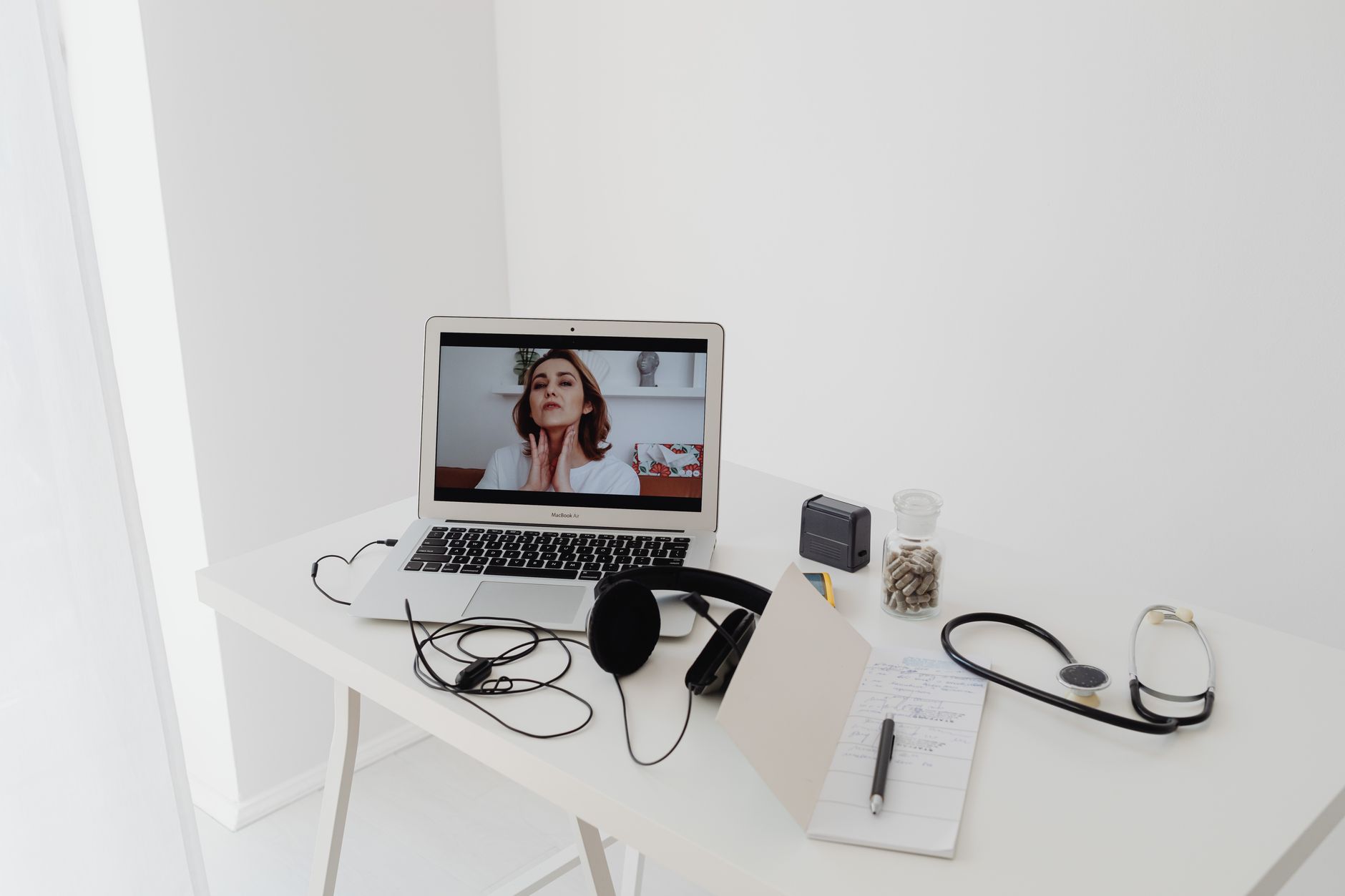
Done Global marketed itself as a digital health company offering online diagnosis, treatment, and medication refills for ADHD. In this business model, patients paid a monthly subscription fee in exchange for access to prescribers and medications.
The company spent more than $40 million on social media ads during and after the COVID-19 pandemic to target potential ADHD patients.
How did 'assembly-line' prescribing function?
Prescriptions were issued without proper examinations, often without a pre-existing practitioner-patient relationship, and sometimes based solely on brief video or audio calls or no direct interaction at all. Clinicians at Done Global issued Adderall prescriptions at intervals as short as thirty seconds, a practice described as assembly-line prescribing.
In some cases, patients did not meet DSM-V diagnostic criteria for ADHD, posed a risk of diversion, or were prescribed dosages and combinations that fell outside accepted medical practice. Clinical president David Brody personally prescribed 394,324 stimulant pills to patients he never properly assessed.
Jonathan Decker prescribed methamphetamine to a patient with an active substance use disorder and Adderall to a patient with schizophrenia after being warned the drug worsened the patient's psychotic symptoms. Jonathan Decker speculated that running a meth lab seemed like a good idea.
How did the operation bypass pharmacy safeguards?
A federal grand jury in San Francisco indicted Done Global Inc. and the Florida-based medical practice Mindful Mental Wellness (MMW) for conspiring to illegally distribute controlled substances, commit health care fraud, and obstruct justice.
According to the indictment, MMW was created to bypass pharmacies that refused to fill Done-affiliated prescriptions.
How did the company commit health care fraud?
Done Global and MMW submitted false and fraudulent claims to Medicare, Medicaid, and commercial insurers.
The company defrauded these programs out of about $12.3 million by submitting claims for stimulants that lacked a valid medical basis.
What are the legal implications of this Adderall distribution scheme?
Done Global founder Ruthia He was sentenced to six years in prison and fined $1 million for orchestrating the scheme. Ruthia He was convicted by a federal jury in November 2025 and received her 72-month sentence in July 2026. Clinical president David Brody received a 24-month sentence in July 2026.
Jonathan Decker was convicted on October 2, 2026, of one count of conspiracy to distribute controlled substances and six counts of distribution of controlled substances for his work on the platform. He was paid more than $1 million for the prescriptions he issued and faces a maximum penalty of 140 years in prison. Decker is the 11th defendant convicted in this $100 million drug distribution and health care fraud scheme.
Galeotti stated that Done Global used lies and deceit to carry out a sophisticated and wide-ranging telehealth fraud scheme. Assistant Attorney General Colin M. McDonald stated that the Fraud Division is providing full-spectrum accountability for drug dealers who cloak their activities in online telemedicine platforms.
Miranda L. Bennett, acting deputy inspector general at the HHS Office of Inspector General, stated that Dr. Decker's reckless abuse of his medical license put vulnerable patients at risk and fueled dangerous drug abuse. Pete Gizas, acting special agent in charge of Homeland Security Investigations New York, stated that a medical license is a public trust, not a tool for flooding communities with dangerous controlled stimulants and exploiting vulnerable patients for profit.
- Done Global Illegally Distributed 37 Million Adderall Pills. The Problem Wasn’t Telehealth Alone — Google News, Oct 15, 2026
- Adderall (Wikipedia — background) — Wikipedia
- Telehealth Firm & Medical Practice Indicted in Alleged $100 Million Adderall Scheme — grcreport.com
- Telehealth Pill Mill Unleashed | The Red Wire — theredwire.com
- Federal Jury Convicts Michigan Doctor of Distributing More Than 2 Million Stimulant Pills Through Done's ADHD Telehealth Platform — medicaldaily.com, Oct 4, 2026
Add NewsPulse Time as a preferred source on Google
Frequently asked questions
Prosecutors allege that Done Global and Mindful Mental Wellness (MMW) created a specific medical practice to bypass pharmacies that refused to fill prescriptions from Done-affiliated providers. By funneling patients through MMW, the operation continued to issue stimulant prescriptions despite warnings and refusals from standard pharmacy networks.