How Democratized Military Tech is Changing Modern Warfare
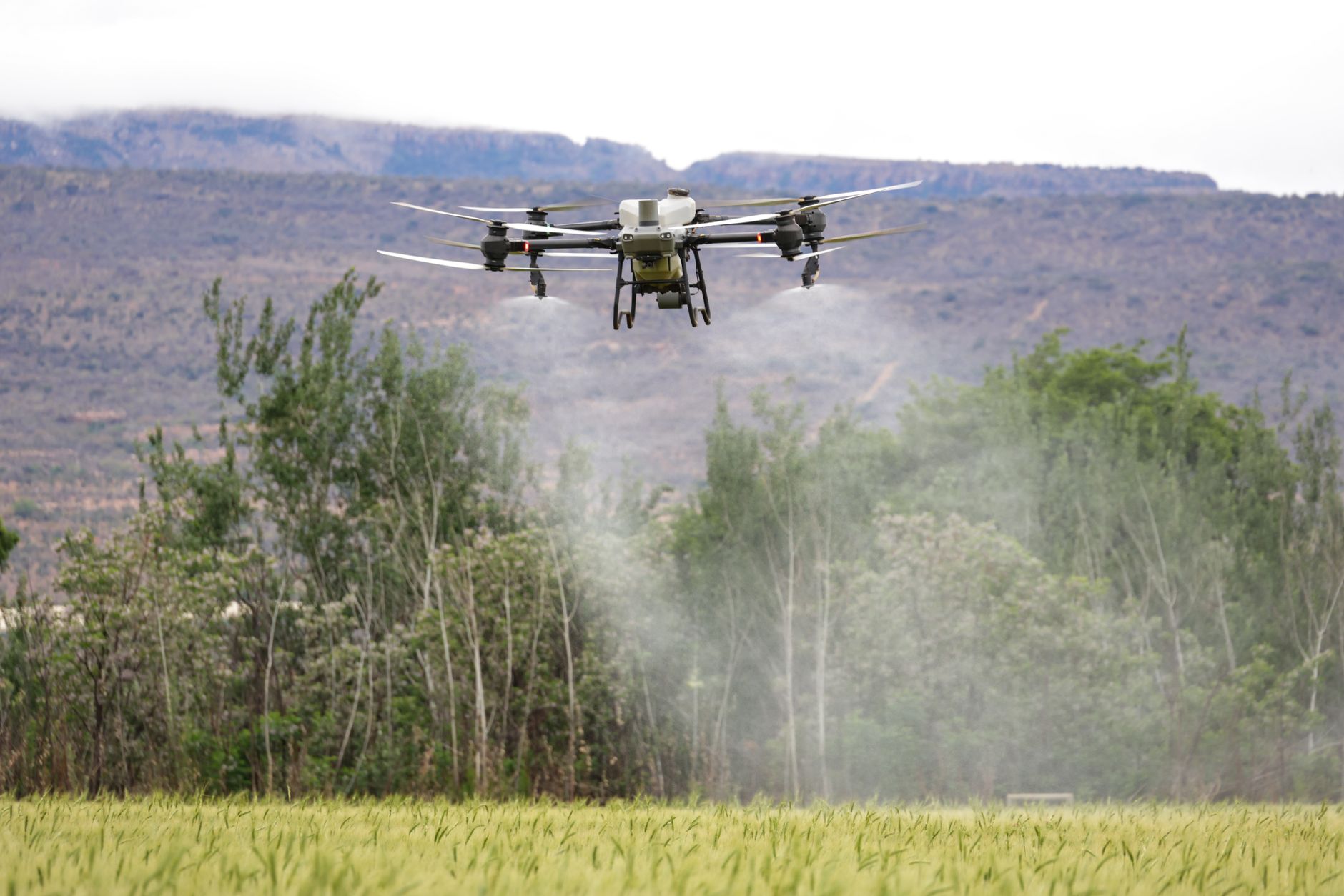
- Technology is no longer exclusive to superpowers.
- Strategic geography now benefits smaller, agile actors.
- The monopoly on war is effectively gone.
- Absolute control is an illusion for modern nations.
How is asymmetric warfare shifting the global balance of power?
The superpower monopoly on war is over because technology and geography now empower smaller actors. According to the reflection published on October 11, 2026, the shift results from the democratization of technology alongside the strategic use of geography. Smaller groups can now challenge major powers, meaning that absolute control in conflict is no longer possible for any single nation. You should recognize this as a permanent change in how global conflicts function. The era where a few superpowers dictated the terms of engagement has ended, as the barrier to entry for modern military operations has dropped significantly for non-state actors.
Why are non-state actor military capabilities increasing?
Technological access has expanded beyond the reach of centralized state control. Because commercial tools are now capable of complex tasks, groups that previously lacked military parity now possess advanced capabilities. This shift means the advantage of size is offset by the advantage of agility. Strategic geography allows these smaller groups to operate in ways that traditional military power cannot easily counter. By utilizing the environment, they negate the standard tactics used by superpowers to maintain dominance.
What are the latest trends in dual-use military technology?
Superpowers are the primary entities affected by this loss of monopoly. They must now contend with actors that do not follow traditional rules of engagement. Smaller nations and non-state actors are also affected, as they now have tools that were once out of reach. This creates a more volatile environment where power dynamics are constantly in flux. You should view this as a fundamental change for any organization involved in international affairs.
How does commercial technology in warfare impact national security?
Watch how nations adjust their military spending in response to these democratized threats. You should look for changes in how governments approach strategic geography, as they try to regain an advantage. It is necessary to monitor whether superpowers attempt to restrict technology access or if they move toward new, decentralized defensive strategies. Keep an eye on how these groups use existing infrastructure to maintain their new operational capabilities.
What does the future of global conflict look like in the age of democratization?
The long-term impact on global stability remains unclear. It is not known if this shift will lead to more frequent, smaller conflicts or a new form of stalemate between states and non-state actors. The limits of this technological democratization are also unknown. We do not yet know if superpowers can find a way to re-establish control without resorting to outdated methods that no longer apply.
- The Illusion of Absolute Control: A Veteran's Reflection on How Democratized Technology and Strategic Geography Broke the Superpower Monopoly on War — Google News, Oct 11, 2026
Add NewsPulse Time as a preferred source on Google
Frequently asked questions
Democratized military technology refers to the increasing accessibility of advanced tools—such as drones, satellite imagery, and AI software—that were once exclusive to superpowers but are now available to non-state actors and smaller nations.
Commercial technology, specifically in AI and robotics, allows non-state actors to bypass traditional military supply chains, enabling rapid deployment of cost-effective, high-impact weaponry.
The primary risks include the proliferation of autonomous systems, the difficulty of attributing attacks to specific actors, and the potential for commercial AI models to be repurposed for cyber warfare.
Related reading

FreeCast Named Best Streaming Technology Platform of 2026

Gelion Sulfur Battery Technology: Advancing High-Power EV Performance

The Evolution of Battery Technology and American Energy Innovation