Is a Data Center Management System Worth the Investment?
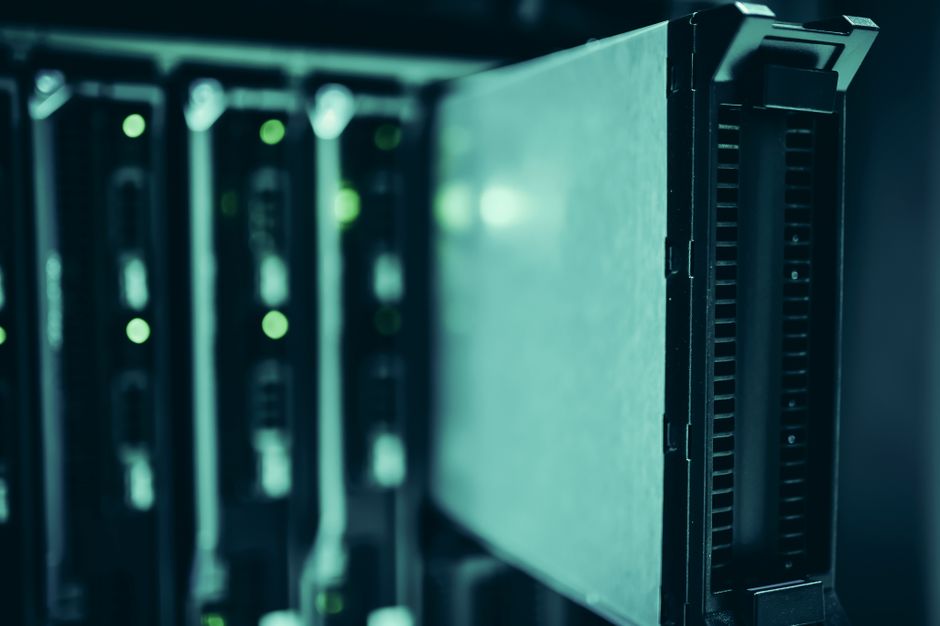
- DCMS centralizes power, cooling, and hardware monitoring.
- Small-scale operations rarely recover the high deployment costs.
- Integration often takes six months or longer to complete.
- Vendor lock-in is a significant risk for long-term flexibility.
What are the primary DCMS benefits for your facility?
For most teams, a Data Center Management System (DCMS) is not worth the price tag unless you manage multiple high-density facilities. If you run a single server closet or a small room, you are better off using simple monitoring tools that cost a fraction of the amount. A DCMS provides deep visibility into power usage and cooling efficiency, but it requires significant labor to set up and maintain. You should only consider this path if your uptime requirements are strict and your manual tracking methods have failed. Otherwise, keep your setup simple and save your budget for hardware upgrades.
Is the DCMS cost analysis favorable for small server rooms?
Installing a DCMS is rarely a plug-and-play experience. Most vendors require you to map every rack, sensor, and power distribution unit across your facility. This data entry phase can easily drag on for six months, consuming hundreds of hours of your staff's time. You will also need to train your team on the interface, which often feels clunky compared to modern cloud software. Some systems require custom coding to talk to legacy hardware that does not support standard protocols. And if you have a mixed-vendor environment, expect the integration to be messy and prone to errors.
How to Overcome Common DCMS Implementation Challenges
The sticker price is only the beginning of your financial commitment. You must factor in annual maintenance fees, which often run 15% to 20% of the initial software cost every year. Add in the cost of dedicated personnel to manage the dashboard, and the total expense grows quickly. Many firms fail to account for the time spent troubleshooting the DCMS itself when it stops reporting data correctly. You might find yourself spending more time managing the management system than managing your actual servers. It is a classic case of the tool becoming a burden.
When should you choose data center management software?
If your data center footprint is under 50 racks, you likely do not need a DCMS. You can achieve similar visibility using basic SNMP monitoring tools or open-source solutions that cost almost nothing. These alternatives give you the alerts you need without the overhead of a massive, proprietary platform. Small teams thrive on simplicity, not complex overhead. Avoid the temptation to buy a tool just because it looks impressive in a demo. If you do not have a dedicated facility manager, you will never get the value out of the software.
When Does a DCMS Pay for Itself?
A DCMS pays off when your energy costs exceed $100,000 per month and your cooling efficiency is unknown. In these large-scale environments, a 5% improvement in power usage effectiveness (PUE) saves enough money to cover the software costs within two years. You gain the ability to pinpoint wasted energy and optimize airflow in ways that manual checks cannot match. It also helps with capacity planning, allowing you to identify exactly where you can fit new hardware without overloading circuits. For massive operations, it is a tool for survival.
How to Avoid the Trap of Vendor Lock-In
Choosing a DCMS often means locking yourself into one company's ecosystem for a decade. Once your asset data is inside their specific format, moving to a different provider is a nightmare of data migration. Some vendors intentionally make it difficult to export your configuration files to prevent you from switching. You should ask for a demonstration of how to extract your data before you sign any contract. If they cannot show you a clear path out, assume you are stuck for the long haul. Always prioritize open standards over proprietary features.
Frequently asked questions
A DCMS is a software platform designed to monitor, manage, and optimize the physical and logical infrastructure of a data center, including power consumption, cooling efficiency, and hardware capacity.
Small server rooms often function efficiently with basic monitoring tools. A full DCMS is typically only cost-effective when the complexity of managing power and cooling exceeds the capacity of manual oversight.
The primary risk is vendor lock-in, where proprietary software creates high switching costs, making it difficult or expensive to integrate new hardware or migrate to a different provider in the future.