How Octopus Energy Is Solving Data Center Power Demands

- Octopus is targeting software firms to optimize data center energy usage.
- Data centers face growing strain on power grids.
- The move aims to balance high energy demand with grid stability.
How does data center power consumption impact the grid?
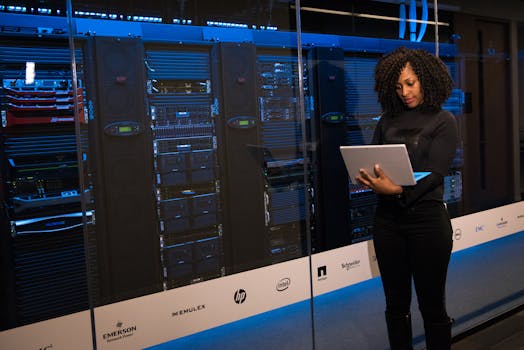
Octopus Energy is moving to acquire software startups to better handle the surging energy requirements of data centers, according to an October 9, 2026 report. This strategic pivot focuses on finding digital tools that can automate and optimize how these massive facilities draw power from the grid. As data centers expand their capacity, the strain on local power infrastructure has become a primary bottleneck for industry growth. By integrating specialized software, Octopus aims to manage these energy loads more efficiently. This move signals that the company views advanced software as the critical bridge between massive energy consumption and long-term grid stability.
Why is energy load balancing critical for AI infrastructure?
Data centers consume vast amounts of electricity to support cloud computing and artificial intelligence workloads. This concentration of demand often stresses local energy grids to their limits, according to industry analysis. Octopus is seeking to solve this by acquiring software that can potentially shift or dampen energy consumption patterns in real-time. It is a logical step for an energy provider that already prioritizes technology to balance supply and demand. If they can control the intake of these high-consumption sites, they can prevent grid failures and lower costs for everyone involved.
Can software improve grid stability solutions for data centers?
The move primarily impacts technology companies operating data centers and energy management startups looking for an exit. If you run a firm that specializes in grid-balancing software, you might find yourself in the middle of a new acquisition cycle. For the average consumer, the direct impact is minimal today. However, the success of these tools could determine how quickly new tech infrastructure gets built in your area. If grid strain is managed better, utility companies face less pressure to raise prices to fund emergency infrastructure upgrades.
What are the next steps for Octopus Energy’s data center strategy?
Keep an eye on the broader M&A market for energy-tech startups. While the initial report confirms the intent to buy, no specific acquisitions have been finalized yet, according to the source material. You should monitor announcements from Octopus regarding potential partnerships or purchases in the coming months. If these deals go through, it will be a clear indicator that data center energy management has officially become a high-priority tech sector. Watch for which specific software features these startups offer, as those will define the future of grid-aware computing.
What are the remaining challenges for sustainable data center energy?
The most significant question is which startups are currently on the radar. The report does not name specific acquisition targets or provide a timeline for when these deals might close. We also do not know the intended budget for these acquisitions. It is unclear if Octopus intends to build a proprietary suite of tools or if they plan to offer this management software as a service to other energy providers. Until more details surface, the full scope of this strategy remains a moving target.
- Exclusive / Octopus looks to buy software startups to manage data center demand — Google News, Oct 9, 2026
Frequently asked questions
Data centers require massive, constant power, which can strain local grids and lead to capacity shortages if not managed with intelligent load-balancing software.
AI infrastructure requires high-density computing, creating unpredictable power spikes that threaten grid stability without real-time load management.
Software solutions automate energy distribution, shifting power usage to off-peak hours and integrating renewable energy sources to stabilize the grid.