Cricket Funding: How India’s BCCI Model Compares to Japan
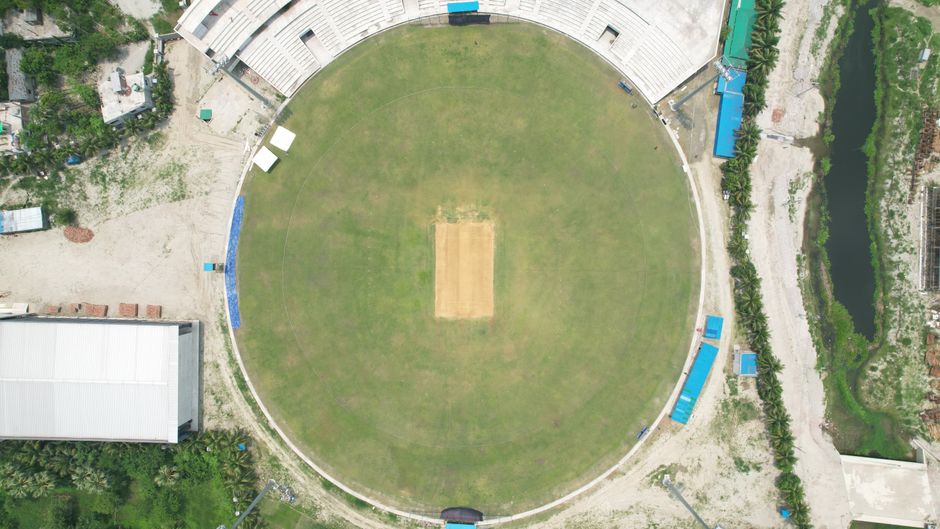
- India’s cricket ecosystem is a multi-billion dollar industry driven by the BCCI.
- Japanese cricket operates as an amateur-focused, development-stage project.
- Professional paths in India offer high-stakes contracts; Japan offers grassroots participation.
- The financial disparity between these two boards remains vast.
How does the BCCI revenue model support Indian players?
India and Japan represent opposite ends of the global cricket financial spectrum. While India’s team is backed by the Board of Control for Cricket in India (BCCI), arguably the wealthiest sports body in the world, Japan’s cricket program remains in a developmental, amateur-heavy phase. India’s top players command multi-million dollar contracts, sponsorships, and global brand visibility that dwarf almost every other sporting organization. In contrast, Japan’s players often balance professional careers outside of cricket to sustain their training and match schedules. So, comparing the two isn't about skill parity on the pitch; it is about the stark difference between a mature, commercialized industry and an emerging, grassroots-funded initiative.
What are the challenges of amateur cricket funding in Japan?
India’s players are full-time professionals with centralized contracts that provide significant financial security. Top-tier Indian athletes earn base salaries that reach into the seven-figure range, bolstered by massive endorsements. The financial incentive to play cricket in India is high, creating a hyper-competitive environment that filters for the best of the best. But when you look at Japan, the model is entirely different. Most players in the Japanese system are self-funded or rely on corporate sponsorship, as the Japan Cricket Association (JCA) focuses on expanding the sport's footprint rather than maintaining a roster of high-paid professionals. It is a hobby-to-professional pipeline that lacks the massive broadcast revenue seen in the Indian market.
Why do professional cricket contracts vary by nation?
Infrastructure is the primary driver of the value gap between these two nations. India boasts world-class stadiums, academies, and a domestic league system that generates massive revenue for the board. This creates a sustainable cycle where money is reinvested into talent discovery. Japan lacks this scale of investment. The JCA manages a smaller network of grounds and relies on a smaller pool of talent to sustain its national program. While Japan is seeing growth in participation, they are decades away from the commercial infrastructure that powers the Indian side. This means that a player in India has a defined career path, while a player in Japan is essentially a pioneer helping to build a new sport from the ground up.
Are there alternatives for amateur players?
If you are looking at cricket as a career, the Indian model is the gold standard for financial return. But if you are looking at it as an opportunity for growth or international experience, the Japanese system offers a different kind of value. Japan provides an entry point for those wanting to represent a nation in an environment that is less saturated than the Indian circuit. The trade-off is clear: you won’t find the same financial rewards or media spotlight in Japan. Yet, for those who value the challenge of building a program, the lack of commercial pressure in Japan can be a benefit. It is a choice between a high-stakes professional grind and a community-driven sporting experience.
What is the growth trajectory of cricket in Japan?
Japan’s cricket growth is steady but faces significant competition for attention in a sports market dominated by baseball and soccer. The JCA has worked to increase the number of clubs and youth programs, but funding remains limited compared to the massive commercial engine behind the Indian national team. Expect the gap between these two to remain wide for the foreseeable future. Investors or players looking for high-return career paths in cricket will find little in the Japanese sector today. Instead, the focus there is on long-term sustainability and grassroots outreach. It is a slow, methodical build rather than the explosive, cash-heavy approach that defines India’s current sports landscape.
Frequently asked questions
Professional cricket in India is primarily funded by the Board of Control for Cricket in India (BCCI), which generates massive revenue through domestic and international broadcasting rights, sponsorships, and the Indian Premier League (IPL).
Cricket in Japan currently operates primarily as an amateur sport. Players often balance full-time employment with training and competition, as the market lacks the broadcasting and sponsorship infrastructure found in major cricket nations.
The financial gap is driven by market size, historical popularity, and the structure of ICC funding tiers. Nations with established professional leagues, like India, benefit from high-value media rights, whereas emerging markets rely on grassroots funding and limited sponsorships.