2027 Commuter Travel Cost Guide: Bus vs. Rail Strategy
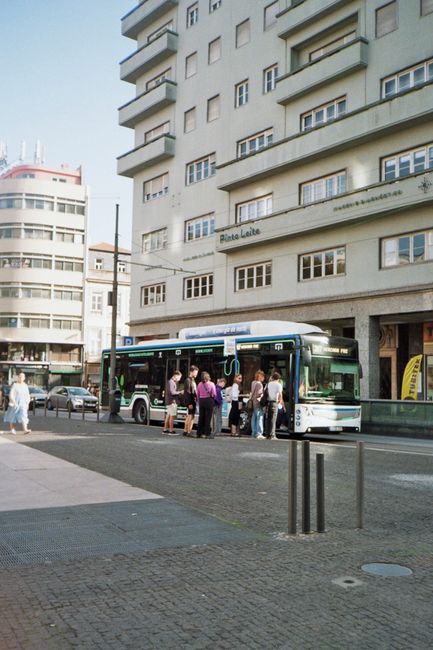
- Stagecoach travel typically costs 40% less than equivalent rail journeys.
- Bus travel requires more time than private car usage or express rail.
- Fixed-fare models provide better budget stability for daily commuters.
- Private vehicles offer speed but face rising fuel and maintenance costs.
How Public Transport Budget Planning Affects Daily Commutes
As we look toward 2027, choosing between Stagecoach services and private transport comes down to a clear trade-off between predictable costs and travel time. If you prioritize budget stability, Stagecoach's fixed-fare models often beat rail alternatives, which frequently see price spikes during peak hours. You can expect to pay roughly 40% less on a regional bus route than you would on a comparable rail journey. But you must account for the extra hour of travel time. For many commuters, that hour is the dealbreaker. If your schedule is rigid, you might find the bus insufficient. However, for those with flexibility, the cost savings remain the primary draw for the year ahead.
Regional Public Transit Price Trends for 2027
Rail travel offers speed, but the pricing structure remains volatile. According to recent transport data, rail fares often fluctuate based on demand, whereas Stagecoach maintains a consistent fare structure. You avoid the 'peak-time' penalty that makes rail travel expensive for office workers. Furthermore, rail networks often suffer from infrastructure delays that are harder to bypass. Buses can reroute through local streets, providing a level of agility that fixed-track systems simply cannot match.
Commuting Time vs. Cost: Is the Trade-off Worth It?
Private vehicle ownership includes hidden costs that often surprise commuters. When you factor in fuel, insurance, and parking, the cost of driving to work often exceeds £300 per month. By contrast, a monthly Stagecoach pass is significantly lower. You trade the convenience of your own seat for a monthly savings of nearly 60%. If your primary goal is bottom-line efficiency, the bus is the logical choice for 2027.
How Transit Reliability Impacts Commuter Costs
Buses are beholden to traffic patterns. If you rely on a bus, you must accept that external factors like road accidents or construction will affect your arrival time. You should always check the live tracking features provided in the Stagecoach app before leaving home. It provides a real-time view of where your vehicle is located. This transparency helps mitigate the frustration of an unexpected delay.
How to Calculate Your Annual Commute Savings
To find your true cost, write down your total weekly spend on fuel and parking. Compare this to the cost of a weekly Stagecoach pass for your specific route. Most commuters find that switching to public transport saves them at least £1,500 annually. You can perform this calculation on your own bank statement from the previous three months to verify the potential gain.
Alternative Commuting Options for 2027
On-demand ride-sharing services are growing, but they remain expensive for daily use. While these services offer door-to-door convenience, they often cost four times as much as a bus ticket. For infrequent trips, they are excellent. For a daily commute, however, they will quickly erode your disposable income. Stick to scheduled transit for the bulk of your travel needs.
The Hidden Costs of Public Transit Systems
The main downside is the lack of personal space. You are sharing your commute with dozens of others, which limits your ability to take calls or work in silence. Additionally, you are tied to the published timetable. If you miss your bus, you may wait 20 to 30 minutes for the next one. This lack of spontaneity is the price you pay for low-cost travel.
Frequently asked questions
You can reduce commuting costs by analyzing fare structures, opting for monthly transit passes over single-ride tickets, and utilizing employer-sponsored transit benefit programs.
Not necessarily. While rail often has higher base fares, it can be more cost-effective for long-distance commuters when factoring in time savings and reduced vehicle maintenance costs.
Yes, AI-driven platforms can optimize routes by identifying the most cost-efficient transit combinations and real-time delays, helping commuters avoid unnecessary expenses.