Is Watching a Chiefs Game Worth the Cost? A Practical Analysis
- The Chiefs game represents a three-hour fixed time investment.
- Home viewing offers a higher ROI than stadium attendance for most.
- Opportunity costs include personal productivity or alternative media.
- Sunday scheduling creates a competition for your attention.
How to Calculate the Opportunity Cost of Watching NFL Games
The Chiefs game is on today, making it the primary focal point for fans across the region. If you are debating whether to commit your afternoon to the broadcast, you are essentially performing a quick cost-benefit analysis. You have three hours of high-stakes football sitting on one side of the ledger. On the other side sits your to-do list, potential household maintenance, or simply the need for rest before the work week begins. For many, the choice is automatic, but viewing the game as a professional allocation of resources changes how you approach the experience. Is the entertainment value worth the three-hour block of time removed from your personal schedule?
Is the Financial Cost of Attending NFL Games Justified?
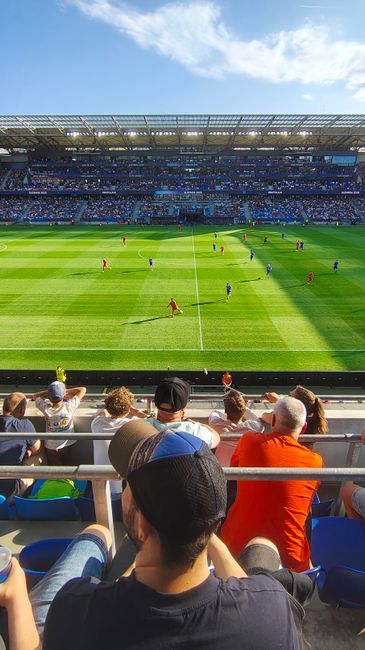
Attending the game in person is an entirely different financial proposition than watching from your couch. While a home broadcast costs essentially nothing beyond your existing cable or streaming subscription, in-person tickets often reach triple digits per seat. Add in the cost of parking, which can run upwards of $40 depending on the lot, plus stadium concessions. You are looking at a total expenditure that often exceeds $200 for a single person. Contrast this with the home experience, where the barrier to entry is zero and you retain total control over your environment. Unless you are seeking the communal energy of a live crowd, the financial efficiency of the home setup is objectively superior. Most fans find that the increased comfort and reduced overhead make the home broadcast the more logical choice for a standard Sunday.
How Sports Fans Can Balance Leisure Time and Productivity
Time is the only resource you cannot replenish, which makes the three-hour duration of an NFL game a significant commitment. If you spend that time watching the Chiefs, you are choosing to delay other tasks that might offer a higher long-term return. This could be meal prepping for the week ahead, exercising, or engaging in professional development. But don't underestimate the value of leisure. If the game provides genuine mental decompression, it acts as a functional reset for your brain. The downside arises when you finish the game feeling more drained than when you started. If your goal is to optimize your Sunday, track your energy levels after the final whistle. If you feel recharged, the game provided value. If you feel unproductive, you might consider splitting the game into quarters or watching the highlights later.
NFL Game Ticket Prices vs. Home Viewing: A Cost Comparison
The broadcast is not the only thing vying for your Sunday. Other streaming platforms and networks offer a wide variety of content that does not require a three-hour commitment. You could catch a documentary series or a shorter film, which allows for more flexibility in your schedule. Some people find that watching the game while multitasking—such as folding laundry or responding to low-priority emails—mitigates the opportunity cost. However, multitasking often dilutes the quality of both tasks. You might find it more effective to choose one: either focus on the game entirely or step away from the screen to finish your chores without distraction. Prioritizing one task over the other usually yields better results than trying to force both into the same window.
Frequently asked questions
To calculate opportunity cost, multiply the hours spent watching a game by your hourly wage or the value you place on your personal time. Compare this total against the enjoyment gained to determine if the activity provides a positive return on investment.
The value of watching an NFL game depends on your personal utility. If the entertainment provides stress relief or social connection, it may justify the time spent. If the time could be used for high-impact tasks, the opportunity cost may outweigh the benefits.
Attending an NFL game involves costs beyond the ticket price, including parking, stadium concessions, travel, and potential lodging. These costs often total hundreds of dollars, making home viewing a significantly more cost-effective alternative.