How California Lottery Revenue Actually Funds Public Schools
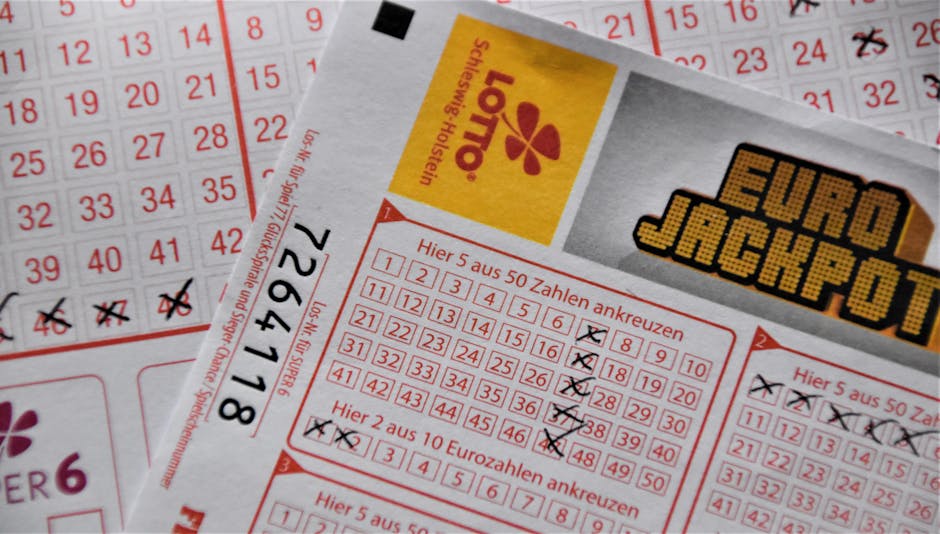
- Most lottery revenue supports California public schools.
- Ticket sales act as a supplemental budget for classrooms.
- Digital platforms are changing how players interact with games.
- Understanding the odds is essential before playing.
How much does the California Lottery give to schools?
The California Lottery directs a mandatory portion of its revenue toward public education, ensuring that for every dollar spent on tickets, a specific slice supports classrooms across the state. This funding model means your participation directly impacts local school budgets rather than just filling a corporate vault. While critics point out that these returns represent only a small fraction of total education spending, the contribution remains a vital supplemental resource for many districts. If you play, understand that your ticket purchase acts as a micro-contribution to public schools. It is a system built on high volume, where small individual bets aggregate into millions of dollars for teachers and students. You are essentially participating in a state-run revenue stream.
Where does California Lottery money go?
The primary shift in the lottery involves the move toward digital platforms and automated retail kiosks. These changes make it easier to play, but they also mask the true cost of participation for the average user. Because the lottery functions as a form of regressive taxation, those with the least disposable income often contribute the highest percentage of their earnings. It is important to look at the payout ratios before you decide to participate. For many games, the state returns less than sixty percent of ticket sales to players as prizes. The rest goes to administrative costs and school funding. Before you buy, check the specific game odds on the official California Lottery website. You should treat these tickets as entertainment, not as a reliable investment strategy for your personal finances.
How California Public School Funding Models Work
Relying on gambling to fund essential public services creates a conflict of interest. When the state depends on lottery sales to bolster school budgets, it incentivizes the promotion of games that may not be in the best interest of the public. Some analysts argue that this creates an unstable revenue source that fluctuates based on economic conditions. If the economy slows down, school funding feels the immediate pressure. But the state maintains this model because it avoids the political friction of raising traditional taxes. It is a trade-off between fiscal convenience and the social impact of promoting gambling. You have to decide if the convenience of this funding method outweighs the social costs.
How to Track California Lottery Contributions
You can track how much your specific region receives by reviewing the annual reports provided by the lottery commission. These documents break down the exact dollar amounts sent to local school districts. Do not rely on marketing materials for this data. Instead, visit the official state portal to see the raw figures. If you find yourself spending more than you intended, the state provides resources for problem gambling. Use these tools if the game stops being fun. Being a smart participant means knowing the math and understanding that the house edge is intentionally designed to benefit the public school system first.
Frequently asked questions
By law, at least 34% of lottery revenue is allocated to public education. The exact dollar amount varies annually based on total ticket sales and operational costs.
No. Lottery funds represent only about 1% to 2% of total public school funding in California. The vast majority of school funding comes from the state general fund and local property taxes.
Funds are allocated to school districts based on the Average Daily Attendance (ADA) of students, ensuring that districts receive a proportional share based on their enrollment size.
Related reading

Kirk Herbstreit’s Career Strategy: Lessons in Professional Longevity
How to Build an Independent Career: Lessons from the Creator Economy