Wichita Boil Water Advisory: Safety Steps and Guidelines
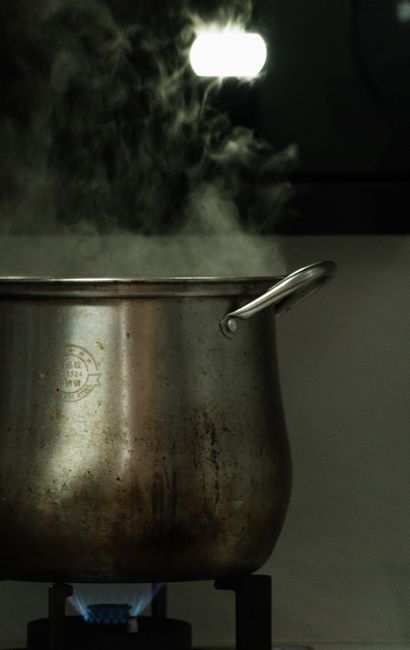
- Bring water to a rolling boil for at least one full minute.
- Disable automatic ice makers and discard existing ice.
- Use bottled or previously boiled water for brushing teeth.
- Check the official City of Wichita website for status updates.
What are the official Wichita water safety guidelines?
If you are under a boil water advisory in Wichita, you must bring all tap water to a rolling boil for at least one full minute before using it. This is the only way to effectively kill bacteria, viruses, and parasites that may be present in the supply. Don't rely on standard water filters or coffee makers, as they are rarely hot enough to sanitize the water. Staying safe means changing your kitchen routine for a few days. So, keep a pot on the stove and prioritize bottled water whenever possible. Your health depends on following these strict guidelines until officials lift the order.
How to sanitize tap water effectively at home
Most home coffee makers do not reach the sustained temperature needed to kill harmful pathogens. Even if your machine reaches 200 degrees Fahrenheit, it usually flows through the grounds too quickly. According to the CDC, you should use bottled water or water that has already been boiled for one minute to make your morning brew. If you absolutely must use tap water, run it through the machine and then boil that resulting coffee for a full minute. It tastes worse, but it is much safer than risking an infection. This is a common point of frustration for many.
Is tap water safe in Wichita for drinking and cooking?
Turn off your automatic ice dispenser immediately when a boil water advisory is active. Most refrigerators use a simple carbon filter that removes odors but does not sanitize the water. The ice sitting in your freezer tray likely contains contaminated water from before the advisory began. Empty the bin and scrub it with a solution of one tablespoon of bleach per gallon of water. Don't turn the ice maker back on until the city officially declares the water safe to drink. Buying a bag of ice from a store is the safest alternative.
Is it safe to brush my teeth during a boil water advisory?
Never use tap water to brush your teeth during a boil water advisory. It is far too easy to accidentally swallow a small amount, which could lead to illness. Use bottled water or water that has been boiled and cooled for all oral hygiene tasks. This applies to everyone in your home, especially children who are more likely to ingest water while brushing. If you are worried about the cost, remember that a few gallons of bottled water is much cheaper than a doctor’s visit.
Should I avoid washing dishes during a boil water advisory?
You can wash dishes, but you must be careful. If your dishwasher has a high-heat sanitize cycle, it may be effective. However, many standard home units do not reach the 160-degree threshold required to kill bacteria. Check your manual to confirm the operating temperature before trusting the machine. Alternatively, wash your dishes by hand in hot, soapy water, then soak them for one minute in a solution of one tablespoon of bleach per gallon of lukewarm water. Let the dishes air dry completely before use.
How do I know when the Wichita water is safe to drink?
Monitor the official City of Wichita website or their social media channels for the latest status updates. Officials will issue a formal notice once laboratory testing confirms the water is clean. Do not assume the water is safe just because you haven't heard new reports. Sometimes, testing takes longer than expected, which creates a slight delay in lifting the order. Check the site at least twice daily. Following these official updates is the only way to know when you can return to your normal routine.
Frequently asked questions
No, you should not drink tap water during an advisory. Use bottled water or bring tap water to a rolling boil for at least one minute before drinking, cooking, or preparing food.
You must bring water to a full, rolling boil for at least one minute. This is sufficient to kill bacteria, viruses, and parasites that may be present in the water supply.
Yes, you can generally shower or bathe, provided you do not swallow the water. Use caution with infants or individuals with open wounds or compromised immune systems.
If possible, use disposable plates and utensils. If you must wash dishes, use a dishwasher on the sanitize cycle or rinse washed dishes in a solution of one tablespoon of unscented bleach per gallon of water.