Boeing 737-10 Certification Status and Software Update Timeline
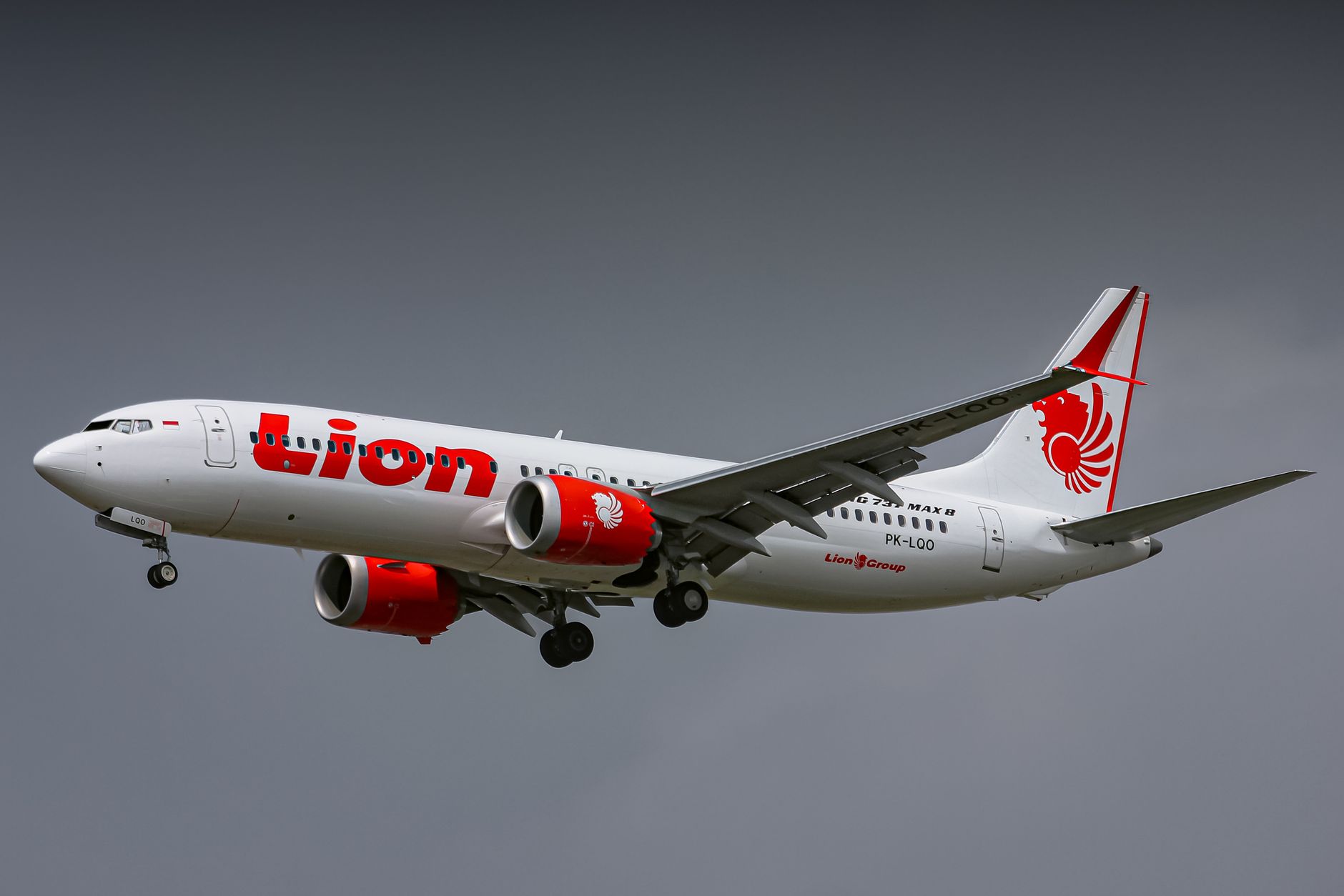
- The Boeing 737-10 certification timeline remains unaffected by a identified software issue.
- Engineers are addressing the glitch without requiring a pause in the regulatory approval process.
- Travelers should expect no changes to airline schedules or safety protocols due to this specific event.
- Regulators continue to oversee the testing phases to ensure all systems meet safety standards.
Is the Boeing 737-10 Software Update Causing Certification Delays?
A software issue currently being addressed by Boeing will not delay the certification of the 737-10, according to reports from October 8, 2026. While technical glitches are common during the final stages of aircraft development, this particular finding does not disrupt the established regulatory timeline. Aviation authorities continue their oversight as the manufacturer works through the necessary adjustments. It is important for passengers to understand that this development is a standard part of the rigorous testing phase required for any new aircraft model. The certification process remains on track, and the software fix is currently being integrated into the existing testing framework. So, the path toward full flight readiness remains clear for now.
Current Boeing 737-10 Flight Readiness and Certification Status
Technical software updates are a routine part of modern aviation, yet they often draw significant attention when they occur during certification. According to information released on October 8, 2026, the issue is contained and manageable within the current development cycle. This means that airline operators expecting the 737-10 to join their fleets do not need to adjust their long-term planning or delivery schedules. But why does this garner such high levels of public interest? Because safety remains the primary focus of every regulator and manufacturer. When a software issue is identified, it is corrected and verified long before a plane carries a single passenger. This process ensures that by the time the aircraft is cleared for commercial service, the software is fully stable. If you are a traveler, you won't notice a thing. The focus remains on rigorous testing rather than public-facing delays. While the specific nature of the software code is not detailed in the public report, the consensus is that it represents a standard engineering hurdle rather than a systemic failure. Keep an eye on official aviation updates if you are tracking specific delivery timelines.
- Software Issue Will Not Delay Boeing 737-10 Certification — Google News, Oct 8, 2026
Frequently asked questions
Boeing continues to work toward 737-10 certification, with specific timelines contingent upon FAA approval and the successful completion of rigorous flight testing protocols.
The software update is part of standard iterative testing and refinement processes designed to meet FAA safety requirements and ensure the aircraft meets all performance standards before entering service.
The 737-10 is the largest variant in the 737 MAX family, designed to offer increased passenger capacity while maintaining high levels of commonality with other models in the fleet.