How to Care for and Style Vintage Bob Mackie Beaded Gowns
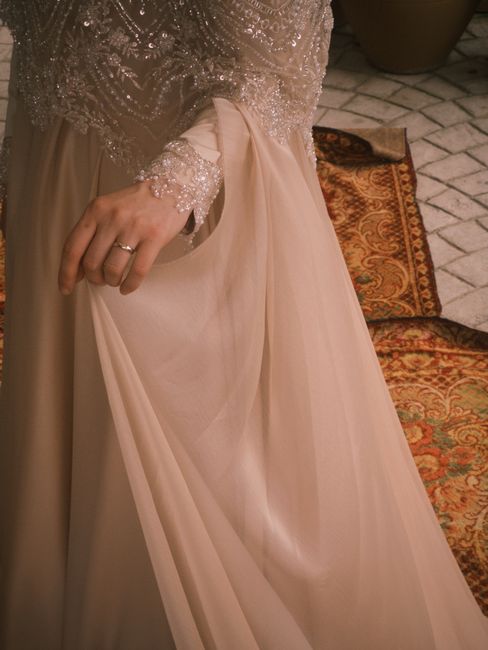
- Never hang heavy beaded gowns; store them flat in acid-free tissue.
- Avoid permanent alterations to maintain the garment's resale value.
- Style vintage pieces with modern, clean accessories to avoid a costume look.
- Inspect linings for shattering before purchasing secondhand.
How to properly store beaded gowns?
Wearing or collecting a Bob Mackie piece requires balancing high-fashion drama with extreme garment caution. The most common mistake is treating these intricate, hand-beaded creations like standard evening wear. Mackie designs often feature complex internal corsetry and delicate silk foundations that degrade rapidly under stress. If you own a piece, you must ensure the weight of the beading is supported correctly to prevent fabric tears. Never hang a heavy beaded gown by its straps, as the weight will inevitably cause the fabric to stretch or snap. Instead, store these pieces flat in acid-free tissue paper to maintain their structural integrity for decades. Treat your Mackie wardrobe as a fragile art installation, not just a dress for a night out.
Essential Bob Mackie styling tips
Most collectors make the mistake of using standard wire hangers for heavy, embellished gowns. This is a recipe for disaster. The weight of thousands of glass beads creates immense tension on the shoulder seams. Instead, lay your gown flat in a large, acid-free archival box. Use buffered tissue paper between every fold to prevent sequins from scratching the fabric underneath. If you lack space, use a padded hanger designed for heavy garments, but only for short-term display. Never keep a gown in a plastic garment bag. Plastic traps moisture and causes the dyes in vintage silks to bleed or yellow over time. You should check your storage area every six months to ensure no humidity buildup is occurring. Proper climate control, ideally between 65 and 70 degrees, keeps the natural fibers from becoming brittle. By spending $30 to $50 on proper archival materials, you protect an investment that may be worth thousands.
Why protecting delicate evening wear is essential
Altering a vintage Mackie is a high-stakes move that often destroys the piece's value. If you must adjust the fit, seek out a specialist who understands couture construction rather than a standard local tailor. The primary risk is the internal structure, which often includes elaborate boning and silk linings that are difficult to replicate. A common mistake is removing too much fabric, which makes the garment impossible to restore to its original state. Always ask for a reversible alteration, such as taking in seams without cutting the excess fabric. If the piece is a runway original, any permanent modification could slash its resale value by 50% or more. Before touching the needle, consider if the garment can be styled differently with belts or layering instead of structural changes. If you proceed, document the original state with clear photos. This ensures you have a record of the architecture if you ever decide to sell the gown to a serious collector.
How to style beaded Mackie pieces for a modern look
Styling a vintage Mackie piece requires a modern touch to keep it from looking like a costume. The biggest mistake is pairing a heavily embellished gown with period-accurate, over-the-top hair and makeup. Instead, balance the drama of the beadwork with understated, clean beauty choices. A sleek, center-parted hairstyle or a minimalist makeup palette lets the gown speak for itself. You should also mix in contemporary accessories. Swap out vintage pumps for a modern, architectural heel to ground the look in the present. If the piece is a highly decorative bodice, pair it with simple, tailored high-waisted trousers rather than a matching skirt. This creates a high-low contrast that feels fresh and intentional. Remember, the goal is to honor the designer's vision while acknowledging your own style. By keeping the rest of the look quiet, you ensure the garment remains the focal point of your outfit rather than a caricature of a past decade.
What to look for when buying secondhand Bob Mackie
When hunting for a Mackie, the most common mistake is ignoring the condition of the lining. Buyers often get distracted by the exterior beadwork, which is usually in better shape than the delicate interior foundation. You must examine the silk or rayon lining for "shattering," which occurs when the fabric becomes brittle and splits under the pressure of the beads. Check the underarms for sweat stains, as these salts can cause permanent damage to vintage silks. Always ask the seller for photos of the interior labels and the condition of the zippers. A missing bead or two is normal and expected for a garment that might be 30 or 40 years old. However, large gaps in the pattern indicate poor repair or heavy stress. If you are buying online, request a photo of the garment laid flat against a measuring tape. This helps you confirm the dimensions before you commit to a purchase. Do not be afraid to walk away if the seller refuses to provide detailed photos of the interior.
Why does beading fall off vintage gowns?
Beads fall off due to the natural degradation of the thread used to secure them. Over time, the silk thread becomes dry and snaps, releasing rows of glass or plastic embellishments. The mistake here is trying to fix this with standard sewing thread. Modern synthetic threads are often too thick or too strong for the delicate fabric, which can cause the fabric to tear further. You should use fine silk thread that matches the weight of the original material. If you are not experienced in beadwork, it is better to leave the missing area alone until you can find a professional conservator. Trying to glue beads back on is a critical error that ruins the fabric permanently. Glue leaves residue and hardens, preventing the fabric from draping correctly. If you find a loose thread, tie it off gently rather than pulling it. This prevents a small repair from turning into a major loss of detail.
How to handle and maintain heavy sequined garments
Heavy sequined Mackie pieces require careful handling to avoid accidental snags. The most common mistake is wearing jewelry that catches on the sequins, such as chunky bracelets or large rings. These accessories can pull entire lines of beading off in seconds. Keep your accessories minimal and smooth to protect the dress. When putting the garment on, avoid rushing. Take your time to step into the gown and avoid pulling it over your head if it has a side zipper. Pulling a heavy piece over your head puts immense stress on the shoulder seams and neckline. If you must move, be mindful of where you sit. Avoid chairs with rough textures or protruding hardware that could snag the delicate mesh foundations. You should also avoid spraying perfume directly onto the gown, as the alcohol can cloud the finish of vintage sequins. Treat every moment of wear as a performance, and your Mackie will survive for years to come.
Frequently asked questions
Store beaded gowns flat in acid-free tissue paper to prevent weight-related stretching. Avoid hanging them, as the weight of the beads can cause the fabric to tear or lose its shape over time.
No, vintage beaded gowns should never be machine washed or submerged in water. Professional dry cleaning by a specialist familiar with vintage textiles is the only safe way to clean them.
Secure loose threads immediately to prevent further loss. For missing beads, source period-accurate replacements and use a fine needle and silk thread to carefully stitch them back into the original pattern.