How to Choose the Best RAM for AI Workstations and LLM Training
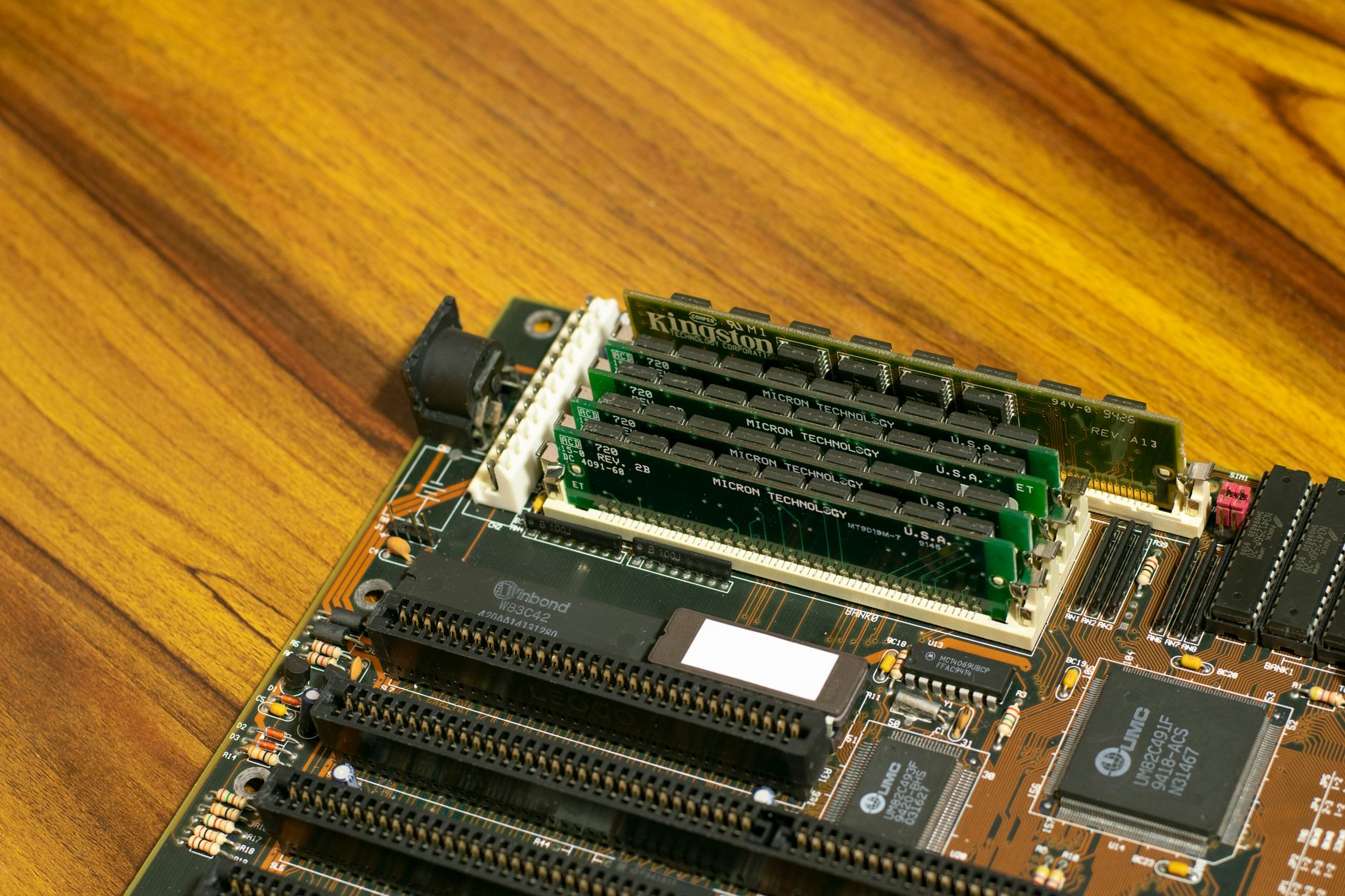
- AI data centers are buying up the global supply of high-performance memory.
- Consumer gadgets face price hikes due to this scarcity of components.
- Higher capacity and speed requirements are driving the cost of upgrades.
- Check current market listings to see the latest price shifts.
How much RAM do you need for LLM training?
RAM is expensive right now because the rapid expansion of AI infrastructure creates a massive bottleneck in the global semiconductor supply chain. Data centers require vast amounts of high-bandwidth memory to train and operate large language models. As manufacturers prioritize these high-margin server components, the supply available for consumer PCs and laptops decreases significantly. This shift in production capacity forces hardware prices upward across the entire consumer electronics sector. You are no longer just buying memory for your own machine. You are competing with companies building massive AI clusters that consume hardware by the truckload. These higher costs remain a standard feature of the market while demand for AI compute capacity continues to grow. Check current prices regularly as these trends fluctuate.
Why DDR5 for AI is the new standard
Selecting the right memory depends on your specific workflow. If you perform heavy local AI modeling, you need capacity above all else. For general workstation use, speed and latency matter more. Here are the top choices for your build.
1. High-Capacity DDR5: This is the best choice for running local LLMs and data science tasks. It provides the headroom needed for large datasets. The downside is the premium price per gigabyte.
2. Low-Latency DDR5: This choice suits gamers and content creators who need fast response times. It excels in performance-heavy environments. The downside is that it offers less total capacity compared to high-density kits.
3. ECC RAM: This is for users who prioritize system stability during long-running processes. It prevents errors that can crash deep learning jobs. The downside is that it requires a compatible motherboard and processor.
4. DDR4 Kits: These remain the most cost-effective option for legacy systems. They are sufficient for basic computing and light office work. The downside is that they lack the bandwidth for modern AI applications.
Optimizing RAM capacity for machine learning workflows
We ranked these memory types based on their utility for modern computing tasks. Our primary criteria included raw capacity, data transfer speeds, and system stability for intensive workloads. We also considered the availability of these components during current market shortages. Options that support modern hardware architectures ranked higher than older standards. We prioritize reliability for users who need their machines to run without errors.
| Option | Best Use Case | Downside |
|---|---|---|
| High-Capacity DDR5 | Local AI modeling | High cost |
| Low-Latency DDR5 | Gaming | Lower capacity |
| ECC RAM | Stable workstations | Hardware compatibility |
| DDR4 Kits | Legacy upgrades | Lower bandwidth |
- Why Is RAM So Expensive? How the AI Boom Is Raising the Price of Every Gadget You Buy — Google News, Oct 11, 2026
Add NewsPulse Time as a preferred source on Google
Frequently asked questions
For local LLM training, 64GB is the minimum requirement, but 128GB or more is recommended for larger models to prevent data bottlenecks and system crashes.
Yes, DDR5 is the new standard for AI because it offers significantly higher bandwidth and faster data transfer rates compared to DDR4, which is essential for processing large datasets.
Yes, higher memory bandwidth reduces latency during data transfers between the CPU and GPU, which directly improves training speeds and overall system efficiency in machine learning workflows.
Related reading

FreeCast Named Best Streaming Technology Platform of 2026

Gelion Sulfur Battery Technology: Advancing High-Power EV Performance

The Evolution of Battery Technology and American Energy Innovation
