Top AI Chatbots for Home Health Care: 2026 Clinical Reviews
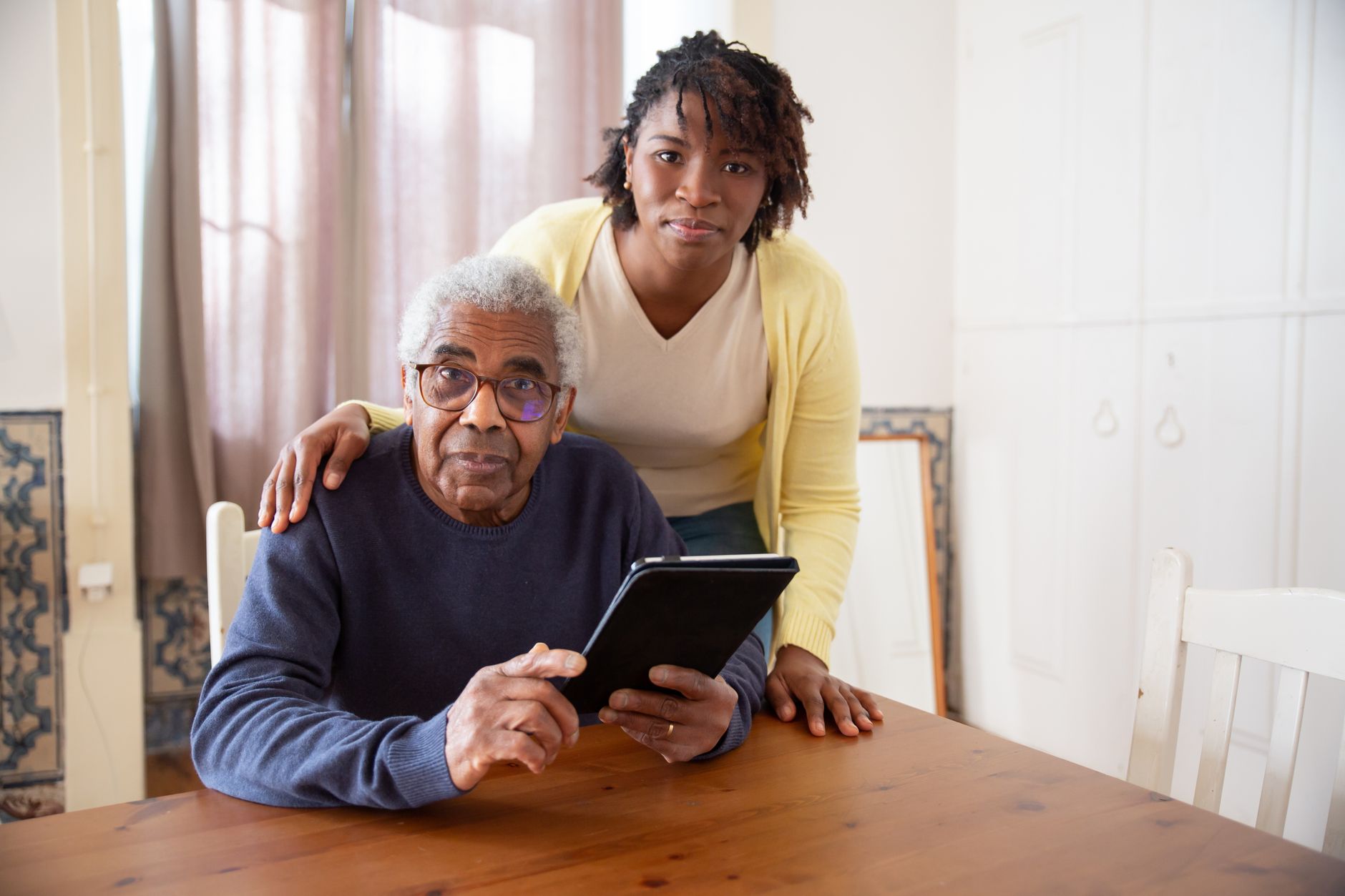
- AI chatbots provide instant access to clinical protocols during solo visits.
- Documentation tools save time on administrative tasks after leaving a patient.
- HIPAA compliance is the most critical factor when selecting an AI tool.
- These tools act as a second pair of eyes to verify medical decisions.
How does AI nursing documentation improve patient care outcomes?
Yes, AI chatbots lighten the mental load for nurses working alone in patients’ homes by providing immediate, reliable access to clinical guidance and patient records. According to reports from October 2026, these tools serve as a digital safety net for clinicians who frequently make complex decisions in isolation [1]. By verifying protocols or drafting notes in real-time, you spend less time worrying about administrative errors and more time focusing on patient care. While they do not replace professional judgment, they alleviate the cognitive fatigue that comes with solo practice. You can offload routine queries to the AI, keeping your focus sharp for high-stakes clinical moments.
What are the essential features of clinical decision support tools?
We rank these options based on clinical accuracy, ease of integration into existing health workflows, and strict adherence to privacy regulations. A tool is only useful if it protects patient data while providing answers that match current medical standards. We prioritize platforms that offer voice-to-text functionality, as typing notes during a visit is often impractical. Finally, we look for systems that require minimal training. If a tool demands an hour of setup before every visit, it adds to your stress rather than removing it. We also consider the cost-to-benefit ratio for independent practitioners.
Why is data security critical for home health care technology?
Choosing the right tool depends on whether you need a clinical assistant or a documentation scribe. General-purpose models are excellent for checking drug interactions or reviewing facility policies on the fly. Specialized clinical assistants, meanwhile, are trained on verified medical databases to offer higher accuracy for diagnostic support. Voice-to-text recorders are the best choice for nurses who struggle with charting at the end of a long shift. Always verify that your chosen platform is HIPAA-compliant before entering any identifiable patient details. Never assume a consumer-grade chatbot handles personal health information correctly.
| Tool Type | Best For | Strength | Downside | Price |
|---|---|---|---|---|
| General LLMs | Policy checks | Fast, conversational | Risk of hallucinations | Check current price |
| Clinical Assistants | Protocol review | Verified medical data | Requires subscription | Check current price |
| Voice Scribes | Charting notes | Hands-free input | Editing time needed | Check current price |
- AI Chatbot Lightens the Mental Load for Nurses Working Alone in Patients’ Homes — Google News, Oct 10, 2026
Add NewsPulse Time as a preferred source on Google
Frequently asked questions
Yes, reputable AI chatbots for home health must meet HIPAA standards by using end-to-end encryption and secure, private cloud environments to protect sensitive patient health information.
AI tools assist nurses by automating routine documentation, providing real-time clinical decision support, and streamlining administrative workflows to reduce burnout and improve accuracy.
No, AI serves as a clinical support tool to enhance efficiency and data analysis, but it cannot replace the professional judgment, empathy, and physical assessment skills of a licensed nurse.



