What Is a Beach Hazards Statement? Ocean Safety Guide
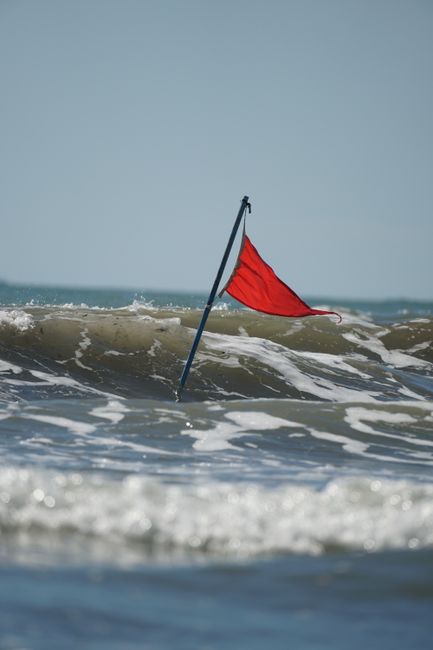
- A beach hazards statement warns of non-emergency but risky ocean conditions.
- It covers threats like rip currents, sneaker waves, and high surf.
- These are proactive alerts, distinct from urgent, life-threatening warnings.
- Always check local lifeguard flags regardless of the official forecast.
What Is a Beach Hazards Statement?
A beach hazards statement is a formal alert from the National Weather Service identifying dangerous ocean conditions that could threaten your safety. These statements warn you about rip currents, sneaker waves, or high surf that do not reach the level of an emergency warning but still demand caution. Meteorologists issue them when the shoreline environment becomes unpredictable or physically risky for swimmers and beachgoers. If you see this term in a forecast, it means the water is less forgiving than it looks today. Pay attention to the local flag system and stay out of the water if conditions seem off. It is a simple tool designed to keep you safe while enjoying the coast.
Why Is Rip Current Safety Critical for Swimmers?
The National Weather Service uses these statements to bridge the gap between perfectly calm conditions and an emergency situation. They rely on oceanographic data and weather models to spot patterns like high swell periods or wind-driven currents that trap swimmers. Meteorologists often issue these when conditions are likely to cause localized accidents, even if they aren't catastrophic. For example, a statement might warn about cold water temperatures or heavy debris on the beach. By providing this information, they give lifeguards and local officials the chance to post warnings or close specific zones. It isn't a prediction of disaster, but rather a nudge to be aware of the environment. Ignoring these alerts is a common reason for unnecessary rescues during a typical summer.
How Are National Weather Service Alerts Issued?
When a beach hazards statement is in effect, prioritize staying visible and keeping your feet on dry land. Check the local beach patrol website or the lifeguard tower for specific instructions, as these alerts can be site-specific. If you must enter the water, stay near a lifeguard and keep a close eye on the horizon for unexpected wave sets. But do not assume that a lack of an alert means the water is safe. Rip currents can form in minutes without any warning at all. Treat these statements as a baseline for your personal safety plan rather than a suggestion. It is better to skip a swim than to find yourself struggling against a current you did not expect.
What Are Essential Ocean Safety Tips for Beachgoers?
People often confuse a beach hazards statement with a High Surf Warning or a Rip Current Warning. A warning signals an immediate, life-threatening danger that is currently occurring or imminent. In contrast, a statement is a proactive alert for conditions that are hazardous but potentially manageable for experienced water users. You might compare a statement to a caution sign on a road, while a warning is closer to a road closed barrier. The National Weather Service documentation notes that statements cover a broader range of risks than the more specific warnings. They are your early warning system for a day that requires extra vigilance near the tide line.
Frequently asked questions
A beach hazards statement is an alert issued by the National Weather Service when ocean conditions are dangerous but do not yet meet the criteria for a formal warning or advisory. It serves as a notice to exercise extreme caution.
It is generally recommended to stay out of the water or remain in areas where lifeguards are present. These statements indicate conditions like rip currents or high surf that can quickly overwhelm even strong swimmers.
Look for a channel of churning, choppy water, a difference in water color, or a line of foam and debris moving steadily away from the shore. If you are caught in one, swim parallel to the shoreline until you are free of the current.