Why Is Bangalore Getting Hotter? Understanding the City’s Climate Shift
- Average temperatures have risen by 1 to 2 degrees Celsius over the last decade.
- Urban heat islands are trapping warmth, making nights feel significantly hotter.
- Rainfall patterns are shifting from steady drizzles to short, intense downpours.
- Infrastructure stress is increasing, impacting power and water storage needs.
Why is Bangalore getting hotter?
Bangalore’s legendary cool climate is fading, replaced by rising temperatures and unpredictable rainfall cycles. You can no longer rely on the city’s historic reputation for mild weather to guide your daily wardrobe or home cooling needs. Average maximum temperatures have shifted upward by roughly 1 to 2 degrees Celsius over the last decade, according to regional climate observation reports. This change isn't just about feeling warmer; it's about the loss of the city's natural cooling buffers as concrete replaces greenery. So, the city is changing. You need to adjust your expectations for the year, as the days of relying solely on ceiling fans are effectively ending.
How the urban heat island effect impacts Bangalore
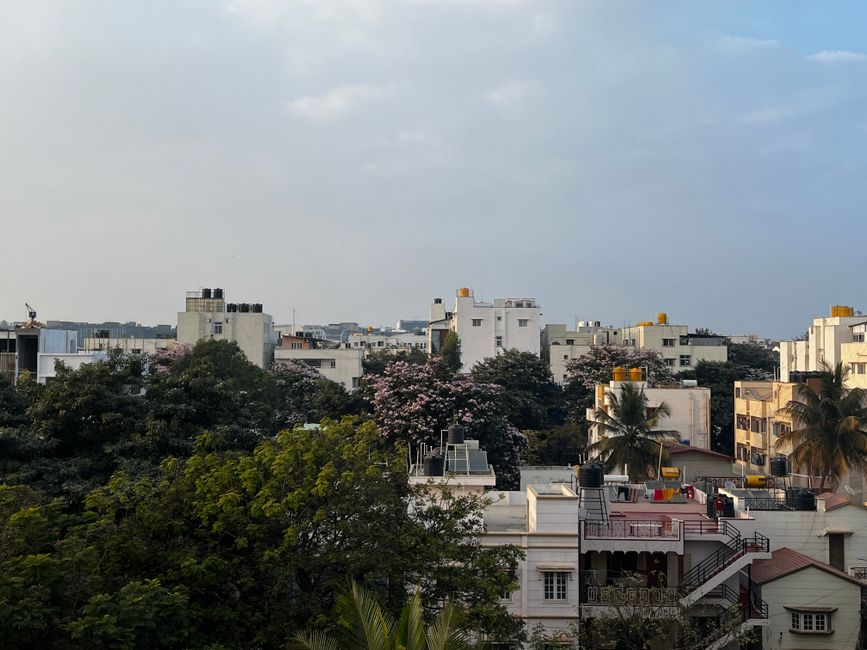
The primary driver behind this temperature spike is the urban heat island effect. As the city expands, concrete buildings and asphalt roads absorb solar radiation during the day and release it slowly at night. This process prevents the city from cooling down after sunset, which was a hallmark of Bangalore’s past climate. Data from local weather stations indicates that night-time minimum temperatures are rising faster than daytime peaks. But it is not just about the buildings. The loss of tree cover and open green spaces means there is less moisture to evaporate and naturally lower the ambient temperature. When you remove the trees, you remove the city's natural air conditioning system.
Is Bangalore’s Climate Shift Permanent?
You have likely noticed that the rain feels different than it did a few years ago. Instead of the long, steady drizzles that defined the monsoon, Bangalore now experiences short bursts of high-intensity rainfall. These events often overwhelm the city's drainage systems, leading to localized flooding even after relatively short storms. The shift toward extreme weather means that traditional gardening and water harvesting schedules are no longer accurate. According to meteorological observations, the total volume of rain may remain consistent, but the frequency and intensity have changed drastically. It forces residents to rethink how they manage water runoff and property drainage during the peak monsoon months.
How Rising Temperatures Affect Daily Life in Bangalore
The shift in weather creates a significant strain on residential infrastructure. Higher temperatures lead to a sharp increase in electricity demand for air conditioning, which can cause grid instability during peak hours. Furthermore, the erratic rainfall makes it harder to rely on traditional groundwater recharge methods. You might find that your electricity bills are roughly 20 to 30 percent higher during the summer months compared to historical averages. This isn't just a minor inconvenience; it is a direct financial cost of the changing environment. If you are renting or buying, look for homes with better cross-ventilation or modern insulation to mitigate these rising costs.
How to Monitor Bangalore’s Changing Weather Patterns
Stop relying on general forecasts that cover the entire state. Because Bangalore’s topography varies, weather in Whitefield can be drastically different from what you experience in Malleshwaram. You should check hyper-local weather apps that use sensor networks positioned throughout the city. Look for services that provide real-time updates on precipitation intensity rather than just percentage chances. Using these localized tools allows you to plan your commute around heavy rain or heat spikes more effectively. It is a small step, but it gives you back some control over your daily schedule.
Frequently asked questions
Bangalore is getting hotter primarily due to the urban heat island effect, caused by rapid urbanization, loss of green cover, and an increase in concrete surfaces that trap heat.
The urban heat island effect occurs when a city experiences significantly warmer temperatures than its surrounding rural areas because buildings, roads, and infrastructure absorb and re-emit the sun's heat.
While weather fluctuates, the trend of rising temperatures in Bangalore is considered a long-term shift driven by structural changes to the city's landscape, making it a permanent climatic challenge.