How Atletico Madrid’s Business Model Drives Financial Success
- Atletico Madrid prioritizes defensive structure and collective effort over individual flair.
- The club relies on a self-sustaining financial model involving player trading and stadium revenue.
- Stability under long-term management allows the team to maintain a consistent tactical identity.
- Success depends heavily on consistent Champions League qualification for financial health.
How does the Atletico Madrid business model generate revenue?
Atletico Madrid operates as a professional football club centered on high-intensity defensive structure and tactical discipline. It functions as a business entity where success on the pitch directly dictates revenue streams through broadcasting rights, ticket sales, and player transfers. The club competes in La Liga and consistently targets top-four finishes to secure Champions League qualification. By prioritizing a one-game-at-a-time philosophy, the team maintains a consistent identity under long-term leadership. Success is not just about scoring goals; it is about preventing them through collective effort. This approach turns the pitch into a chess match where patience often beats pure speed. You can follow their performance in current league tables to see how this strategy plays out weekly.
What defines the Diego Simeone tactical philosophy?
Diego Simeone, the club's long-serving manager, defines the team's identity through organized defense and physical tenacity. Players are expected to maintain a compact shape, making it difficult for opponents to find space in the final third. When they win the ball, they look for quick vertical transitions to exploit the opposition's defensive gaps. It is a system built on grit rather than flair. Critics argue this style can be overly defensive, sometimes leading to stagnant attack phases when the opposition sits deep. However, match data shows this approach produces results against technically superior squads. The primary goal is to frustrate the opponent until a single moment of opportunity arises.
How Atletico Madrid’s Success Factors Influence La Liga Standings
Like most elite European clubs, Atletico Madrid relies on a mix of broadcast revenue, commercial sponsorships, and player trading. The club’s financial model necessitates selling high-value players to invest in younger prospects, keeping the squad competitive without relying solely on billionaire backing. According to annual fiscal reports, stadium revenue from the Metropolitano is a significant pillar of their budget. But, this model carries risks. If the team fails to qualify for the Champions League, their revenue drops sharply, forcing them to adjust spending immediately. It is a delicate balancing act that requires smart scouting and shrewd contract negotiations.
What Are the Core Operational Pillars of a La Liga Club?
The club functions through a hierarchy led by the board of directors and the sporting management team. Diego Simeone holds significant influence over recruitment, ensuring that every new signing fits the specific tactical requirement of the squad. The front office focuses on long-term sustainability rather than quick fixes. This stability is rare in modern football, where managers are often replaced after a few bad months. It means the club can build a coherent identity over several seasons. Yet, this can also lead to stagnation if the leadership becomes too attached to aging players who no longer perform at peak levels.
Why is the Metropolitano Stadium important?
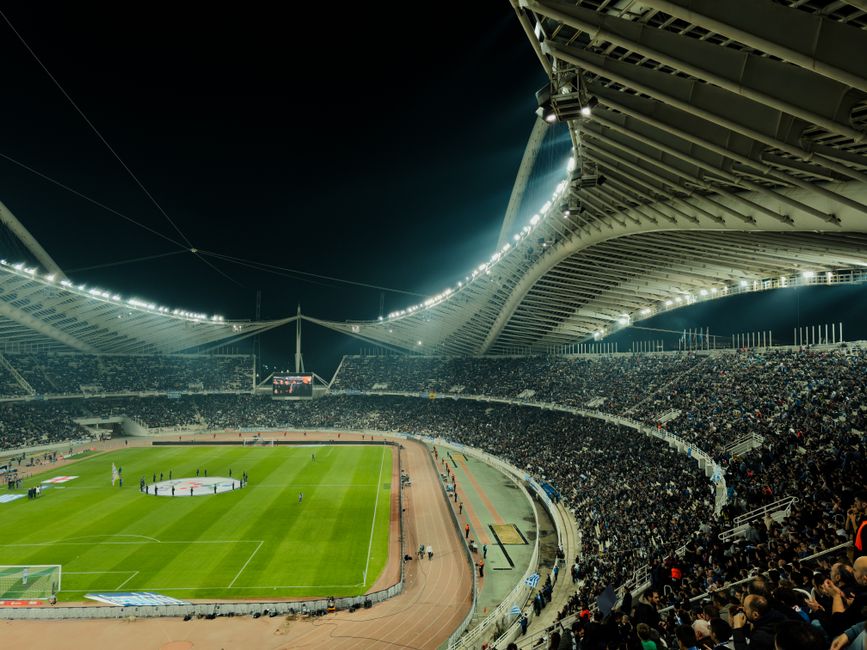
The Metropolitano Stadium serves as the club’s heart and a major revenue driver. With a capacity exceeding 70,000, it provides a loud, intimidating atmosphere that helps the team secure crucial home wins. Beyond match days, the facility hosts concerts and corporate events to diversify income. The club invested heavily in this infrastructure to move away from the smaller Vicente Calderón. It is a centerpiece of their modernization strategy. You can check their official site for tour information or current match-day capacity updates.
What Are the Primary Financial and Competitive Challenges for Atletico Madrid?
The primary challenge is maintaining consistency while competing against clubs with higher salary caps. Atletico Madrid must maximize every resource to bridge the gap with wealthier rivals. Injuries to key defensive players often disrupt their rhythm, making them vulnerable against smaller teams. Additionally, the constant pressure to perform in multiple competitions—domestic league and European cups—strains the squad's depth. They must constantly find value in the transfer market to replace departing stars. Success in this environment requires near-perfect decision-making in both scouting and coaching.
Frequently asked questions
Atletico Madrid generates revenue primarily through broadcasting rights, commercial sponsorships, ticket sales at the Metropolitano Stadium, and consistent participation in the UEFA Champions League.
The Metropolitano Stadium is a key asset that increases matchday revenue through higher capacity, premium hospitality offerings, and the ability to host high-profile events beyond football.
Simeone’s tactical discipline ensures consistent top-four finishes and deep Champions League runs, which are essential for securing the broadcasting and prize money required to sustain the club's financial operations.