How Ismael Saibari Built a Sustainable Professional Football Career
- Saibari demonstrates the value of patience in European youth systems.
- Physical development is his primary competitive advantage in midfield.
- Positional flexibility increases a player's long-term market valuation.
- Injury management remains the primary risk factor for his career trajectory.
How does a professional sports career path impact longevity?
Ismael Saibari serves as a model for how young athletes transition from raw talent to consistent professional performance. By prioritizing steady progression within a structured system like PSV Eindhoven, he has secured his place as a reliable contributor. He didn't jump into the spotlight overnight. Instead, he spent years refining his physical presence and tactical awareness. This approach proves that sustainable success in professional sports often relies more on long-term development than immediate, high-pressure results. Whether you are tracking his stats or his market value, the pattern is clear: consistent output beats flashiness every time. Saibari’s career path is a masterclass in building professional equity through incremental improvements rather than seeking a quick exit.
Why is long-term athlete development superior to immediate results?
Saibari's early years were defined by movement through Belgian and Dutch youth systems. He focused on building a frame capable of competing in high-intensity leagues. This period was not about scoring highlight-reel goals. It was about learning the rhythm of professional matches. According to club reporting, his time with the youth setup was critical for adjusting to the demands of senior-level fitness. He had to learn when to hold the ball and when to distribute it quickly. This stage is often overlooked by fans, but it is where the foundation for his current performance was built. He prioritized skill acquisition over immediate fame.
Can athletes succeed by building professional equity through incremental growth?
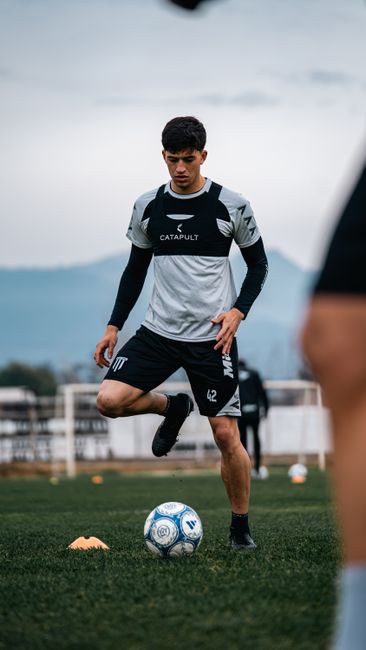
The most visible aspect of Saibari's game is his physical strength. He uses his frame to shield the ball, a trait that makes him effective against aggressive defensive lines. But this comes with a trade-off. Carrying extra muscle requires careful recovery protocols to avoid recurring soft-tissue injuries. He must balance his physical dominance with the agility required to navigate tight spaces. If he pushes his physical limits too far, the risk of downtime increases significantly. Most analysts agree that his ability to stay available for selection remains his most bankable trait.
What role does the PSV Eindhoven youth system play in player success?
Saibari operates as a flexible asset for his team. He can shift from a central midfield role to a wider attacking position depending on the tactical needs of the match. This versatility makes him a more attractive prospect for managers who need to adjust mid-game. It also protects his value during tactical shifts. When a team changes its formation, a player who can fill two or three roles is rarely left on the bench. His ability to perform in different zones of the pitch is an intentional part of his professional profile.
What are the primary risks to young athlete development?
Every high-performing athlete faces the reality of physical degradation. For a player who relies on power and explosive movement, the risk is simple: wear and tear. If his playing time remains high, he faces the constant threat of fatigue-related setbacks. He must manage his training load carefully to ensure he remains at peak efficiency. This is the downside of a high-impact style. While he currently manages these demands well, the long-term sustainability of his career depends on his discipline off the pitch as much as his performance on it.
Frequently asked questions
Saibari’s path emphasizes patience and incremental skill acquisition within a structured environment, prioritizing consistent performance over immediate, high-pressure results.
The PSV Eindhoven system provides a clear, professional pathway that bridges the gap between academy football and senior-level competition, ensuring players are physically and tactically prepared.
The primary challenge is balancing the demand for immediate results with the need for long-term physical and technical development, which often requires a disciplined, multi-year strategy.