AI Workout Generator: Build a Personalized Fitness Plan
- AI fitness tools use historical performance data to adjust your daily training load.
- Computer vision tracks your body mechanics to offer real-time form corrections.
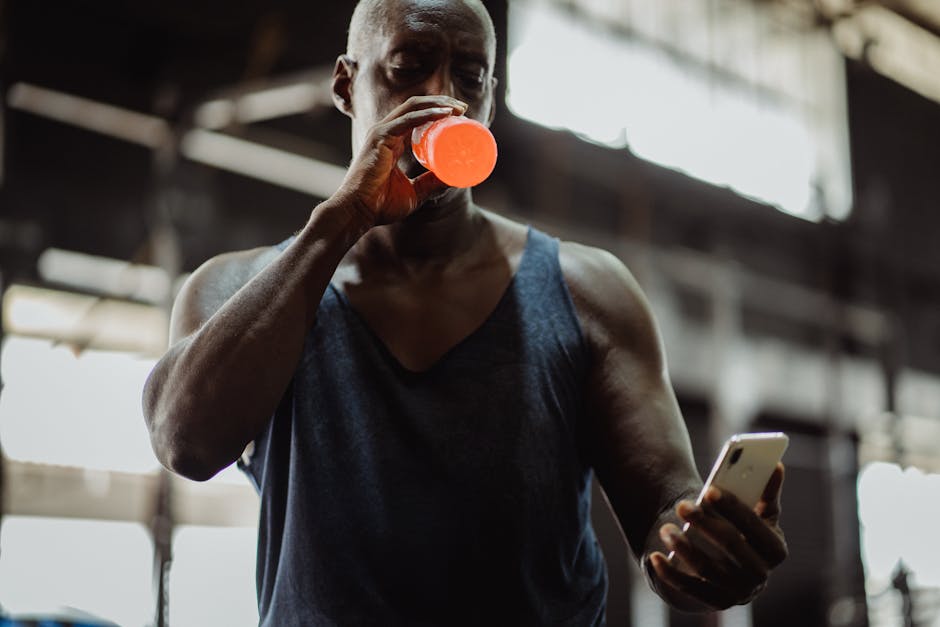
- Wearables feed biometric data into apps to help identify when you need extra rest.
- The main limitation is a lack of human context regarding your daily stress or minor injuries.
How does an AI workout generator work?
AI tools in fitness analyze your movement data and health metrics to create custom exercise routines that adapt as you grow stronger. Instead of following a static PDF or generic video, these systems adjust your intensity based on your heart rate, sleep quality, and performance from your last session. Most apps function by taking your historical data and comparing it against thousands of successful workout patterns. This allows the software to predict which exercises will help you reach your goals faster while minimizing the risk of injury. It takes the guesswork out of your gym routine by providing a roadmap based on your actual capabilities. You simply show up and follow the prompts provided by the algorithm.
Why choose a personalized exercise routine?
AI models use regression analysis to predict your optimal load for every lift. By looking at your weight, age, and previous training logs, the system calculates the exact number of sets and reps you should perform. It is like having a coach who remembers every single rep you have ever completed. If you struggle with a specific weight, the AI automatically lowers the target for your next session to ensure you maintain proper form. This prevents overtraining while pushing you toward progressive overload. These systems update your plan in real-time. If you had a poor night of sleep, the app might suggest a lighter active recovery session instead of a heavy lifting day.
What are the primary benefits of data-driven fitness?
Your smartphone camera acts as a digital trainer through computer vision technology. By identifying key points on your body, the software maps your joints to ensure your squat depth or deadlift posture remains safe. It highlights errors in your movement patterns while you perform the exercise. Some platforms offer this as a paid feature starting at about $15 per month. But, it is not perfect. Harsh lighting or cluttered gym floors can sometimes confuse the camera’s ability to track your limbs accurately. Always prioritize your own physical sensation over what the app says if something feels wrong.
How adaptive training programs prevent injury
Smartwatches feed continuous heart rate and biometric data into your fitness platform. This constant stream of information provides a clearer picture of your recovery status than subjective feeling alone. When your resting heart rate stays elevated, the AI interprets this as a sign of fatigue or stress. It then suggests a lower volume for your upcoming workouts to help you avoid burnout. This is the primary way modern tools prevent the common mistake of pushing too hard on days when your body needs rest.
Is AI fitness technology right for your goals?
The biggest drawback of AI fitness tools is the lack of human empathy and contextual understanding. An algorithm cannot see that you are stressed from a long meeting or that you have a minor injury you have not logged yet. It views your body as a collection of data points rather than a living human. Because of this, it can occasionally suggest a workout intensity that is physically possible but mentally draining. Do not rely entirely on the software to dictate your life. Use it as a guide, but keep your own common sense in the driver's seat.
Frequently asked questions
While an AI generator provides data-backed, adaptive programming at a fraction of the cost, it lacks the real-time physical form correction and human accountability provided by a certified personal trainer.
AI tools sync with wearable devices to analyze metrics like heart rate variability, sleep quality, and workout intensity, automatically adjusting your future training volume based on your recovery status.
Yes, by monitoring your recovery data and performance trends, AI systems can suggest rest days or reduce load intensity before you reach the point of overtraining, which is a common cause of injury.