AI Vehicle Hazard Detection: Improving Road Safety
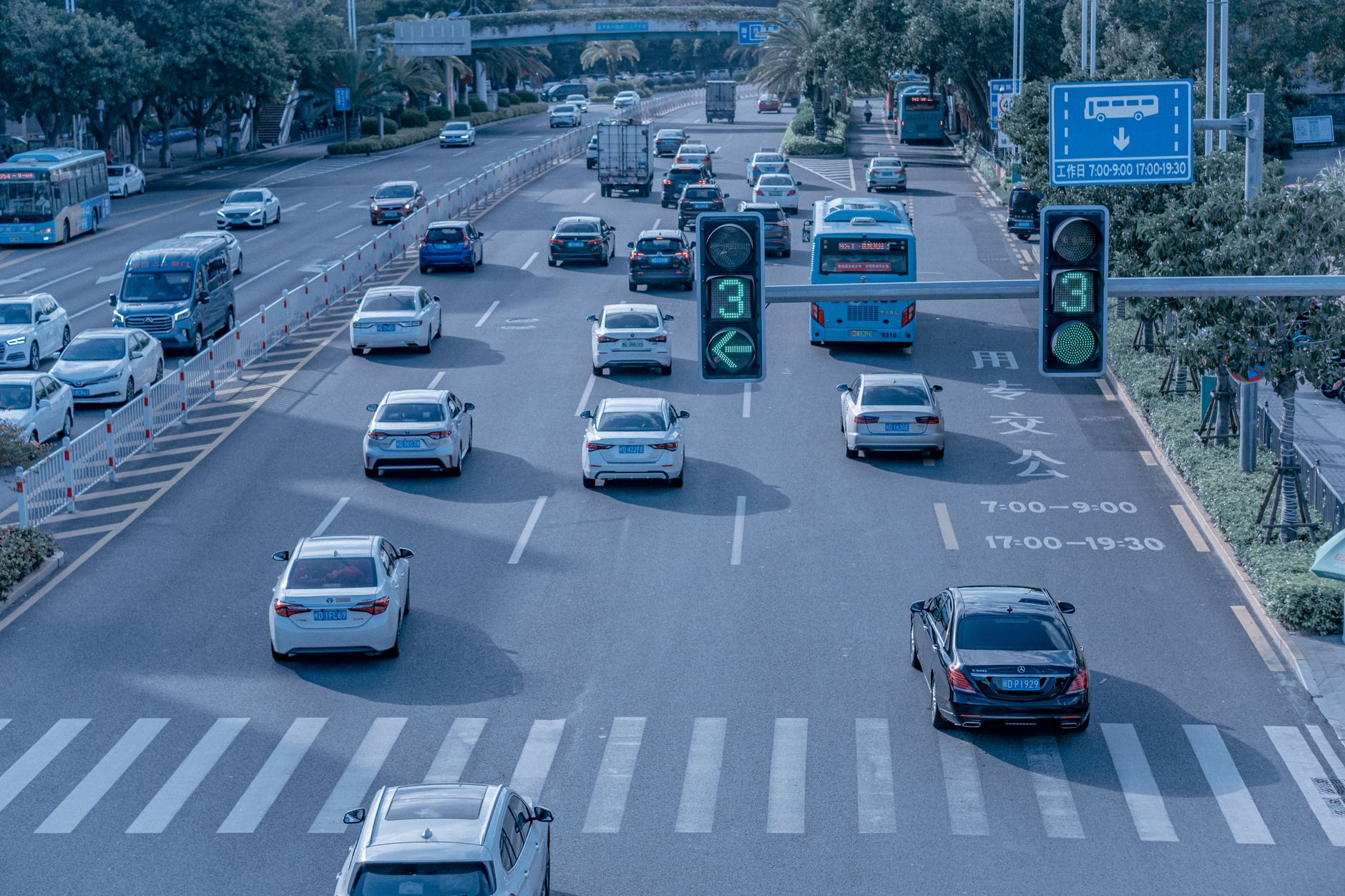
- AI systems can combine data from vehicle and road infrastructure sensors to spot hazards.
- Hardware involved includes cameras, radar, lidar, and sensors mounted on sign gantries.
- The findings originate from a preprint and have not yet undergone peer review.
How does vehicle-to-infrastructure communication prevent accidents?
Artificial intelligence can help vehicles identify traffic hazards more quickly by integrating data from both the car and the road infrastructure. According to a press release from October 12, 2026, BMW is testing a system that gathers information from multiple sensors in the vicinity of an intersection. These include cameras, radar, and lidar units on the vehicle, along with sensors mounted on overhead sign gantries. By merging these streams of information, the AI assesses road conditions before a vehicle reaches a potential danger point. This approach aims to provide the car with a more complete view of the surrounding environment.
What role does AI sensor fusion play in road safety?
The testing describes a scenario where the vehicle receives external data from infrastructure before it enters an intersection. This process allows the system to monitor hazards from multiple angles simultaneously. Keep in mind that these findings come from a preprint and have not yet been peer-reviewed. While the system demonstrates a correlation between sensor integration and improved data collection, this does not guarantee that the technology will prevent all accidents in real-world driving. Correlation is not causation, and this research remains in the testing phase. Readers should treat these results as a preliminary look at how vehicle-to-infrastructure communication might function. Future updates will likely clarify how the system performs across diverse weather conditions and traffic densities. For now, the focus remains on gathering data from these initial test runs.
- Using AI to respond more quickly to traffic hazards — press, Oct 12, 2026
- Using AI to respond more quickly to traffic hazards — TechXplore, Oct 12, 2026
Add NewsPulse Time as a preferred source on Google
Frequently asked questions
No. The information provided describes a test vehicle setup rather than a consumer product currently available for purchase.
The report does not suggest that the system replaces drivers. It functions as a data-gathering tool designed to assist with faster hazard identification.



