How AI Mapping of the Tumor Microenvironment Improves Cancer Research
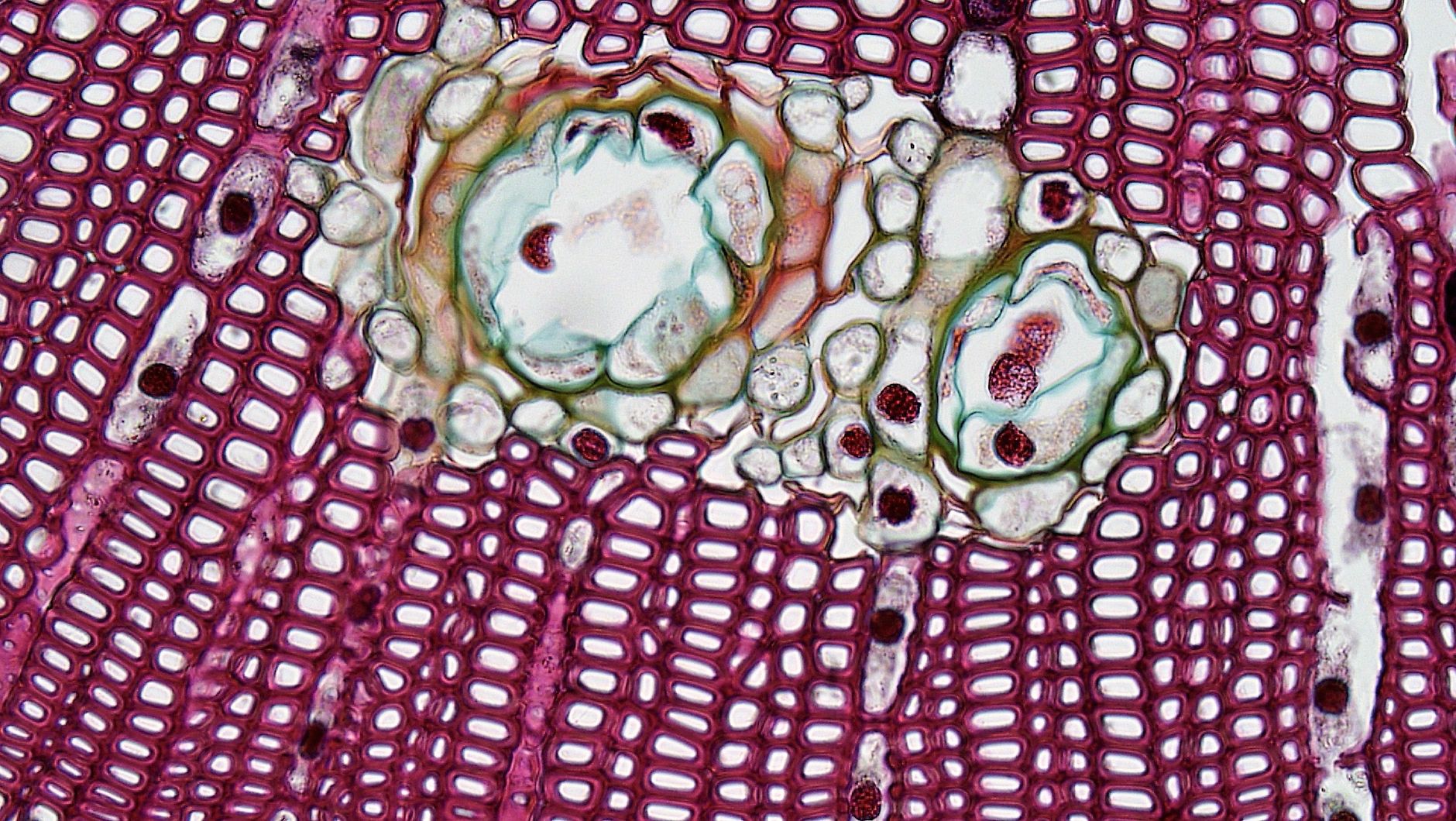
- New AI tool maps immune cell attraction to tumors.
- AI identifies factors that exclude immune cells from tumor sites.
- Research provides deeper insight into tumor microenvironments.
- Findings were reported on October 13, 2026.
How does AI analyze tumor microenvironment dynamics?
This new AI tool reveals the specific factors that attract immune cells to tumors and the factors that keep those cells away. It functions by analyzing the interaction between immune cells and their surrounding tumor environments.
By examining these biological dynamics, the technology provides detailed insights into the tumor microenvironment.
What factors drive tumor immune evasion?
The tool assists in mapping immune cell behavior in relation to cancer. The tool assists in mapping immune cell behavior in relation to cancer.
The research focuses on the biological mechanisms that control how immune cells are recruited to tumors. It also looks at the distinct mechanisms that lead to the exclusion of immune cells from these environments. The research focuses on the mechanisms of immune cell recruitment to and exclusion from tumors.
The system identifies the specific factors that tumors use to evade the immune system. The tool identifies specific factors involved in immune evasion by tumors. The tool identifies specific factors involved in immune evasion by tumors.
Why is mapping immune cell behavior critical for cancer research?
This research represents a new application of artificial intelligence in oncology. The findings help clarify why some tumors are more accessible to the immune system than others.
The research was highlighted as a significant development in medical technology. The tool identifies specific factors involved in immune evasion.
What are the clinical implications of AI-mapped tumor microenvironments?
The discovery regarding this AI tool was reported on October 13, 2026. The discovery was reported on October 13, 2026.
- AI tool reveals what attracts immune cells to tumors and what keeps them away — Google News, Oct 13, 2026
Add NewsPulse Time as a preferred source on Google
Frequently asked questions
AI algorithms analyze spatial transcriptomics and imaging data to track how tumors recruit or exclude immune cells, providing a high-resolution map of the tumor microenvironment.
The microenvironment dictates how a tumor responds to immunotherapy; understanding these dynamics helps researchers identify why some tumors successfully evade the immune system.
Yes, by mapping immune cell behavior in the microenvironment, AI models can identify specific biomarkers that predict how likely a tumor is to respond to various immunotherapies.



