AI-Powered Surgical Site Infection Detection: Mayo Clinic Study Results
- AUROC 0.83‑0.87 overall, no drop for age, gender, race or skin tone
- Geographic AUROC ranged from 0.83 to 0.87, a significant gap
- Study used 13,702 incision photos from 4,274 adults (9.8% SSI)
- Model evaluated on retrospective data from four US regions
- Findings are from a preprint; peer review pending
How does the SSI detection model perform across demographics?
The Mayo Clinic team reported that their image‑based surgical site infection (SSI) detector performed consistently across most patient groups, achieving an area‑under‑receiver‑operating‑characteristic (AUROC) between 0.83 and 0.87 regardless of age, gender, race or skin tone. In contrast, the model’s accuracy shifted noticeably by location, with the lowest AUROC of 0.83 in one region and the highest at 0.87 elsewhere. The researchers stress that the work is a preprint and has not yet undergone peer review, so the numbers should be taken as early evidence rather than definitive proof.
What does the Mayo Clinic AI study reveal about regional accuracy?
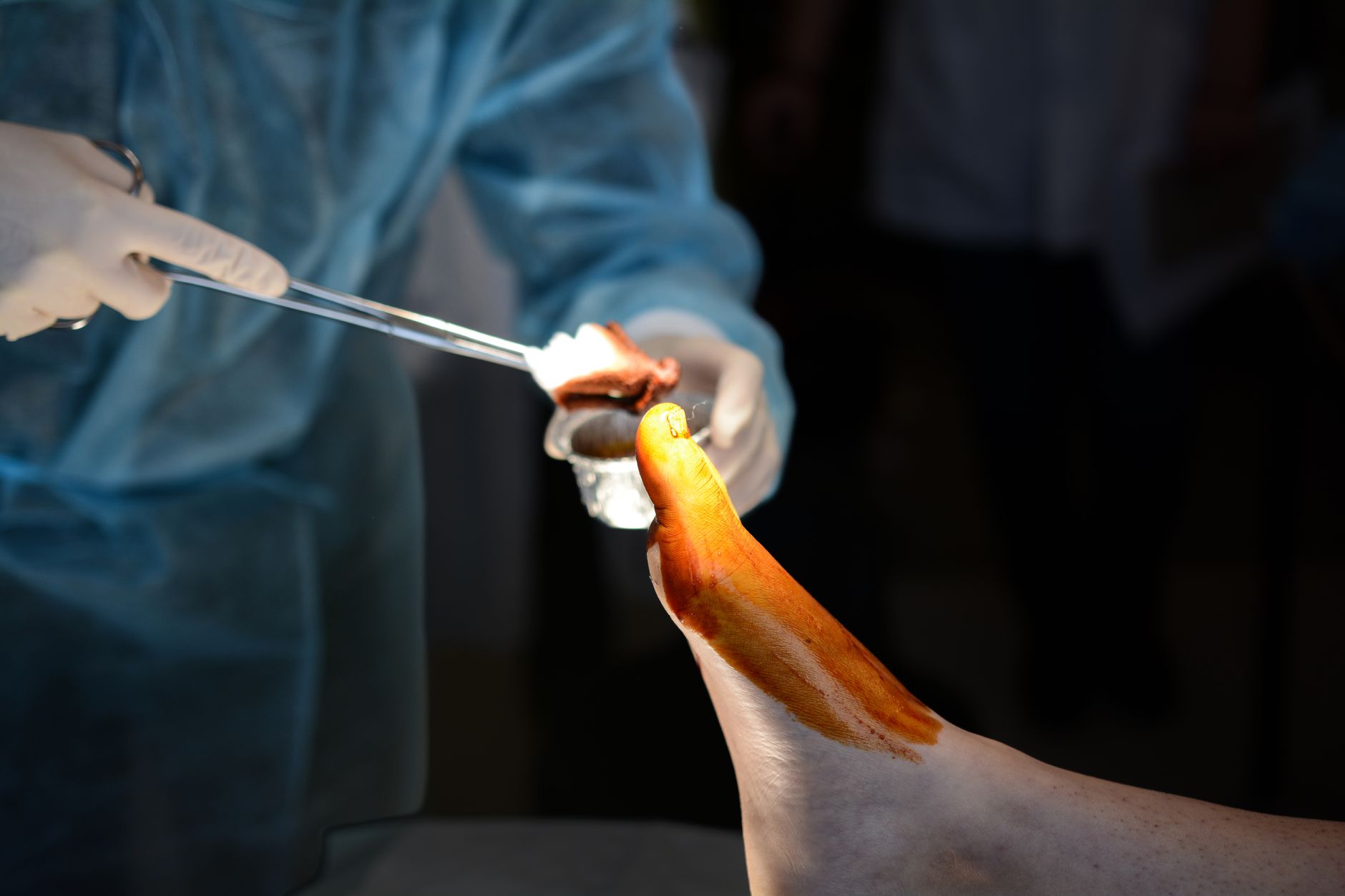
The investigators carried out a retrospective, multicenter model‑development and validation study. They gathered all incision photos submitted through the electronic health record within 30 days after surgery between 2019 and 2024. In total, 13,702 images from 4,274 adult patients were analyzed, of which 1,348 (9.8%) showed an SSI. The data spanned four sites—Rochester, Minnesota; Jacksonville, Florida; Scottsdale, Arizona; and surrounding Minnesota/Wisconsin clinics. Performance was measured with AUROC and compared across subgroups: age (<55 vs ≥55), gender, geography, race (White vs non‑White), and skin color using Fitzpatrick and Monk scales. No statistically significant differences emerged for age, gender, race or skin tone (p > 0.09).
Why is AI model bias in healthcare a critical research focus?
Geography was the only factor that produced a meaningful gap. The AUROC dipped to 0.83 (95% CI 0.77‑0.88) in one region while reaching 0.87 in another, a difference that reached statistical significance. The study also notes that 96.3% of the images depicted light skin tones, limiting confidence in how the model would behave for darker‑skinned patients in real‑world settings. Because the dataset is retrospective, it cannot capture how clinicians might change behavior after seeing the AI’s output. And, as a preprint, the analysis has not been vetted by independent reviewers.
What are the next steps for surgical site infection research?
For most patients, the AI appears to flag infections without bias toward age, gender, race or skin color, which suggests it could reduce missed diagnoses that stem from human oversight. However, the regional disparity hints that local imaging practices, lighting conditions, or demographic mixes might sway the algorithm’s confidence. If a hospital in a lower‑performing area adopts the tool without further calibration, some infections could be missed or over‑called. Patients should therefore view the technology as a supplemental aid rather than a definitive diagnostic, especially until broader validation confirms consistent performance across all settings.
What’s next for developers and clinicians?
The authors recommend expanding the training set to include more diverse skin tones and additional sites, especially those that currently show lower AUROC scores. Prospective trials that monitor how clinicians act on the AI’s alerts will be essential to prove real‑world benefit. Regulatory bodies will likely require evidence that fairness metrics hold up in varied populations before granting clearance. Meanwhile, hospitals considering deployment should run internal validation on their own image archives and be prepared to adjust thresholds based on local performance.
Key Takeaways for Healthcare AI Implementation
The Mayo Clinic preprint shows an SSI detection AI that is broadly fair across age, gender, race and skin tone but still shows geographic bias. The findings underscore that even well‑performing models need rigorous, location‑specific testing before they can be trusted in everyday care. As the work moves toward peer review and prospective testing, clinicians and patients alike should stay aware of both its promise and its current limitations.
- Assessment of Fairness and Bias of an Image-based Surgical Site Infection Detection AI Model — Mayo Clinic Rochester, Oct 8, 2026
- Assessment of Fairness and Bias of an Image-based Surgical Site Infection Detection AI Model — medRxiv, Oct 8, 2026
- AI-Based Screening Approach for Primary Aldosteronism Using Longitudinal Electronic Health Records — medRxiv (preprint), Oct 8, 2026
Add NewsPulse Time as a preferred source on Google
Frequently asked questions
Yes, recent Mayo Clinic research indicates that AI models can identify surgical site infections with consistent performance across various patient demographics.
While the study found consistent performance across demographics, it identified regional variations in accuracy, highlighting the need for localized validation of AI tools.
Regional accuracy is critical because variations in clinical documentation, patient populations, and healthcare infrastructure can lead to performance gaps in AI models deployed across different hospital systems.