How AI Uses News Sentiment Analysis to Forecast Stock Market Trends
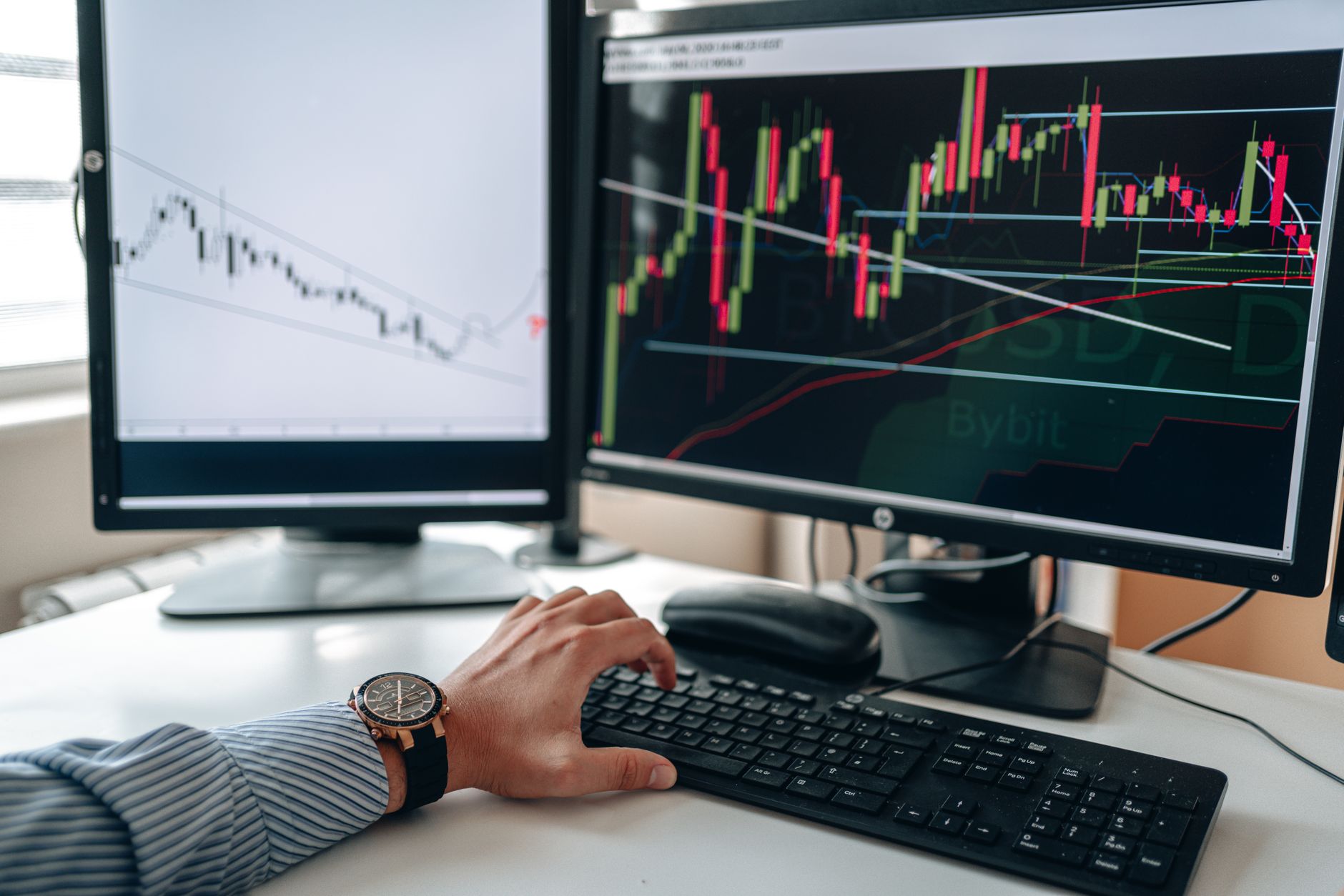
- AI now processes news and trading data simultaneously for market forecasts.
- The model aims to identify correlations between public sentiment and stock price swings.
- Investors may see faster market reactions to breaking news events.
- The reliability of these automated predictions remains unproven in high-volatility scenarios.
How does AI news sentiment analysis improve accuracy?
As of October 9, 2026, a new AI model has emerged that integrates real-time news feeds with stock market network data to forecast price swings, according to Google News [1]. This development marks a move toward systems that do not just look at historical pricing trends, but attempt to quantify how public information influences market behavior. By pairing raw trading data with the context provided by news outlets, the model seeks to predict fluctuations before they fully manifest in the market. For the average observer, this signifies that the gap between a news event and a corresponding market movement could narrow significantly. It is a shift in how automated tools interpret the relationship between global events and financial assets.
Can AI trading models predict market shifts?
The push to link news and stock data stems from the need to process information faster than human analysts can manage. Computers have long tracked trade volume and price, but interpreting the nuance of news reports remained a challenge. Now, the model aims to bridge that gap by scanning headlines and reports for sentiment that often precedes a market shift, according to the latest reports [1]. So, the system works by identifying patterns where specific types of news correlate with subsequent trading behavior. It effectively treats news as a leading indicator rather than a reactive one.
How Real-Time Financial Data Enhances AI Forecasting Accuracy
This development primarily impacts day traders and institutional investors who rely on speed to gain an edge. If an AI can interpret a news event and act on it before a human reader finishes the headline, the window for manual trading narrows. Retail investors might find that markets move with more sudden intensity in response to headlines. But, it also affects those who manage long-term portfolios, as it could contribute to increased market volatility during sensitive periods. When algorithms react to news in unison, the resulting price swings can be sharp and rapid.
What Are the Primary Challenges of AI-Driven Market Prediction?
You should monitor how market volatility responds to major news cycles in the coming months. If this model gains traction, look for instances where stock prices move in ways that seem disconnected from traditional technical analysis. It is helpful to track whether sudden, unexplained dips or spikes coincide with significant news releases. Don't assume that every automated prediction is accurate. Instead, observe whether the market sustains these moves or if they are just temporary reactions driven by algorithmic trading.
What Are the Current Limitations of AI Stock Forecasting Models?
A major question is the model's accuracy during truly unpredictable events or 'black swan' scenarios. The source material confirms the tool is in use, but it does not provide data on its success rate or how it handles conflicting information [1]. It is unclear how the system distinguishes between impactful news and mere noise. Furthermore, we do not know if the model will increase market efficiency or simply create new types of feedback loops that trigger false alarms. Until more performance data is public, caution is the best approach.
- AI Model Reads News and Stock Networks Together to Forecast Market Swings — Google News, Oct 9, 2026
Frequently asked questions
AI models use Natural Language Processing (NLP) to perform sentiment analysis on news headlines and reports, quantifying market mood to predict potential price movements.
While AI can identify patterns and anomalies in historical data, it cannot guarantee predictions for market crashes, as these events are often influenced by unpredictable human behavior and external shocks.
AI forecasting models typically ingest a mix of real-time financial news, social media sentiment, historical price charts, and high-frequency trading volume data.