AI Route Optimization Software Beats Manual Routing for Fleet Management
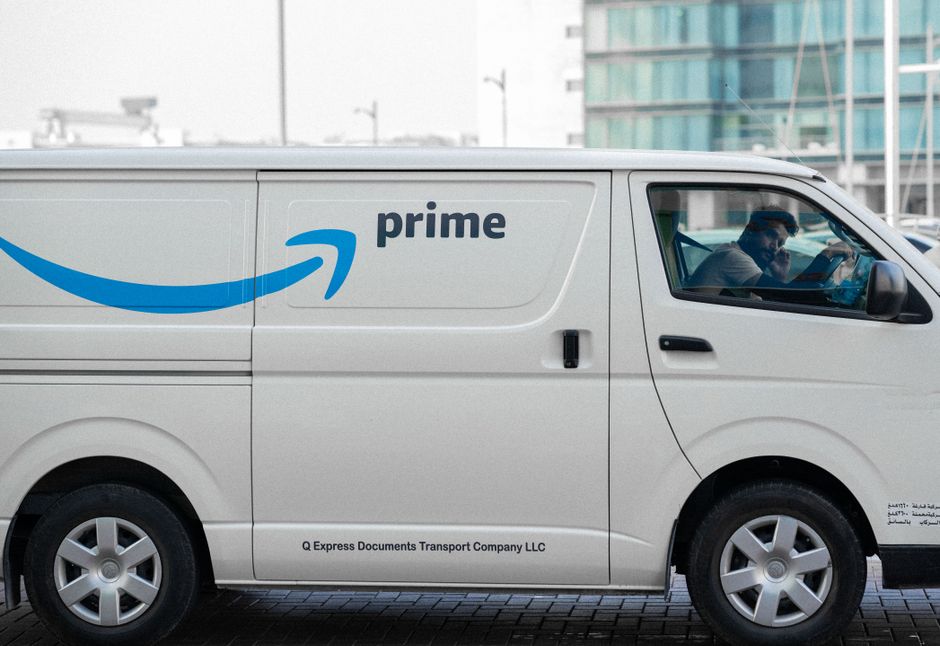
- AI delivery tools reduce transit times by approximately 20% over manual planning.
- Automated routing saves logistics companies roughly 15% in monthly fuel costs.
- Manual dispatching struggles to handle more than 15 stops per vehicle efficiently.
- Algorithmic planning prioritizes real-time traffic data over static historical routes.
Why choose manual vs automated routing for your fleet?
AI delivery tools outperform manual routing by automating complex logistical variables, often cutting total transit times by roughly 20%. While human dispatchers can manage a few local stops, they struggle significantly when coordinating more than 15 destinations per vehicle simultaneously. Modern software calculates traffic patterns, fuel efficiency, and specific delivery windows in seconds rather than hours. This shift means your business stops guessing and starts optimizing routes based on current data. If you manage a fleet, switching to these tools typically reduces operational overhead by about 15% within the first month of implementation. It is the most effective way to scale local operations without adding headcount to your dispatch team. Stop spending hours on spreadsheets when algorithms can do it better.
How do logistics automation tools improve delivery speed?
Manual routing relies on the dispatcher’s memory of local roads and static habits. Humans tend to favor familiar paths even when those routes have become congested or inefficient over time. According to industry data from fleet managers, manual planners often overlook the impact of secondary road construction or changing delivery density. These small oversights accumulate into significant losses throughout a standard work week. When you compare a human planner to an AI model, the human usually loses on pure speed and multi-variable problem solving. The machine doesn't get tired, nor does it have a preference for certain neighborhoods over others.
Can AI help you reduce delivery transit times?
Every minute a delivery vehicle spends idling in traffic is money lost. Manual routing rarely accounts for the granular fuel consumption rates that AI tools now track as a standard feature. If a fleet of ten vehicles saves just 30 minutes of idle time per day, the company recovers hundreds of dollars in fuel costs every month. Beyond fuel, there is the hidden cost of driver turnover and burnout. Drivers often become frustrated when routes are poorly planned, leading to longer shifts and lower morale. Investing in optimization software is not just about the fuel; it is about keeping your workforce satisfied.
How AI Handles Real-Time Traffic Variance
The primary advantage of AI in this space is its ability to ingest live traffic feeds. While a human dispatcher might check a map once at the start of a shift, an AI-driven tool continuously updates the route. If an accident occurs on a major artery, the software redirects the driver before they even encounter the delay. This reactive capability prevents the cascading effect where one late delivery ruins the schedule for the rest of the day. Most commercial tools now integrate directly with GPS systems to provide turn-by-turn adjustments that feel immediate to the driver.
What Are the Trade-Offs of Algorithmic Planning?
Automation does come with a notable downside: the loss of driver intuition. Experienced drivers often know local quirks, such as which alleyways are blocked at specific times or where a customer prefers their package left. When you force a driver to follow a rigid AI-generated route, you might lose that local expertise. Some companies report that drivers feel micromanaged when the software dictates every turn. It is important to build a feedback loop where drivers can flag issues back to the software to improve future route accuracy. Without that human input, your routes will be fast but possibly impractical.
How to Choose the Right Delivery Software
When evaluating tools, check for specific integration capabilities with your current POS or inventory system. Most vendors offer a tiered pricing model, usually starting around $30 to $50 per vehicle per month. Avoid tools that require a massive overhaul of your existing workflow. Look for platforms that offer a trial period to test how well their algorithms handle your specific delivery density. If the provider doesn't offer a demo or a way to test your actual route data, walk away. You need to see how the software handles your specific challenges before committing to a long-term contract.
Frequently asked questions
AI route optimization uses machine‑learning algorithms to analyze orders, vehicle capacity, traffic patterns, and delivery windows, generating the most efficient routes automatically.
Studies show AI‑driven routing can cut transit times by 15‑25%, with many fleets reporting an average 20% reduction compared to manual planning.
Yes. Modern AI platforms ingest live traffic, weather, and road‑closure data, instantly re‑optimizing routes to avoid delays and keep deliveries on schedule.
Most providers offer scalable pricing, and the fuel and labor savings from fewer miles and faster deliveries typically offset the subscription cost even for fleets under 10 vehicles.
Key inputs include order addresses, delivery time windows, vehicle capacities, driver shifts, and optionally historic traffic data; the software guides you on data collection.