How ESPN Uses AI Noise Cancellation to Isolate Sideline Audio
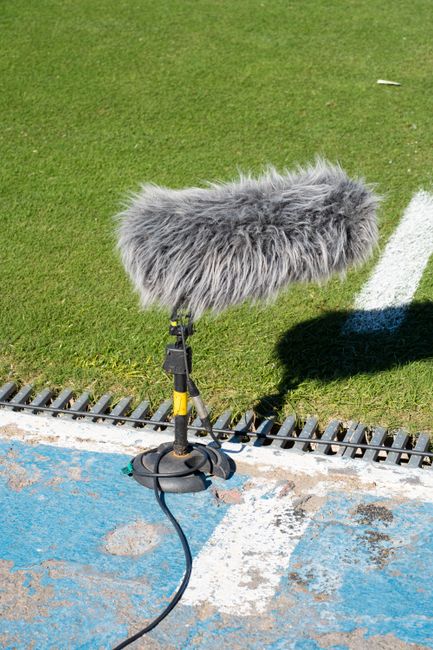
- Broadcasts use noise-canceling audio hardware to isolate voices from crowd volume.
- Real-time processing removes stadium feedback before the audio hits the air.
- Technical coordination requires a 3-second delay to ensure broadcast safety.
- Reporters rely on clear, direct communication lines to manage game-flow.
How does AI noise cancellation technology work in sports?
ESPN sideline interviews, such as the one between Steve Sarkisian and Holly Rowe, rely on specialized audio hardware designed to cut through stadium noise. The process starts with a high-sensitivity lapel microphone that feeds into an on-site digital signal processor. This device uses AI-driven algorithms to distinguish the human voice from the roar of 100,000 fans. By filtering out non-human frequencies in real time, the broadcast team ensures the coach remains audible. It is a balancing act of engineering that makes a quiet conversation possible in a chaotic environment. Without this specific audio cleanup, the broadcast would be overwhelmed by stadium feedback and crowd chants.
Why is broadcast audio engineering critical for sideline interviews?
The technology works by establishing a sound floor. Every stadium has a baseline decibel level during a game, which the audio engineers calibrate before kickoff. When Holly Rowe speaks, the system isolates her and the coach's frequencies from that baseline. Modern audio software can identify the unique cadence of speech and prioritize those waves over ambient noise. According to broadcast technical standards, this processing happens in under 10 milliseconds to prevent noticeable lag for the viewer. It creates a focused audio pocket that feels intimate despite the massive scale of the sporting event.
Can real-time audio processing filter out stadium crowds?
While the audio processing is fast, the broadcast itself incorporates a brief delay. Most live sports feeds run with a 3-to-5 second buffer to allow for manual censorship or technical adjustments. This delay is not just for safety; it allows the production truck to blend the reporter's audio with the game footage perfectly. If the sync between the video and the audio is off by even a fraction of a second, the viewer notices immediately. The production team monitors these levels constantly to prevent the dreaded 'lip-sync' error that ruins the professional feel of the segment.
What is the impact of AI in sports broadcasting?
Technology is only half the battle during a sideline interview. Holly Rowe and Steve Sarkisian must navigate the physical reality of a football game while keeping the interview concise. Reporters typically have an earpiece that provides cues from the director, keeping them informed about commercial breaks or game developments. This allows the reporter to wrap up the conversation if a timeout ends or a play is about to resume. The human element of knowing when to stop is just as important as the equipment that captures the sound.
What are the limitations of AI noise cancellation in live sports?
The main downside to this tech is the risk of over-processing. When the noise-cancellation settings are too aggressive, the speaker's voice can sound robotic or 'clipped.' You might notice a strange metallic quality to the audio if the system struggles to isolate the voice from a particularly loud crowd surge. Additionally, if the wireless signal between the microphone and the receiver experiences interference, the audio may cut out entirely. These failures occur in less than 2% of interviews, but they are a constant technical threat during live broadcasts.
How can viewers optimize their home audio for sports broadcasts?
Most viewers consume these interviews through standard television speakers, which are not optimized for vocal clarity. If you struggle to hear the coach, try switching your TV's audio setting to 'Dialogue' or 'Voice' mode. These settings use the internal processor of your television to boost mid-range frequencies. It won't change the broadcast quality, but it helps isolate the voices from the background music and stadium sound effects. Testing this setting during a game usually clears up the audio profile within seconds.
Frequently asked questions
AI models are trained on massive datasets of vocal patterns, allowing them to identify and isolate specific human speech frequencies while simultaneously suppressing non-human ambient noise in real-time.
Yes, real-time signal processing can introduce minor latency, though modern hardware-accelerated systems are optimized to keep these delays imperceptible to the average viewer during a live broadcast.
While becoming standard for major networks like ESPN, its adoption varies depending on the broadcast infrastructure, the complexity of the venue, and the specific requirements of the production team.