Jensen Huang’s Strategy for AI-Driven German Manufacturing
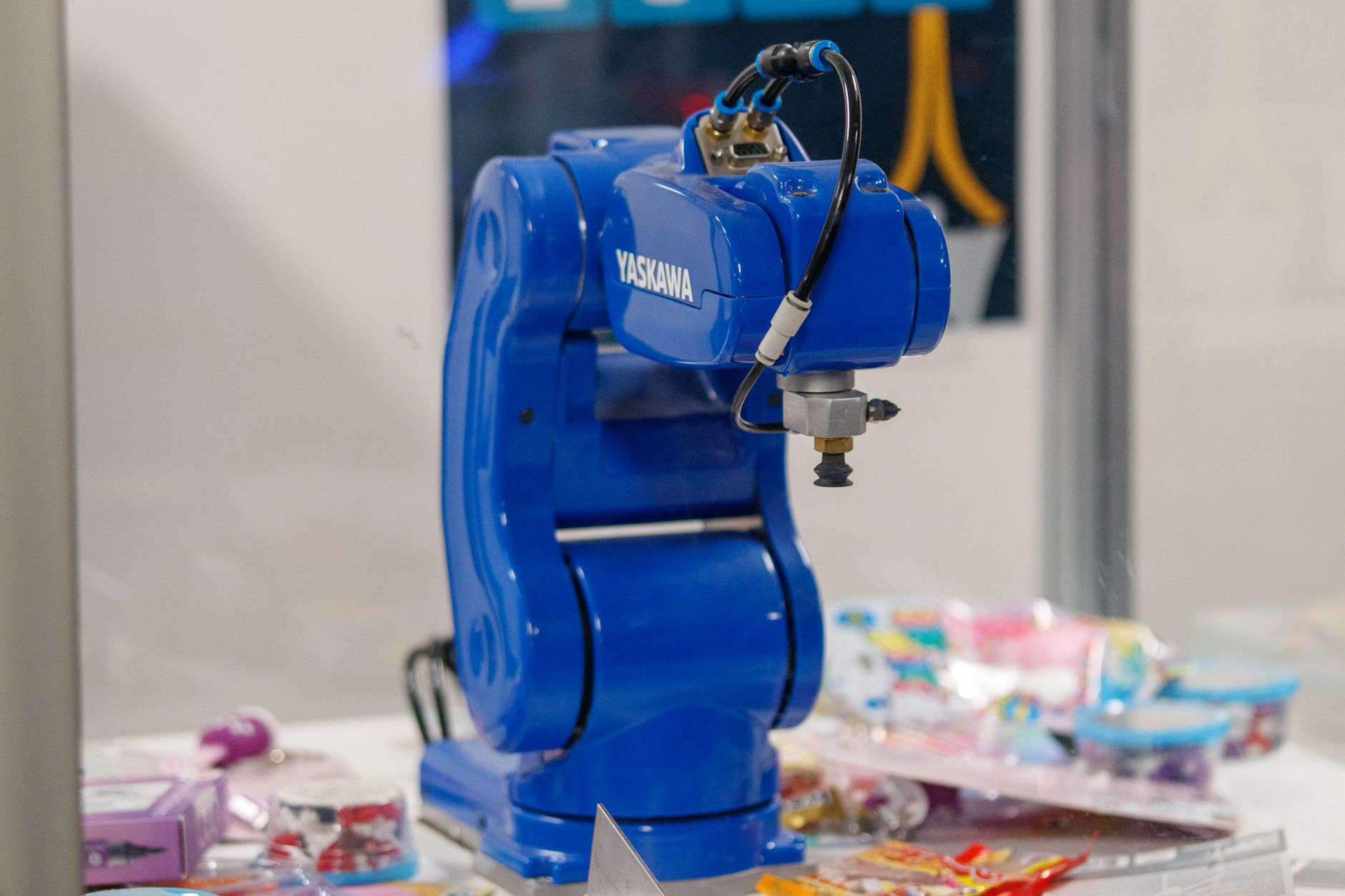
- AI is shifting toward physical applications like robotics and heavy industry.
- Germany's manufacturing data is a critical national 'natural resource'.
- AI is intended to augment human capability, not replace it.
- Europe faces hurdles like data security concerns and a lack of AI data centers.
How Industrial AI Applications Are Shaping the Future of Manufacturing
Jensen Huang, the CEO of the American technology company Nvidia, is urging German manufacturers to adopt artificial intelligence to reengineer the country's business model. Nvidia was founded in 1993 by Jensen Huang, Chris Malachowsky, and Curtis Priem, and the company develops GPUs and other applications for data science and AI.
Huang suggests that German companies can improve their operations by tapping into their existing wealth of manufacturing data and industrial expertise.
What is physical AI in the factory?
During the Invest in Germany Summit in Berlin on October 19, 2026, Jensen Huang and Chancellor Friedrich Merz discussed the direction of industrial technology. Huang stated that the next wave of AI is physical, which means the technology will interact directly with the physical world.
This application of AI involves robotics, manufacturing, automobiles, and heavy industry.
Will AI Replace Human Workers in Heavy Industry?
Jensen Huang maintains that digital technology will not replace the manufacturing and engineering world. He stated that electrons will never replace atoms.
Instead, AI is intended to augment human capability rather than replace it. Huang has advised German manufacturers to take advantage of the technology to support their existing capabilities.
Why Is German Manufacturing Data Considered a Natural Resource?
Jensen Huang describes Germany’s manufacturing data and industrial expertise as a natural resource that belongs to the nation. He urges the country to take better advantage of this resource through AI.
According to former European Central Bank head Mario Draghi, this high-quality, machine-readable data provides a specific opportunity for the region to compete with the United States and China. Huang warns that this industrial revolution is so powerful that the country does not have another chance to adapt. Leveraging these existing assets is identified as an opportunity for the region to compete with the U.S. and China in the AI field.
How Can the German Mittelstand Benefit from AI Adoption?
German Chancellor Friedrich Merz and Jensen Huang identified the mittelstand as a key area for AI adoption. This group consists of hundreds of small- and medium-sized companies operating within specialized industrial sectors.
For these businesses, integrating AI is discussed as an opportunity.
What Economic and Security Challenges Face European AI?
German Chancellor Friedrich Merz is currently working to revive the national economy following years of near-stagnation after the pandemic. This recovery faces several economic headwinds, including high energy prices resulting from the loss of Russian natural gas. Companies must contend with excessive red tape that delays projects and increasing competition from China, particularly in the automobile sector.
Beyond these immediate economic issues, European leaders are concerned about the continent's heavy dependence on U.S. tech companies for artificial intelligence. Europe currently lags behind the United States in building the data centers required to provide the computing capacity needed to train AI applications.
There are also significant concerns regarding the security of sensitive corporate data. European leaders worry that when this data is stored on servers owned by U.S. companies, it is subject to concerns regarding U.S. legal system subpoenas and criminal warrants.
How Should German Companies Approach AI Implementation?
To navigate these challenges, Nvidia CEO Huang advises that German companies should import the necessary AI technology to remain competitive. However, he cautions that while you adopt these digital tools, you must ensure that you do not export your own culture, values, or knowledge.
- Nvidia CEO urges German manufacturers to adopt AI, saying digital tech won't replace heavy industry — press, Oct 20, 2026
- Nvidia CEO urges German manufacturers to adopt AI, saying digital tech won't replace heavy industry — TechXplore, Oct 20, 2026
- Nvidia (Wikipedia — background) — Wikipedia
- Nvidia CEO urges German manufacturers to adopt AI, saying digital tech won't replace heavy industry — isp.netscape.com
- Nvidia CEO urges German manufacturers to adopt AI, saying digital tech won’t replace heavy industry - myMotherLode.com — mymotherlode.com, Oct 19, 2026
- Nvidia CEO urges German manufacturers to adopt AI, saying digital tech won't replace heavy industry — leadertelegram.com
- GDELT Project — news search used to find related reporting — gdeltproject.org
Add NewsPulse Time as a preferred source on Google
Frequently asked questions
No. Nvidia CEO Jensen Huang emphasizes that 'electrons will never replace atoms.' AI is designed to augment human capability rather than replace it. The goal is to use AI to reengineer existing business models by leveraging the nation's deep expertise in manufacturing and industrial data.



