AI in D.C. Schools: New Policy Guidelines and Student Safety
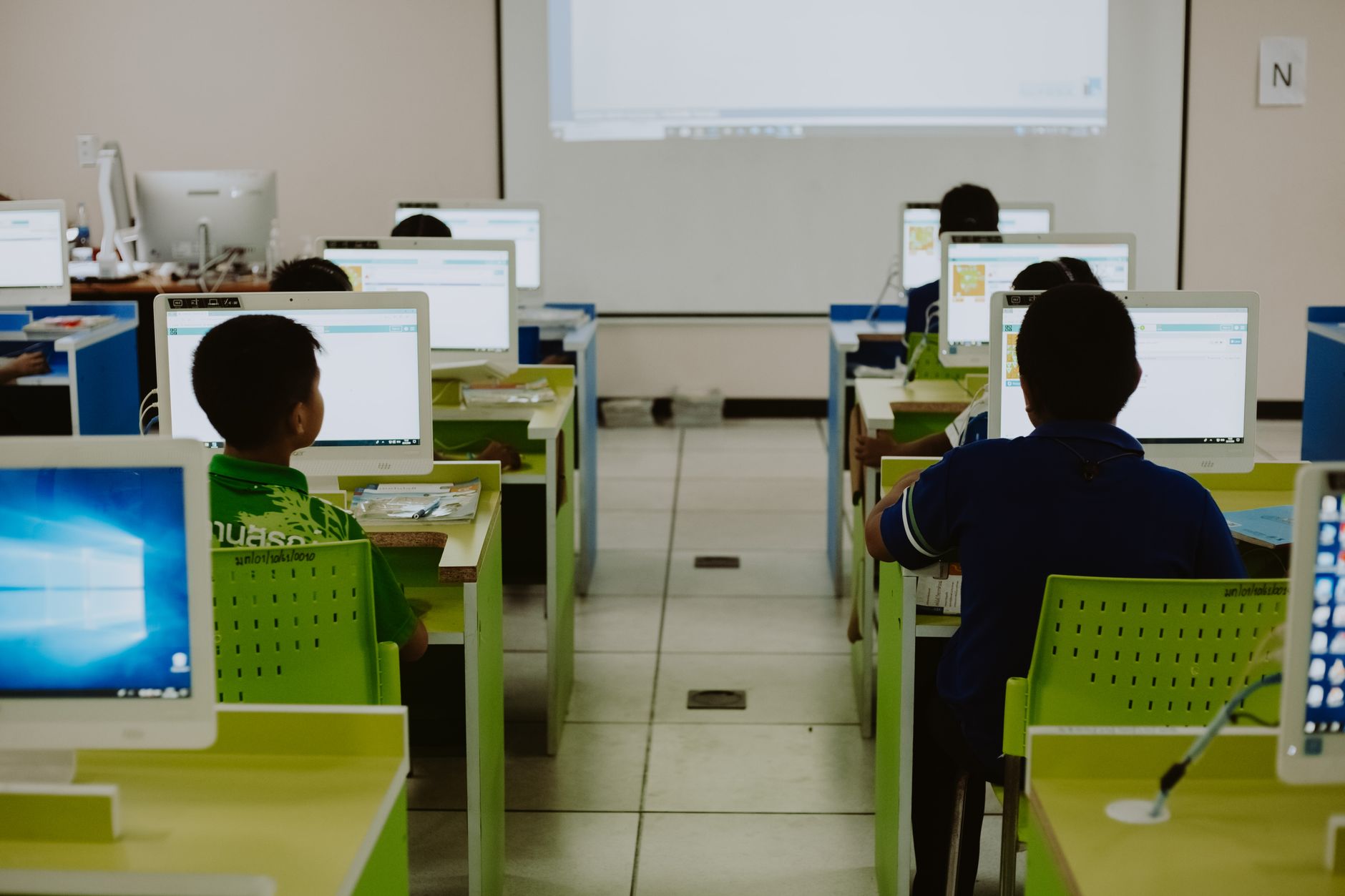
- D.C. Council is currently weighing mandatory rules for AI and screen time in schools.
- The primary goal is balancing digital access with student safety and core learning.
- Most strategies focus on either total integration, strict regulation, or a hybrid model.
- Policy outcomes will impact how teachers use AI tools in the classroom.
What is the current D.C. school technology policy?
The D.C. Council is currently debating how much technology and AI belongs in local schools. The best approach prioritizes student safety while maintaining academic standards. Local officials are evaluating whether to limit screen time or provide strict oversight for AI tools. If you are a parent or educator, the consensus is to balance innovation with caution. Schools need clear rules to prevent AI from replacing critical thinking. According to sources [1] and [2], the council is weighing these specific policies today. You should prepare for changes in how your district manages digital resources. The right choice depends on your focus on either digital literacy or traditional instruction.
How will AI classroom guidelines affect students?
1. Strict Regulatory Oversight: This model suits districts prioritize security above all else. Its strengths include high data protection standards and reduced screen distraction. The downside is that students may fall behind on real-world digital skill development.
2. AI-Supported Curriculum: This approach suits schools aiming to prepare students for a tech-heavy workforce. Its strengths include high student engagement and access to modern tools. The downside is the risk of students relying on AI to complete work without gaining foundational knowledge.
3. Hybrid Learning Models: This is ideal for schools that want a middle ground. Its strengths include flexibility and a mix of human-led and machine-led instruction. The downside is the high cost of training staff to manage both formats effectively.
4. Traditional Screen-Free Focus: This suits primary education settings. Its strengths include strong face-to-face social development and focus on core subjects. The downside is a lack of exposure to the digital environment that defines the current professional world.
How is the D.C. Council overseeing AI in education?
We ranked these strategies based on the current debate within the D.C. Council regarding technology limits [1, 2]. Our criteria focused on three main pillars: student safety, educational efficacy, and long-term skill acquisition. We weighed how each model addresses the specific concerns raised in recent hearings about AI in the classroom. Strategies that offer a clear path for teacher oversight ranked higher than those that leave technology use unchecked. We avoided models that ignored the reality of current digital trends. If you are looking for specific software or devices, check the school district's approved vendor list for current pricing and compatibility requirements.
| Strategy | Best For | Primary Downside |
|---|---|---|
| Strict Oversight | Risk-averse districts | Limited innovation |
| AI-Supported | Workforce preparation | Over-reliance risk |
| Hybrid Model | Balanced classrooms | High training costs |
| Screen-Free | Primary education | Low digital exposure |
- D.C. Council weighs rules for AI, technology in schools — Google News, Oct 9, 2026
- DC Council weighs if and how much technology should be in schools — Google News, Oct 9, 2026
Add NewsPulse Time as a preferred source on Google
Frequently asked questions
Yes, D.C. public schools are increasingly integrating AI tools into the curriculum while simultaneously developing regulatory frameworks to ensure these technologies support learning without compromising student data privacy.
Key concerns include the protection of student data privacy, the potential for algorithmic bias, the impact on long-term critical thinking skills, and the necessity of robust digital literacy training for both students and educators.
The proposed policies focus on vetting AI software for security, establishing mandatory guidelines for human-in-the-loop instruction, and ensuring all classroom technology remains compliant with federal and local student privacy laws.
Related reading

FreeCast Named Best Streaming Technology Platform of 2026
Gelion Sulfur Battery Technology: Advancing High-Power EV Performance

The Evolution of Battery Technology and American Energy Innovation