AI Health Wearables: How 2026 Tech Analyzes Your Biometric Data
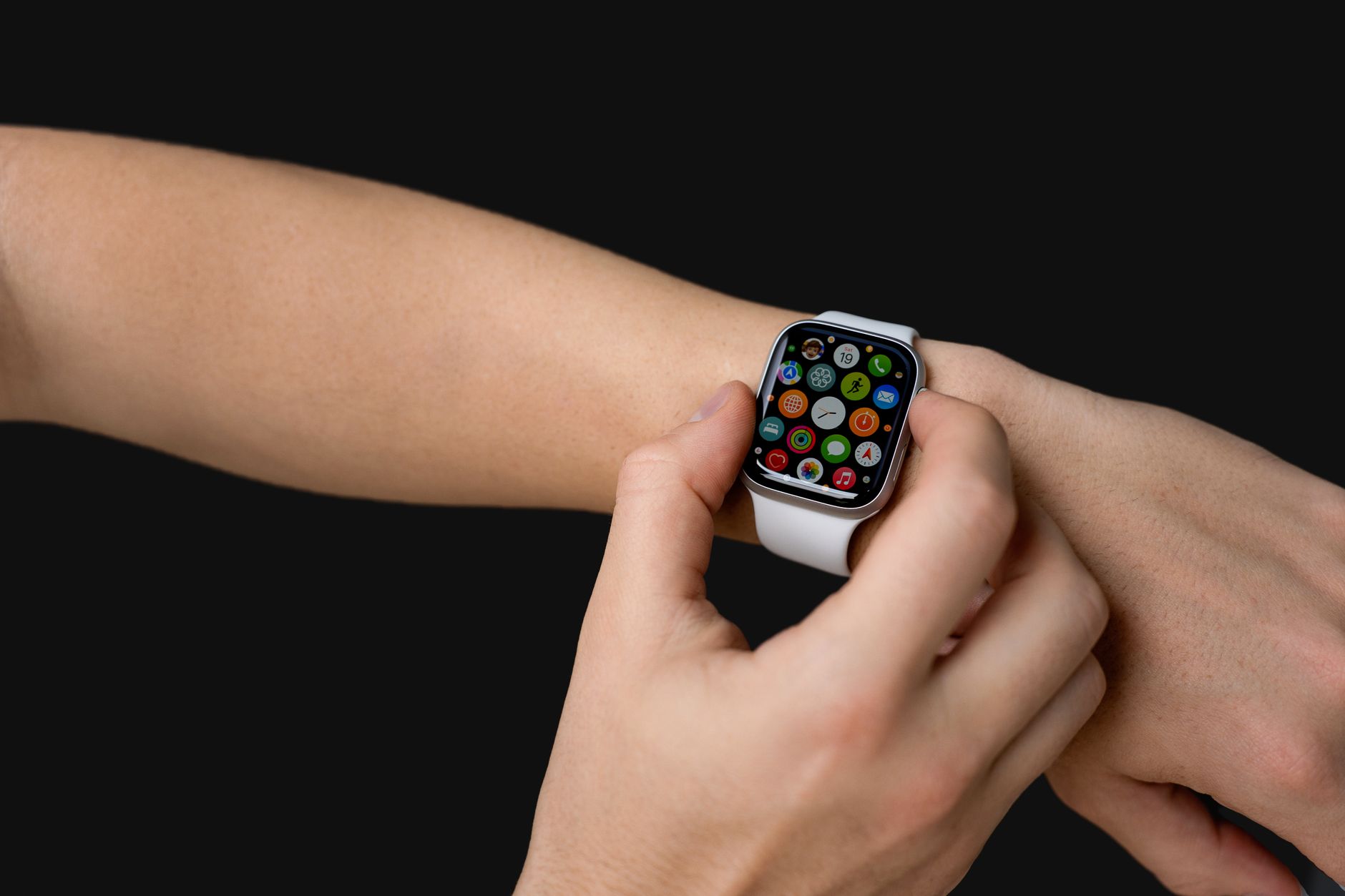
- AI wearable technology is a central topic in 2026 health tech discussions.
- These devices aim to integrate artificial intelligence into personal health tracking.
- Users should monitor device documentation for specific performance figures.
How do AI health wearables provide personalized health insights?
AI wearable technology refers to electronic devices designed to collect and analyze health data using artificial intelligence, according to the Google News series dated October 11, 2026. These tools provide functions that go beyond basic activity tracking. They attempt to process personal metrics to inform health decisions. You should review the specific documentation for any device you own to understand how it uses data, as features vary by manufacturer. This is the current status of the sector as of October 2026.
What is the role of AI data analysis in modern wearables?
The integration of AI into wearables is a priority for companies because of the demand for personalized health insights, according to the reporting from October 2026. Manufacturers want to provide more than raw numbers. They aim to offer interpretations of data patterns. This shift affects anyone who uses monitors for fitness or chronic condition management. You should watch for updates from device makers regarding how they protect your information. It is important to check the privacy policies of any company before you start sharing sensitive health data.
What are the top 2026 trends in AI-driven fitness tracking?
The long-term impact of AI-driven health analysis on patient outcomes is still being established, according to the context provided in the October 2026 news series. We do not yet have standardized data on how these tools influence clinical results. You should remain skeptical of claims that a device can diagnose medical conditions without a doctor. Keep an eye on future industry reports for clearer benchmarks. If you have concerns, consult a medical professional about the data your device collects.
- Artificial Intelligence series: AI wearable technology — Google News, Oct 11, 2026
Add NewsPulse Time as a preferred source on Google
Frequently asked questions
AI wearables use machine learning algorithms to process continuous biometric streams, such as heart rate variability and sleep patterns, to identify health trends and anomalies in real-time.
Modern AI health devices utilize encrypted data transmission and local processing to ensure that sensitive biometric information remains private and protected from unauthorized access.
By 2026, AI fitness tracking will move beyond simple step counting to offer predictive health coaching, injury prevention alerts, and personalized recovery recommendations based on individual physiological data.