AI Hardware Procurement Strategies for Managing Global Chip Shortages
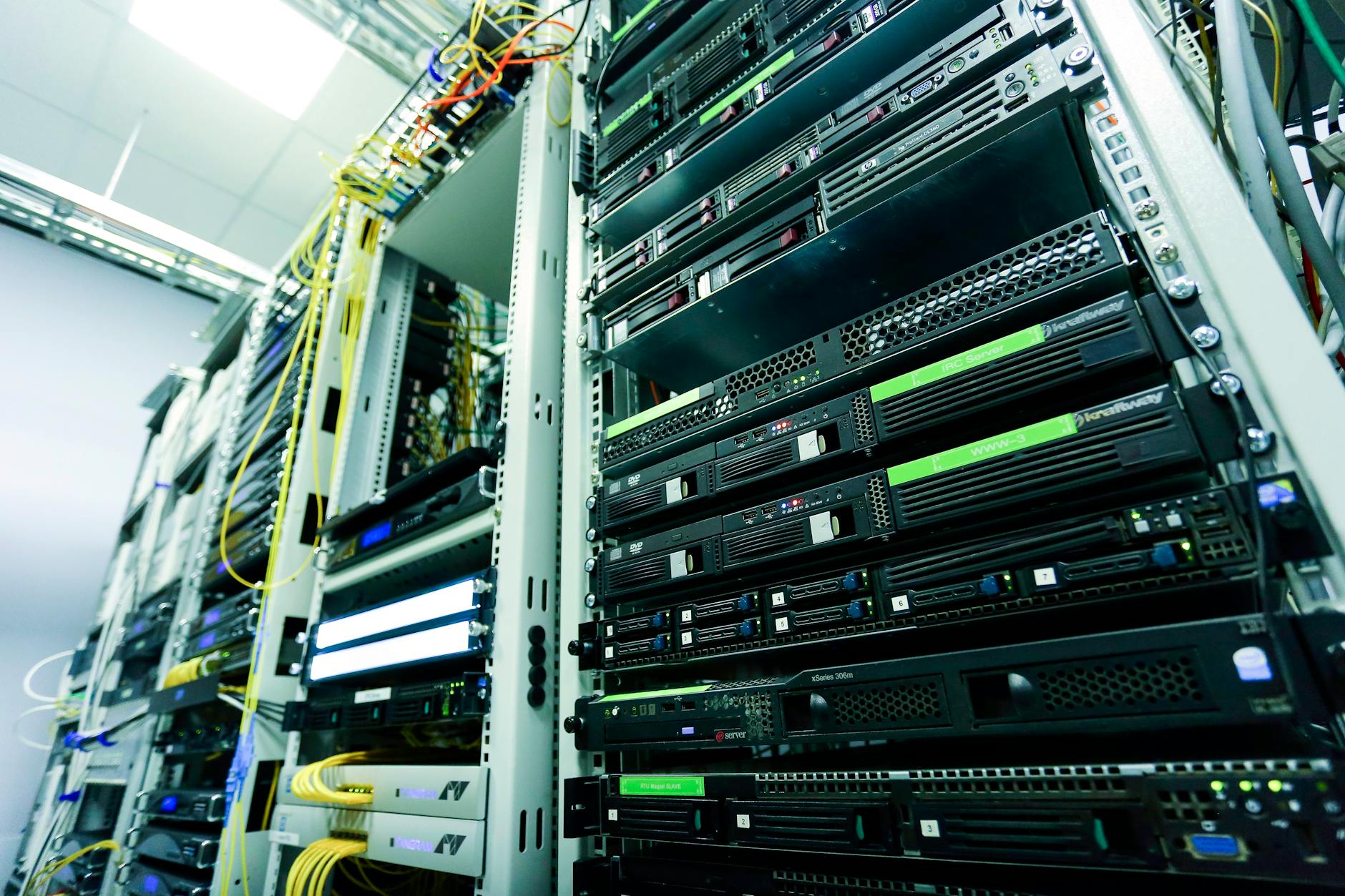
- The US chip trade deficit reached $90.5B as AI demand exceeds domestic production.
- Hardware selection is now driven by availability and energy efficiency over raw performance.
- Companies must pivot to cloud-based inference to bypass supply chain bottlenecks.
- Optimizing existing infrastructure is more cost-effective than chasing limited hardware allocations.
Effective Strategies for Managing AI Chip Shortages
The US chip trade deficit hit $90.5B because domestic manufacturing cannot keep up with the massive demand for AI processing power. This gap creates significant procurement hurdles for businesses trying to build or scale their internal systems. According to recent statistics, the reliance on imported semiconductors is at a high point. You cannot simply order your way out of this problem with bottomless budgets anymore. Instead, you need a strategy that prioritizes hardware longevity and operational efficiency. Choosing the right path requires understanding which trade-offs you are willing to accept. If you are building for the long term, efficiency is your primary metric. If you are building for speed, you will likely face significant supply delays.
Building Scalable AI Infrastructure for Long-Term Growth
Ranking these options relies on three specific criteria: availability, power efficiency, and scalability. We prioritize hardware that minimizes your reliance on the volatile import market. First, we look at energy-per-inference metrics, which dictate your ongoing costs. Second, we evaluate lead times, as the $90.5B deficit means many top-tier chips are backordered for months. Finally, we consider whether the hardware allows for modular upgrades. You don't want to be locked into a platform that requires a full rip-and-replace cycle when demand shifts. Our goal is to keep your systems running without waiting on shipments that may not arrive.
Balancing GPU Procurement with Power Efficiency Demands
1. High-Efficiency GPU Clusters: These suit large-scale training tasks. They offer superior throughput and standardized software support. The downside is the extremely long lead time for acquisition.
2. Cloud-Based Inference Instances: These suit teams needing immediate capacity without capital expenditure. They offer instant availability and zero maintenance overhead. The downside is the high long-term cost compared to owning hardware.
3. Specialized NPU Units: These suit dedicated inference tasks like computer vision. They provide high energy efficiency for specific workloads. The downside is limited flexibility if your model requirements change.
4. Legacy Infrastructure Optimization: This suits businesses with existing server racks. It maximizes your current assets without needing new chips. The downside is higher power consumption and heat output compared to newer designs.
| Hardware Strategy | Best For | Major Downside |
|---|---|---|
| GPU Clusters | Large-scale training | Long lead times |
| Cloud Instances | Immediate capacity | High recurring costs |
| Specialized NPUs | Dedicated inference | Limited versatility |
| Legacy Optimization | Maximizing existing assets | High power consumption |
- US Chip Trade Deficit Hits $90.5B in 2026 as AI Demand Outpaces Domestic Manufacturing - News and Statistics — Google News, Oct 10, 2026
Add NewsPulse Time as a preferred source on Google
Frequently asked questions
Companies can mitigate shortages by diversifying suppliers, leveraging cloud-based GPU instances to bridge gaps, and optimizing existing hardware through model pruning and quantization.
The deficit is driven by an unprecedented surge in demand for high-performance computing (HPC) chips, coupled with manufacturing bottlenecks and limited capacity for advanced semiconductor nodes.
High-performance GPUs consume significant electricity, increasing operational costs and thermal management requirements. Prioritizing power-efficient hardware reduces long-term total cost of ownership (TCO) and data center cooling constraints.
Related reading

FreeCast Named Best Streaming Technology Platform of 2026
Gelion Sulfur Battery Technology: Advancing High-Power EV Performance

The Evolution of Battery Technology and American Energy Innovation