AI in Breast Cancer Treatment: Predicting Surgery Avoidance
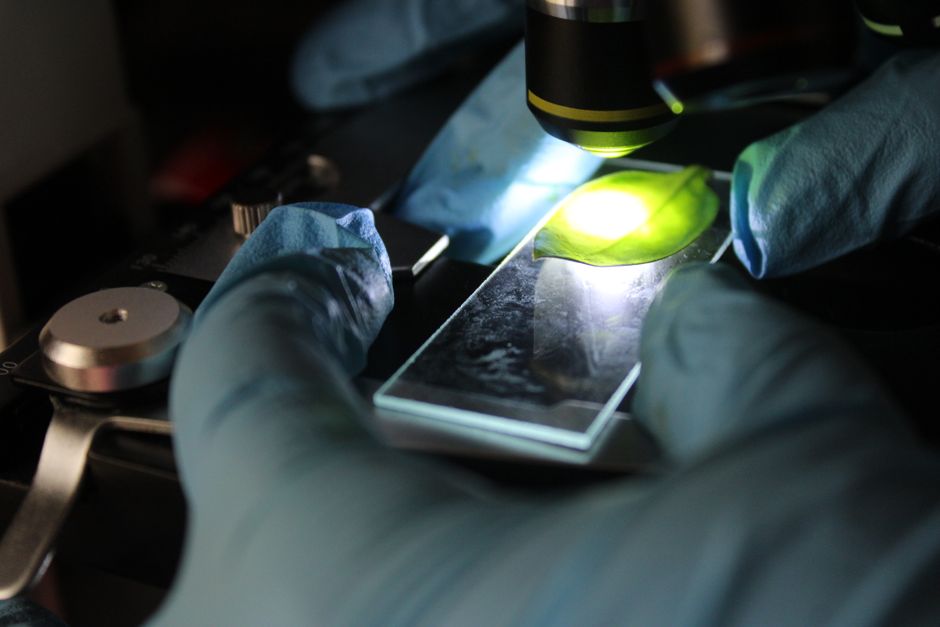
- AI analyzes high-resolution pathology slides to detect low-risk tumor patterns.
- The model provides a data-backed risk score to help doctors avoid unnecessary invasive procedures.
- Human oversight remains mandatory because AI can misinterpret ambiguous tissue images.
- The tool is currently best suited for early-stage cases where tumors are clearly defined.
How does AI help patients avoid breast cancer surgery?
An AI tool identifies breast cancer patients who can safely avoid surgery by predicting how their specific tumors will respond to alternative treatments. By analyzing high-resolution images of tissue samples, the software spots microscopic patterns often invisible to the human eye. Doctors use these insights to determine if a patient’s cancer is low-risk enough to skip invasive procedures entirely. This process replaces subjective guesswork with objective data, giving patients a much clearer path forward. If you have been diagnosed, this technology offers a way to avoid the physical toll of an operation. It is not a replacement for a surgeon, but it acts as a secondary set of eyes. So, it helps you and your care team make better, evidence-based decisions about your health.
What is the role of digital pathology AI in modern clinics?
The tool works by evaluating digital pathology slides. It looks for specific cellular structures that suggest whether a tumor will grow quickly or remain stagnant. Researchers trained the model on thousands of patient records to recognize markers associated with long-term survival. Think of it like a very advanced pattern-recognition machine. It compares your specific tissue sample against a massive database of similar cases. But, the tool does not operate in a vacuum. It provides a risk score that your oncologist then weighs against your medical history. And, it is not perfect. AI models can sometimes misinterpret blurry images, so human oversight is mandatory for every single case.
How accurate is AI for breast cancer tumor analysis?
Surgeries often carry risks like infection, long recovery times, and permanent scarring. For some patients, the cancer might be so slow-growing that the surgery does more harm than good. This AI model identifies those specific cases. By providing a clear assessment, it saves patients from unnecessary trauma. But, the technology is still being integrated into hospitals. You should ask your doctor if your local clinic uses automated pathology analysis yet.
How is AI shaping the future of personalized oncology?
No diagnostic tool is flawless. AI can struggle with rare cancer variants that are not well-represented in the training data. If the software lacks enough examples of a specific tumor subtype, its predictions become less reliable. So, doctors must treat the AI output as one piece of a larger puzzle. You should always seek a second opinion if you feel unsure about a treatment plan. Relying solely on software is dangerous.
Who is the ideal candidate for this assessment?
The model is primarily designed for early-stage breast cancer patients. It performs best when tumors are clearly defined and have not spread to surrounding lymph nodes. If your cancer is aggressive, the model is less likely to recommend skipping surgery. It is a tool for precision, not a universal shortcut. Talk to your medical team about whether your specific diagnostic results fit the criteria for this type of screening.
Frequently asked questions
No, AI does not replace surgeons. It acts as a diagnostic support tool that helps oncologists identify patients who may safely avoid surgery by providing highly accurate predictions on how specific tumors will respond to non-surgical therapies.
Digital pathology uses AI algorithms to analyze tissue samples at a cellular level. This provides more granular data than traditional manual review, allowing clinicians to make more informed decisions regarding personalized treatment plans.
Yes, AI-powered digital pathology tools are increasingly being integrated into clinical workflows to assist pathologists in tumor analysis, staging, and determining the most effective course of treatment.